
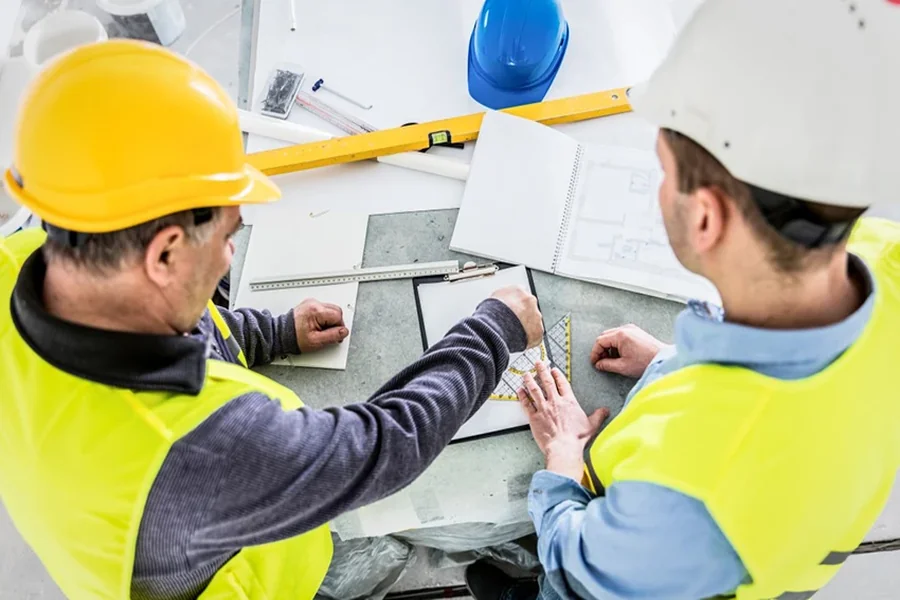
Building and renovation projects rank among the most stressful undertakings a property owner can take on. They involve significant sums of money, extended timelines, complex contracts, and a range of parties whose interests do not always align with those of the client. When disputes arise – and they do, with regularity – having access to specialist construction dispute lawyers changes the dynamics of what is possible and what it costs to get there.
Understanding the landscape of construction disputes – what typically causes them, what options are available for resolving them, and when legal advice should be sought – is useful knowledge for anyone involved in a building project, whether they are currently in dispute or hoping to avoid one.
What Drives Construction Disputes
Construction disputes arise from many sources. Defective workmanship is among the most common – work that falls short of the standard specified in the contract, the relevant Australian Standards, or the applicable building codes. These defects can range from cosmetic imperfections to structural failures, and the distinction matters enormously for both the remedy available and the urgency with which it needs to be addressed.
Disputes also frequently arise from cost disagreements – where the final price diverges substantially from the quoted price, often as a result of variations to the original scope of work that were not properly priced, documented, or agreed before the work was done. Delays are another persistent source of conflict, particularly where delays have caused the owner to incur costs or losses that they expected to be protected against under the contract.
In many cases, the original contract is at the root of the problem. Contracts that are too vague about scope, standards, payment terms, or dispute resolution mechanisms create fertile ground for disagreements that a well-drafted contract would have prevented or more easily resolved.
The Critical Role of Documentation
In any construction dispute, the strength of a party’s position depends heavily on their documentation. The original contract – signed by both parties, with all schedules and annexures – establishes the baseline for what was agreed. All subsequent communications, including emails, text messages, and letters, create a record of how the project evolved and what was agreed along the way.
Photographs taken at key stages of the build provide visual evidence of conditions that may be relevant to disputes about defects or the condition in which the property was handed over. Inspection reports from independent building consultants carry significant evidentiary weight. Records of payments made, withheld, or disputed establish the financial history of the relationship.
Parties who have kept thorough and organised records are in a substantially better position when disputes arise. Those who relied on verbal agreements, allowed variations to proceed without written confirmation, or failed to document problems when they first appeared typically find their position much harder to establish and defend.
Security of Payment: A Statutory Framework for Payment Disputes
In New South Wales, the Building and Construction Industry Security of Payment Act 1999 provides a relatively streamlined mechanism for resolving payment disputes in the construction industry. The legislation allows a party who is owed money for construction work or related goods and services to make a payment claim, and if the claim is not paid or properly disputed, to proceed to adjudication.
Adjudication under the Act is designed to be fast – a decision is typically reached within weeks rather than months – and provides interim relief pending any final resolution of the underlying dispute. It was designed primarily to protect contractors and subcontractors from principals who withhold payment, but the framework applies across the industry in various configurations.
Whether the Act applies in a particular situation, and how to use its provisions most effectively, is something a construction lawyer can advise on quickly based on the specific facts.
Mediation and Negotiated Resolution
Many construction disputes are resolved through negotiation or mediation, without the need for formal proceedings before a tribunal or court. Mediation involves a neutral third party facilitating discussions between the parties with the specific goal of reaching a mutually acceptable resolution. It is faster, considerably less expensive, and significantly less adversarial than litigation.
Having legal representation in a mediation does not make the process combative. It means the client arrives at the table with a clear understanding of their legal position, a realistic assessment of the likely outcomes if the matter were to proceed further, and the ability to evaluate any settlement proposal accurately before accepting or rejecting it. People who mediate without this understanding often agree to terms that do not adequately reflect what they are actually entitled to.
When Proceedings Cannot Be Avoided
Some disputes cannot be resolved through negotiation or mediation. In those situations, formal proceedings before the NSW Civil and Administrative Tribunal, the District Court, or the Supreme Court – depending on the nature and quantum of the claim – may be the only way to obtain a binding resolution.
Formal proceedings are time-consuming and expensive relative to other resolution methods, and they should genuinely be a last resort. But when the other party is acting in bad faith, when the sums involved are significant, when there are systemic defects requiring remediation, or when the other side simply refuses to engage, formal proceedings may be unavoidable.
Why Early Advice Matters
The single most consistent piece of advice from construction lawyers is that clients should seek advice earlier than they typically do. People tend to exhaust themselves in months of difficult back-and-forth with a builder before finally calling a lawyer – by which time positions have hardened, evidence has deteriorated, and some options that were available at the beginning are no longer available.
Early advice establishes what options exist, which of them are likely to be productive, what evidence needs to be gathered and preserved, and what time limits apply to any legal claims. That clarity, obtained before the dispute has fully escalated, is genuinely valuable. It does not guarantee an easy outcome, but it substantially improves the starting position.
Building disputes are stressful, time-consuming, and often expensive. But they are also navigable – with the right advice, the right evidence, and a clear-eyed view of what the realistic options are. Getting that advice early makes more of a difference than most people realise until they have been through the process.
This article provides general information only and is not a substitute for legal advice. Always seek professional advice tailored to your circumstances.
