
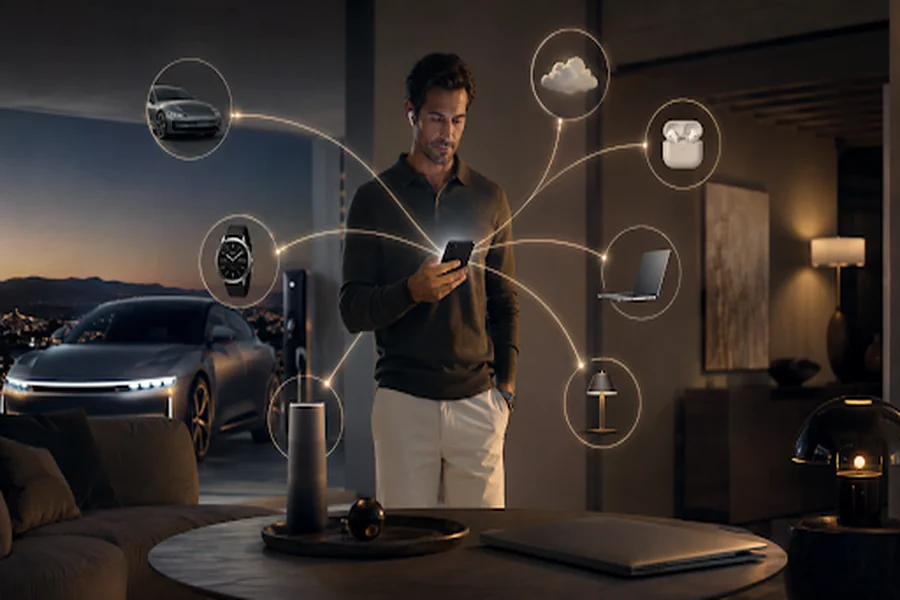
For decades, automotive prestige was easy to identify. Luxury was measured through horsepower figures, handcrafted interiors, premium materials and increasingly ambitious performance statistics. The vehicles that attracted attention were often the fastest, most powerful or most expensive on the road.
Today, however, a different type of status symbol is emerging. While performance and design remain important, many consumers are placing greater value on something less visible: seamless digital connectivity.
From smartphone integration and cloud-based services to personalised software experiences, modern motorists increasingly judge vehicles by how effortlessly they fit into everyday digital life. In many cases, convenience and connectivity have become more influential than traditional luxury features.
The Connected Lifestyle Expectation
The shift reflects broader changes in consumer behaviour. Smartphones have fundamentally altered expectations around technology. People are accustomed to devices that synchronise information instantly, learn preferences over time and provide access to services with minimal effort.
As a result, drivers increasingly expect the same experience from their vehicles.
A car is no longer viewed solely as a means of transportation. It has become another connected device within a wider personal ecosystem. Drivers want navigation systems that update in real time, voice assistants that understand natural language, and applications that allow them to manage vehicle functions remotely.
The most desirable vehicles are often those that remove friction from everyday tasks rather than those that simply offer the most impressive specifications.
Why Convenience Is Replacing Traditional Luxury
Historically, luxury features focused on comfort and exclusivity. Leather upholstery, premium sound systems and advanced suspension technologies signalled status because they were unavailable to most buyers.
Today, many of those features have become commonplace across multiple vehicle segments. Connectivity, however, remains an area where manufacturers can meaningfully differentiate themselves.
The ability to unlock a vehicle remotely, monitor charging status from a smartphone, receive software updates automatically or transition seamlessly between devices creates a level of convenience that consumers increasingly value.
For many drivers, saving time and reducing complexity delivers more day-to-day benefit than marginal increases in performance. A vehicle that integrates naturally into a connected lifestyle often feels more sophisticated than one focused purely on speed or power.
The Rise of Software-Defined Vehicles
The automotive industry is increasingly embracing the concept of the software-defined vehicle. Rather than remaining static after purchase, modern cars can evolve through over-the-air updates that introduce new features, improve existing systems and enhance user experiences.
This approach changes the relationship between driver and vehicle. Ownership becomes less about acquiring a finished product and more about participating in an evolving platform.
Manufacturers recognise that digital experiences now influence purchasing decisions. A vehicle’s operating system, interface design and ecosystem compatibility may carry as much weight as its engine output or acceleration figures.
As software becomes central to automotive development, the industry’s competitive landscape is changing accordingly.
The Influence of Electric Vehicles
The growth of electric vehicles has accelerated this trend. Many EV buyers are already comfortable with connected technologies and expect advanced digital capabilities as part of the ownership experience.
Charging management apps, route planning software and battery monitoring tools have become essential features rather than optional extras. In many cases, the quality of these digital services significantly shapes overall satisfaction with the vehicle.
This has encouraged manufacturers to invest heavily in user interfaces, connectivity platforms and cloud-based services that support drivers beyond the vehicle itself.
The result is a market where digital functionality is increasingly viewed as a core component of automotive value.
Identity in the Digital Age
Despite the growing importance of technology, personal expression remains a significant part of vehicle ownership. Drivers continue to customise vehicles in ways that reflect their personalities, interests and lifestyles.
What has changed is the range of tools available for self-expression. Digital customisation now sits alongside traditional modifications. Personalised user profiles, configurable displays and tailored software settings allow motorists to shape their driving experience in new ways.
Physical identity markers remain relevant as well. Businesses such as Plates Express have become part of the wider personalisation culture that surrounds modern vehicle ownership, reflecting the enduring desire for drivers to make their vehicles feel distinctive without fundamentally altering their functionality.
This combination of digital and physical personalisation highlights how vehicle identity is evolving rather than disappearing.
Connectivity as a Competitive Advantage
Automakers are increasingly aware that consumers compare digital experiences across industries, not just within the automotive sector. A driver accustomed to intuitive smartphones, streaming services and smart home technology expects similar levels of usability from a vehicle.
This places pressure on manufacturers to prioritise software development, ecosystem partnerships and long-term digital support.
The brands that succeed are often those capable of making complex technology feel invisible. The most effective connectivity features are not necessarily the most advanced; they are the ones that integrate smoothly into everyday routines.
In this sense, modern automotive luxury is becoming less about displaying technology and more about making technology effortless.
Conclusion
The definition of automotive prestige is changing. While performance, craftsmanship and design continue to matter, they no longer dominate consumer priorities in the way they once did.
Increasingly, drivers are seeking vehicles that fit seamlessly into connected lifestyles, synchronising with devices, adapting to personal preferences and simplifying everyday experiences. Convenience, integration and digital continuity are becoming powerful indicators of value.
As vehicles continue to evolve into connected platforms, the new status symbol is not necessarily found under the bonnet. It is found in the ability of a car to work intelligently in the background, making technology feel effortless while keeping drivers connected to the world around them.
