
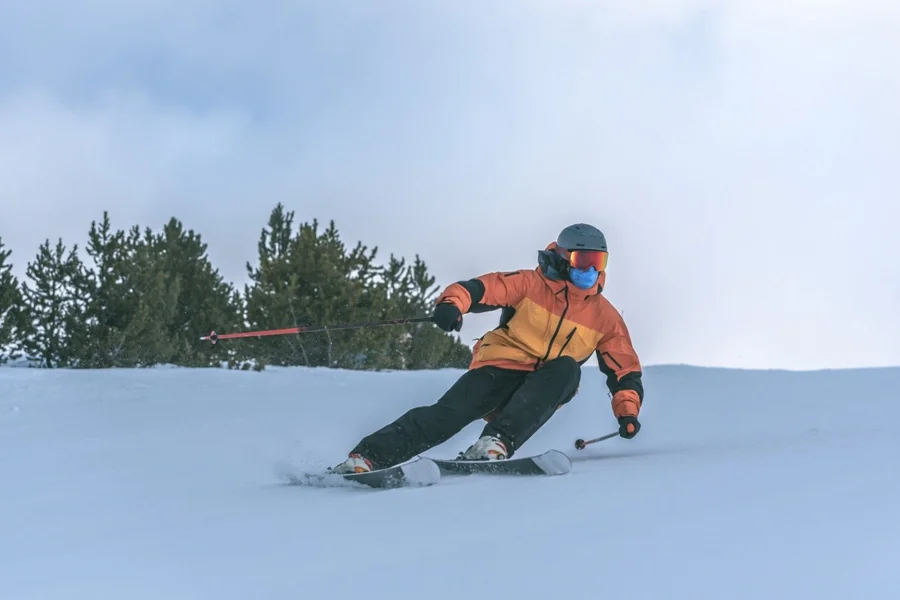
Skiing in Lech is one of those activities that will bring to light any habits you may have—and haven’t a clue you have. The slopes are wonderfully groomed, and the views are stunning, but all too many skiers will find themselves struggling with balance, with control, or simply with exhaustion well before they thought they’d need to worry about any of these things. Explore why such struggles don’t necessarily have to do with strength or nerve but with a matter of posture.
A little correction in stance, leaning, and shifting on skis makes all the difference when experiencing the slopes. Place this in a setting like Lech, where conditions can change over the day and where runs differ so much in character, and posture really becomes the silent factor that dictates whether or not skiing feels smooth or stressful.
Why posture matters more in Lech than most skiers expect
The slopes of Lech invite skiers of all classes but demand awareness. Easy cruisers enter into steeper slopes, light powder snow turns to packed snow, and visibility can change in a matter of a short time. Poor stance will make these transitions uncomfortable and intimidating. Good posture, however, gives you adaptability.
Many of the instructors at Skischule Lech know well how, when things aren’t quite happening right, people start blaming their skis, the snow, or the slope. In truth, with just a little tweak in stance, it usually would have been sorted out long before frustration even had a chance to set in.
Standing tall without leaning back
One of the most universal posture mistakes at ski resorts is undoubtedly leaning back, which happens when the skier feels nervous or reaches a certain speed. The backward leaning position feels safer, but it actually reduces control. When the weight slides aft, the skis can’t hold properly, and as an aftermath, it becomes difficult to make turns and stops less reliable.
Instead, stand tall with a very slight forward intent-not bending at the waist, but aligning your shoulders over your knees and your knees over your boots. This subtle alignment allows your skis to immediately begin responding to a change in terrain-a subtlety that particularly proves its worth on some of Lech’s longer runs.
During a Skikurs Lech, instructors often focus on this adjustment early because it instantly improves confidence without requiring more effort.
Relaxing the upper body for better balance
Tension travels quickly on skis. When a skier has tight shoulders and stiff arms, he/she has a reduced ability to absorb changes in terrain, resulting in jerky movements, causing early fatigue. Unknown to many skiers is how much energy is lost due to excessive tension.
Relaxing your arms and putting them slightly out in front will allow your upper body to support itself as you utilize your legs to do most of the work. Remember, your arms help with balance, not with controlling. This relaxed posture becomes especially noticeable during longer days on the mountain, where energy conservation matters just as much as technique.
Let the ankles do the work
Modern-day ski boots are intended to work in conjunction with the skier’s ankle, but ski boots tend to lock the ankle without the skier’s awareness. When an ankle is locked up, even small bumps appear to be larger than they are, which does not allow the ski to maintain smooth contact with the snow.
Flex your ankles freely and allow them to provide support for the skis and maintain them on the ground. This is a small adjustment that is very effective. For many skiers, this is one of those “aha” moments that people have when being shown the way by someone who has a deep understanding of the way the slopes of Lech respond to changing weather conditions at different times of day.
Centering weight instead of forcing turns
Another posture-related challenge is over-rotating the upper body to force turns. This usually happens when the skiers feel out of control or hurry in making a movement. Instead of twisting, keep your chest slightly downhill, and let the work in the legs be done with the skis.
This centered posture improves flow and reduces strain on the lower back and knees. It also makes skiing feel more rhythmic, especially on wide alpine runs where smooth turns create confidence rather than speed.
At Skischule Tannberg Lech – Exclusive Mountain Guiding Arlberg, instructors often help skiers recognize these habits because correcting them transforms how the mountain feels beneath their skis.
The role of head position and vision
How you look influences how you ski. The challenge with looking directly down at your skis is how it forces skiers into a hunched-over or awkward position due to pushing their upper bodies down and out of balance. Lifting your gaze and looking ahead encourages naturally an upright, centered posture.
In addition, in Lech where the scenery, as well as visibility of slope, is part of the experience, keeping the head up also improves anticipation. You respond earlier to terrain changes instead of reacting late, which reduces tension and increases enjoyment.
Why professional guidance accelerates posture correction
Posture habits are difficult to identify on your own. What feels “normal” may actually be limiting your progress. This is where structured instruction makes a noticeable difference. A Skikurs Lech doesn’t just teach techniques; it helps skiers become aware of their own movement patterns.
Local instructors know how the snow, slopes, and weather of Lech interact. These experts have the ability to provide suggestions for posture that are beneficial in real-life situations, rather than from the context of text books. The majority of skiers are often astonished by how a few small adjustments can create a huge impact on their skiing.
Ski more with less effort and a lot more confidence
Having an optimal posture while skiing allows for less fatigue, superior control and increased confidence without requiring either additional physical strength or increased risk. Maintaining an optimal skiing posture allows for a prolonged time outdoors and quicker reaction times when changing terrain/conditions.
When your posture and the terrain are in synchronization and no longer opposing one another, skiing becomes a joy and less about overcoming fear and more about enjoying movement. That is when Lech shows exactly why it is such a special place for international ski enthusiasts.
Expert mountain guides who understand these nuances can help refine one’s skiing in a supportive and professional environment for those wanting to do so. It’s the difference between merely skiing Lech and really experiencing the area.
