
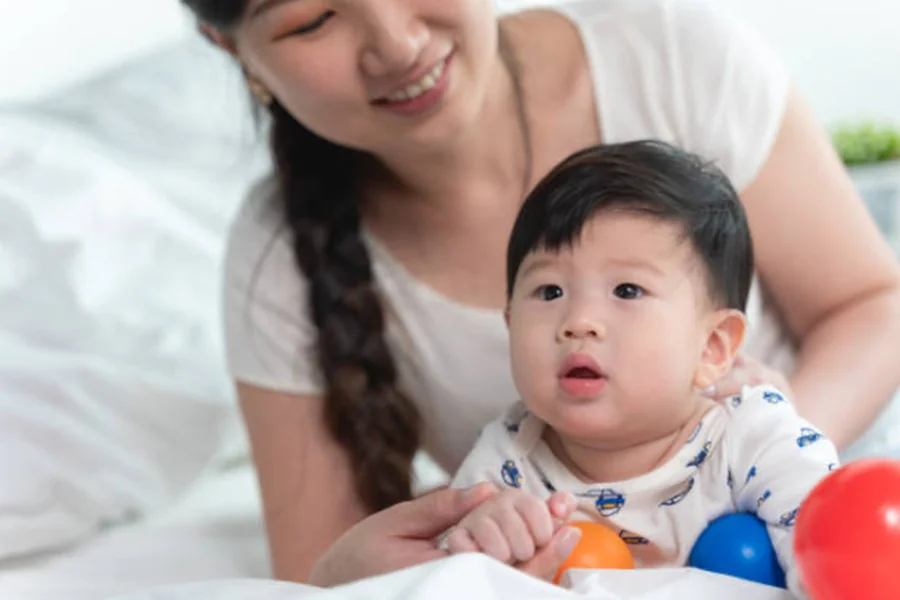
Healthy sleep supports an infant’s physical growth, brain development, and immune strength. Well-rested babies tend to be more content, responsive, and easier to soothe, which helps caregivers enjoy smoother days and more predictable routines. Good sleep patterns contribute to steady behavioral and emotional development, giving infants the comfort and stability they need during their earliest months.
Introduction of the topic: Benefits of babies sleeping in their own room
Parents and caregivers often discuss where infants should sleep during their first year. Many families choose to share a room, believing it provides convenience and closeness during nighttime feedings and early comfort needs. Others prefer giving their baby a separate room to encourage independence and steady sleep habits. Many also wonder, do babies sleep better in their own room as they grow and develop? The question of which arrangement leads to better rest remains a common one, and growing research suggests that a dedicated space can support stronger self-soothing skills and more consistent overnight sleep. By exploring various aspects of infant rest, family comfort, and nighttime routines, we can gain a deeper understanding of how an individual’s sleeping area may impact a baby’s overall sleep quality.
Understanding Baby Sleep Patterns
Explanation of typical sleep patterns in babies
Infants usually display unpredictable sleep rhythms, especially during the first few months. A newborn may sleep for long hours throughout the day and night, waking only for feeding and comfort. By around six months, many babies begin forming longer stretches of nighttime sleep and fewer daytime naps, though every child’s rhythm develops uniquely.
Discussion on how the development stage affects baby sleep
Growth brings many milestones—rolling over, sitting, crawling, and increasing awareness of surroundings. These changes often influence sleep length and quality. Babies might wake more often during phases of rapid learning or need extra comfort when adapting to new physical abilities. As they become more aware, they gradually move toward more stable sleep cycles.
The Debate: Sharing Room vs Separate Room for Babies
Presentation of arguments for and against room-sharing with babies
Sharing a room offers proximity, easier breastfeeding or bottle-feeding at night, and reassurance for both baby and parent. At the same time, it can lead to frequent disturbances caused by movements, feeding sounds, or differing sleep cycles. Parents may wake with every noise, and babies may become more dependent on the constant presence to fall back asleep.
Explanation of why moving a baby to their own room can be beneficial for their sleep
A separate room often creates a calmer atmosphere, with fewer sensory triggers. Less movement, fewer sounds, and a dedicated sleeping environment can encourage longer stretches of uninterrupted rest. Many babies gradually learn to soothe themselves without being stimulated by nearby activity. Parents, in turn, may feel more relaxed during the night, contributing to a better rest pattern for the entire household.
Benefits of Having Your Baby Sleep in Their Own Room
A personal sleeping area promotes a predictable bedtime rhythm and helps infants recognize the space as a place for rest rather than play. It encourages consistent settling habits, allowing babies to fall asleep more easily and stay asleep longer once their routine forms. Many families also find that a dedicated room reduces nighttime overstimulation caused by adult movements or noises. This arrangement supports independence at an age-appropriate pace, creating a calmer environment for long-term sleep stability.
Practical Tips on Transitioning Baby to Their Own Room
Best age to transition a baby to their own room
Many families consider moving their baby between six months and one year, when sleep cycles become steadier and nighttime feeding needs often decrease. This timeframe is flexible, and parents may choose earlier or later depending on their comfort and the baby’s readiness.
How to create a safe and comfortable environment for a baby
A peaceful room begins with a thoughtful setup. Keep the sleep space free from clutter, loose objects, and unnecessary decor. Use a firm mattress, maintain a steady room temperature, and choose lighting that supports a quiet atmosphere. Organizing baby essentials in accessible spots helps keep the area calm and orderly.
Tips for a smooth transition
Consistency plays a large part in changing sleep spaces. Begin with short naps in the new room, gradually extending nighttime hours there. Keep the bedtime routine familiar—same songs, same soothing actions—to help the baby recognize cues. Progress may require patience, so maintaining a gentle approach makes the process smoother for everyone involved.
Ensuring Proper Monitoring in Separate Rooms
Importance of baby monitors and how to choose one
Baby monitors provide reassurance when infants sleep away from their parents’ bedside. Options range from simple audio units to high-resolution video models with features like night vision and motion alerts. Families should look for devices that match their home layout, comfort preferences, and monitoring needs.
Methods to regularly check on the baby while maintaining the separate sleeping arrangements
Parents may rely on video or audio monitors, scheduled check-ins, or quiet visits to the baby’s room. Establishing a predictable sleep schedule helps caregivers anticipate when the baby is resting deeply or likely to stir, creating a balance between supervision and undisturbed rest.
Conclusion
Giving a baby their own room often leads to steadier nighttime rest, fewer disturbances, and a calmer atmosphere for everyone in the home. A personal space encourages predictable routines and allows infants to grow more comfortable with age-appropriate independence, helping them form healthier long-term sleep habits.
Families who create a peaceful, well-prepared room and follow a gentle transition plan usually find the shift manageable. With thoughtful preparation and consistent routines, babies adapt smoothly to their own sleeping space, allowing both them and their caregivers to enjoy better rest and more peaceful nights.
