
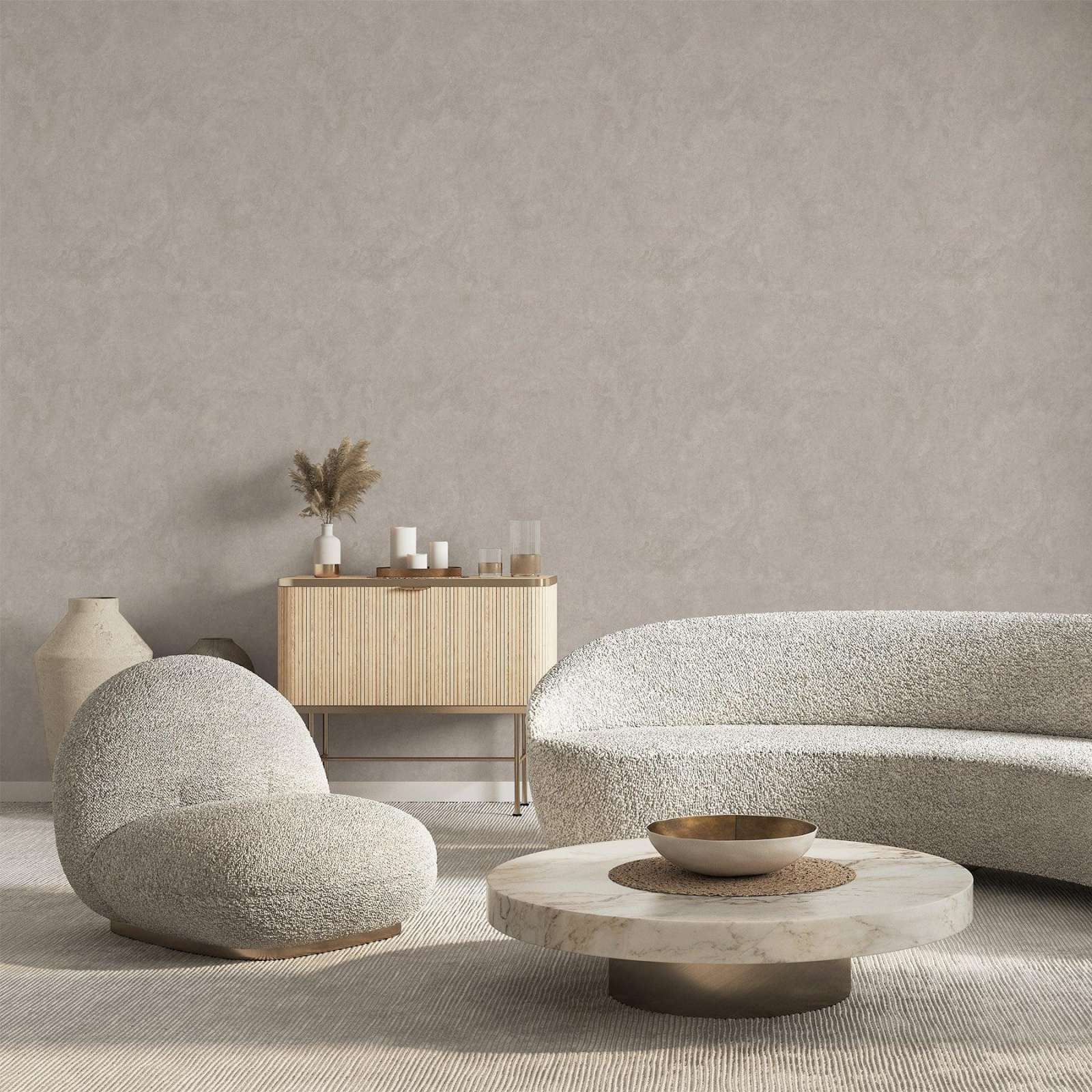
For years, cool whites and pale grays dominated contemporary interiors. Today, the direction is shifting toward warmer, softer neutrals that make rooms feel sophisticated without sacrificing the clean aesthetic of modern design. Cream, sand, taupe, oatmeal, and warm beige are increasingly being used as foundational colors rather than simple backgrounds. A carefully selected beige wallpaper can bring this palette to the walls while adding subtle surface character that flat color alone may not provide.
The appeal of beige is not about returning to safe or conventional interiors. Modern neutral design relies on layering tones, materials, and textures to create spaces that feel refined rather than empty.
Why Warm Neutrals Feel Modern Again
Minimalist interiors are evolving.
Instead of stark white rooms with sharp contrasts, many contemporary spaces now use warmer colors to create a softer atmosphere. Beige fits naturally into this approach because it provides neutrality without the coolness of pure white or certain shades of gray.
The range within the beige family is also much broader than it initially appears. Some shades lean toward cream, while others contain gray, brown, or subtle earthy undertones. This makes beige adaptable to different lighting conditions, furniture styles, and materials.
The result can be highly contemporary, particularly when the palette is kept restrained and the emphasis is placed on material quality.
Plain Does Not Have to Mean Flat
One of the strengths of plain wallpaper is that visual interest does not have to come from a prominent print.
Surface texture can play that role instead.
Subtle linear details, textile-inspired finishes, crosshatch effects, and other understated textures can change the way a solid color interacts with light. From a distance, the wall may appear calm and monochromatic. Closer inspection reveals more depth and detail.
This is particularly effective in premium interiors, where materials often communicate quality through subtle characteristics rather than bold decoration.
A textured beige wall can therefore become part of the architecture of the room rather than functioning as a decorative pattern.
Layer Several Neutral Tones
A sophisticated beige interior rarely relies on one identical shade throughout the entire room.
Layering is what creates depth.
For example, warm beige walls can be combined with an ivory sofa, oatmeal curtains, a slightly darker taupe rug, and natural wood furniture. Each element remains neutral, but differences in tone prevent the room from appearing monotonous.
The same principle applies to materials.
Linen, wool, leather, wood, stone, ceramics, and textured wall surfaces all reflect light differently. Combining them creates visual variation even when the overall color palette is intentionally limited.
This approach is often associated with understated luxury because the emphasis shifts away from excessive decoration and toward proportion, texture, and material selection.
Pair Beige With Natural Materials
Warm neutral walls provide an ideal background for natural materials.
Light oak can create an airy Scandinavian-influenced interior, while walnut or darker wood adds stronger contrast and a more formal character.
Stone also works particularly well with beige. Travertine, limestone, marble, and stone-inspired surfaces share many of the warm undertones found in contemporary neutral palettes.
Metal finishes can change the mood further. Brass and bronze reinforce warmth, while black metal creates sharper architectural contrast.
Because beige itself is restrained, these materials have space to stand out without competing with a complex wall pattern.
Use Lighting to Reveal Texture
Lighting has a major influence on neutral interiors.
A plain beige surface can look very different throughout the day depending on the direction and intensity of natural light. Subtle wallpaper texture can make these changes even more noticeable.
Side lighting may emphasize fine surface details, while softer evening lighting can make warm beige tones appear richer.
This is one reason it is important to consider wall finishes alongside the lighting plan rather than treating them as separate decisions.
In bedrooms and living rooms, warm layered lighting can reinforce the softness of the palette. In contemporary dining rooms or offices, more directional lighting can highlight the texture and architectural elements of the space.
Beige Works Beyond Minimalism
Although beige is frequently associated with minimalist interiors, it is not limited to one design style.
In modern interiors, it provides a clean foundation for sculptural furniture and statement lighting. In classic spaces, warmer beige shades can complement decorative molding, dark wood, and traditional furniture.
For organic modern or Japandi-inspired rooms, beige works naturally with wood, stone, linen, and simple forms.
It can even support more dramatic interiors. Black furniture, dark brown wood, oversized artwork, or bold architectural lighting can stand out particularly well against a restrained beige background.
The color adapts because it does not demand attention for itself.
Choose Undertones Carefully
The difference between a successful neutral palette and one that feels disconnected often comes down to undertones.
A warm beige wall may clash with flooring that has a distinctly cool gray undertone. Likewise, a gray-beige shade may look different when placed beside strongly yellow wood.
Before selecting a wall finish, consider the permanent elements already present in the room: flooring, cabinetry, countertops, large furniture, and stone surfaces.
The goal is not necessarily to match them exactly. Instead, their undertones should feel compatible.
Natural and artificial lighting should also be considered because both can shift how a neutral shade appears.
A Refined Alternative to Pattern-Heavy Walls
Bold patterns have an important place in interior design, but not every room needs a statement wall.
In spaces where furniture, architecture, artwork, or materials should take visual priority, plain wallpaper can provide a more restrained foundation. The wall still contributes through color and texture without competing for attention.
This is particularly valuable in premium interiors, where simplicity is often a deliberate design decision.
As warm neutrals continue to influence modern interiors, beige demonstrates that understated does not have to mean ordinary. Nuanced shades, subtle textures, thoughtful lighting, and layered materials can transform a simple neutral wall into an integral part of the overall design.
