
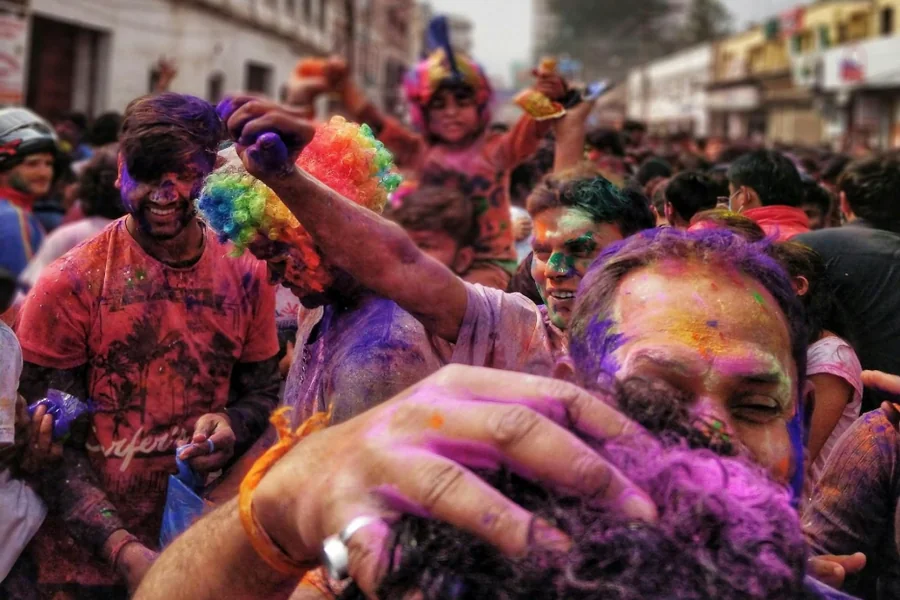
India is globally famous for its grand celebrations like Diwali and Holi, but beyond these internationally recognised festivals lies a vibrant world of lesser-known cultural spectacles that are just as breathtaking—if not more. From remote Himalayan villages to coastal towns in the south, India’s hidden festivals showcase traditions, colours, music, costumes, and rituals that rarely make it into mainstream travel guides.
If you’re planning tailor made holidays to India, discovering these unique and colourful festivals can transform your trip into something deeply immersive and unforgettable. They offer a chance to witness authentic local culture, far away from large tourist crowds, and experience India in its most raw and celebratory form.
In this article, we explore some of the most colourful festivals in India you’ve probably never heard of—but absolutely should.
Chapchar Kut – Mizoram’s Springtime Explosion of Colour
In the scenic hills of Mizoram, Chapchar Kut marks the arrival of spring and celebrates the completion of jhum cultivation (shifting agriculture). Unlike the more widely known harvest festivals of India, this celebration remains largely regional—yet it is a visual masterpiece.
Women dressed in intricately woven traditional attire perform the Cheraw bamboo dance, where dancers gracefully step in and out of moving bamboo poles. The bright patterns of Mizo costumes—reds, blacks, yellows, and whites—create a striking contrast against the lush green hills.
The atmosphere is joyful, rhythmic, and full of pride. Music, local delicacies, and folk performances fill the air, making Chapchar Kut one of the most vibrant cultural experiences in Northeast India.
Bhagoria Festival – Madhya Pradesh’s Tribal Carnival
Held in the tribal districts of Madhya Pradesh, the Bhagoria Festival is an explosion of colour, music, and youthful energy. Organised by the Bhil and Bhilala tribes before Holi, this festival functions as both a marketplace and a traditional matchmaking event.
Villages come alive with people dressed in bright turbans, heavy silver jewellery, and colourful ghagras. Drums echo through the fields as young men and women dance energetically. Stalls are decorated with gulal (coloured powder), sweets, and handcrafted goods.
What makes Bhagoria unique is its blend of celebration and social tradition. Historically, couples could choose each other during the festival and elope with family consent. Today, while modern influences have shaped it, the festival still retains its vibrant tribal identity.
Theyyam – Kerala’s Living Art of Fire and Faith
In the northern parts of Kerala, the ritual performance known as Theyyam transforms ordinary men into living deities. This centuries-old tradition is a powerful fusion of dance, theatre, devotion, and colour.
Performers wear towering headgear, elaborate face paint, and layered costumes in fiery shades of red, orange, and gold. The intricate designs painted on their faces resemble moving pieces of sacred art. As drums beat intensely, performers enter a trance-like state, believed to be possessed by the deity they represent.
Theyyam is not just visually stunning; it is deeply spiritual. Villagers gather to seek blessings, guidance, and healing. Watching Theyyam up close is an overwhelming sensory experience—one filled with fire, incense, chanting, and astonishing artistry.
Ziro Festival of Music – Arunachal Pradesh’s Cultural Fusion
Tucked away in the Ziro Valley of Arunachal Pradesh, this festival blends modern music with indigenous culture. While not ancient in origin, it has quickly become one of the most visually dynamic gatherings in Northeast India.
Surrounded by rolling hills and paddy fields, the Ziro Festival of Music features vibrant tribal attire alongside contemporary fashion. The Apatani tribe’s traditional nose plugs, handmade jewellery, and woven garments add striking authenticity to the setting.
The colourful festival grounds, bamboo stages, and natural backdrops create a surreal atmosphere. It’s a celebration of creativity, diversity, and artistic freedom in one of India’s most remote regions.
Hemis Festival – Ladakh’s Masked Spectacle
High in the Himalayan desert of Ladakh, the Hemis Festival honours Guru Padmasambhava, the founder of Tibetan Buddhism. Held at the Hemis Monastery, this celebration is a visual feast of colour and movement.
Monks perform sacred masked dances known as Cham, wearing elaborate silk costumes in brilliant shades of yellow, blue, red, and green. The masks depict mythological beings, protective deities, and spiritual symbols.
Against the stark mountain landscape, the bright costumes appear even more dramatic. The rhythmic drumbeats, chanting, and swirling robes create an atmosphere that feels both mystical and theatrical.
Banni Festival – Karnataka’s Fiery Tradition
The Banni Festival, held in the town of Devaragattu in Karnataka, is one of the most intense and colourful celebrations you’ll ever witness. Dedicated to Lord Mala Madeshwara, this festival involves a dramatic midnight ritual battle.
Participants dressed in traditional dhotis and turbans gather with sticks, engaging in symbolic combat to recreate a mythological battle. Torches illuminate the night, and the scene becomes a blur of movement, dust, and firelight.
Though chaotic in appearance, the ritual follows a long-standing tradition rooted in faith. The combination of fire, traditional dress, and high-energy participation makes it visually unforgettable.
Phool Dei – Uttarakhand’s Floral Welcome to Spring
Phool Dei is a charming spring festival celebrated in Uttarakhand’s villages. Unlike grand processions or dramatic rituals, this festival stands out for its simplicity and beauty.
Young girls decorate village doorsteps with colourful flowers, rice, and turmeric. They sing traditional songs and bless households with prosperity. The sight of vibrant petals scattered across stone thresholds in the Himalayan foothills creates a soft yet powerful image of renewal.
It’s a reminder that colour in India’s festivals isn’t always loud—it can also be delicate, meaningful, and deeply symbolic.
Kavant Fair – Gujarat’s Tribal Gathering
The Kavant Fair, celebrated by the Rathwa tribe in Gujarat, is an explosion of tribal colour and music. Held around Holi, the fair brings together communities from neighbouring villages in a grand cultural display.
Men wear bright red turbans and carry decorated bows and arrows, while women adorn themselves in colourful embroidered outfits and heavy silver ornaments. Traditional drums and wind instruments fill the air as groups perform energetic dances.
The festival is less commercialised than many others in Gujarat, preserving its authentic tribal spirit. The sheer vibrancy of costumes and collective celebration makes it one of India’s hidden cultural gems.
Madai Festival – Chhattisgarh’s Travelling Carnival
The Madai Festival moves from village to village in Chhattisgarh, celebrating local deities with music, dance, and processions. Each location adds its own flavour, making the festival dynamic and ever-changing.
Devotees carry beautifully decorated idols through the streets, accompanied by folk dancers wearing colourful costumes adorned with beads, feathers, and traditional patterns. The rhythm of drums creates a hypnotic atmosphere that lasts late into the night.
What makes Madai special is its grassroots authenticity. It’s a true community festival—raw, spirited, and rich in tribal heritage.
Losar – The Colourful Tibetan New Year in India
Celebrated in regions like Sikkim, Ladakh, and parts of Himachal Pradesh, Losar marks the Tibetan New Year. Homes are decorated with prayer flags in bright primary colours symbolising elements of nature.
Monasteries host masked dances, and families prepare traditional dishes. The streets fill with vibrant attire, incense smoke, and festive gatherings. Despite its deep spiritual roots, Losar radiates joy and optimism.
The combination of snow-capped mountains, fluttering prayer flags, and richly coloured garments creates a stunning visual contrast that stays with you long after the celebrations end.
Why These Hidden Festivals Matter
While India’s major festivals attract global attention, these lesser-known celebrations offer something different—authentic cultural immersion. They are not staged for tourists; they are lived traditions passed down through generations.
Attending these festivals allows travellers to witness India beyond postcard images. You see the diversity of tribal communities, regional customs, languages, and spiritual expressions. Each celebration tells a story of identity, resilience, and community pride.
Moreover, visiting these festivals supports local economies and helps preserve traditions that might otherwise fade away.
How to Experience These Festivals Responsibly
If you plan to attend any of these events, remember that you are stepping into sacred and culturally significant spaces. Dress modestly, respect photography guidelines, and engage with local communities thoughtfully.
Travelling during festival periods requires planning, as accommodation in remote areas can fill quickly. However, the effort is worth it. These celebrations are often once-in-a-lifetime experiences that offer unforgettable memories.
Conclusion: Discover India Beyond the Obvious
India is not just a country—it’s a living canvas of traditions, rituals, and celebrations bursting with colour. While festivals like Holi and Diwali dominate global headlines, the real magic often lies in the lesser-known gatherings hidden in villages, valleys, deserts, and mountains.
From the masked dancers of Hemis to the floral blessings of Phool Dei, these festivals reveal a side of India that many travellers never see. They showcase the depth, diversity, and artistic brilliance woven into everyday life across the subcontinent.
If you truly want to experience India in its most vibrant form, step off the beaten path. Seek out these hidden celebrations. Immerse yourself in their colours, music, and stories. Because sometimes, the most extraordinary experiences are the ones you’ve never heard of.
