
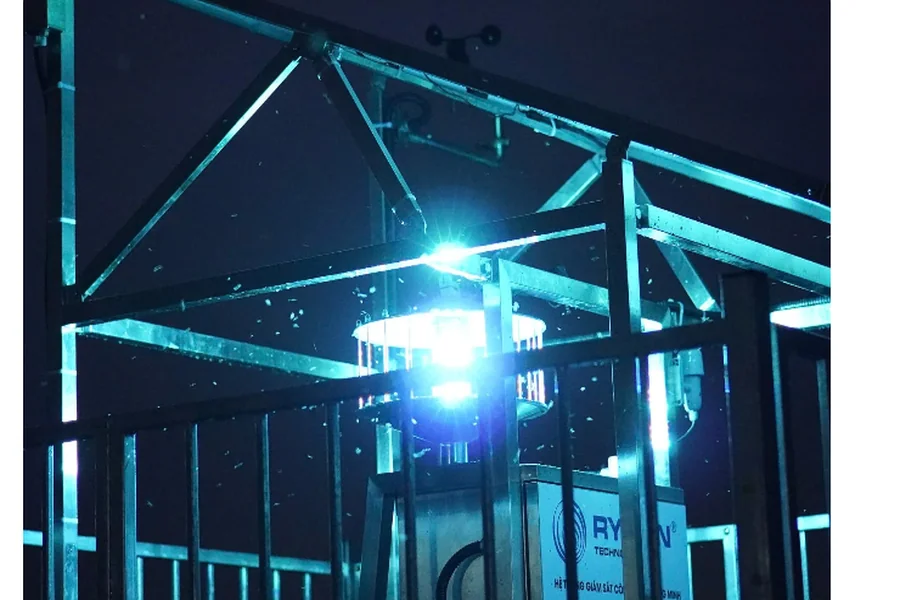
Pests are a persistent problem across agriculture, residential spaces, and industrial facilities. They damage crops, weaken structures, contaminate food, and create health risks. These issues lead to financial losses, reduced productivity, and ongoing maintenance challenges. Because infestations often develop unnoticed, effective monitoring is essential for identifying problems early and taking timely action.
Importance of Effective Pest Monitoring Systems
Pest monitoring systems play a critical role in preventing widespread damage. They help detect pests before populations grow large enough to cause severe harm. Early detection reduces the need for heavy pesticide use, supports healthier crops, lowers operational costs, and contributes to long-term sustainability. Modern monitoring tools provide continuous insight into pest activity, enabling more precise and efficient management strategies compared to traditional methods.
Understanding Pest Monitoring Systems
A pest monitoring system consists of tools and technologies designed to detect, track, and analyze pest populations. These systems collect information about pest presence, movement patterns, and activity levels. By providing real-time data, they allow users to respond promptly to emerging problems.
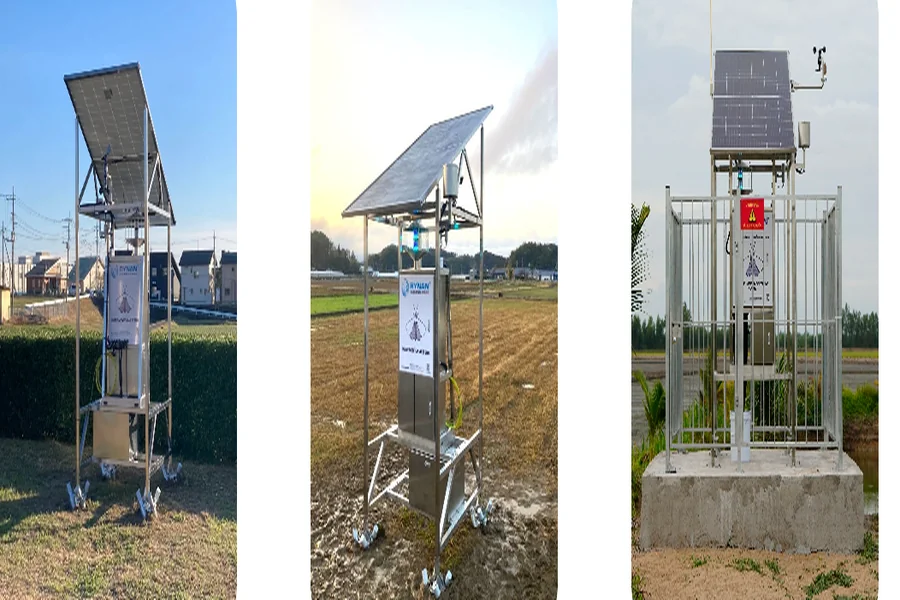
These systems typically operate through a combination of sensors, tracking devices, traps, and digital reporting platforms. Technology allows them to capture data continuously, analyze it, and deliver insights that support timely interventions. This structured approach makes pest control more proactive rather than reactive.
The Shift from Traditional Pest Control Strategies
Traditional pest control relies heavily on chemical treatments, physical traps, and cultural practices such as sanitation and crop rotation. While these methods remain useful, they have limitations. They are often applied after pests have already caused damage and may require repeated treatments. Over time, pests can also develop resistance to certain chemicals.
By contrast, modern monitoring systems transform pest management by emphasizing prevention. Instead of waiting for visible signs of infestation, farmers and property managers can track early activity and respond before pests become established. This reduces chemical use, lowers environmental impact, and supports more efficient pest control.
Core Components of Effective Pest Monitoring Systems
Sensors and detectors: These devices identify changes in environmental conditions and detect pest activity. They are used widely in agriculture, food storage facilities, and industrial buildings.
Surveillance tools: Cameras and automated monitoring systems capture visual evidence of pests. Surveillance is helpful in areas where pests are difficult to observe manually.
Activity trackers: These tools monitor pest movement and population trends. Activity data helps determine the severity of infestations and guides decision-making.
Data analysis and reporting systems: Collected data is processed and translated into actionable insights. Reporting platforms often include alerts, graphs, and historical comparisons to help users understand patterns.
Impact of Technology on Modern Pest Monitoring
Technological advances have significantly improved pest monitoring systems. Artificial intelligence enhances pest detection by analyzing images and identifying pests more quickly than manual inspection. AI can also classify species and predict likely infestation sites.
The Internet of Things allows devices to connect and share data in real time. This is especially beneficial in large agricultural settings where continuous monitoring is necessary. IoT-connected trapping systems and sensors send alerts directly to mobile devices or management dashboards.
Data analytics tools help users assess trends and implement more targeted control measures. By analyzing long-term data, users can predict seasonal pest activity, schedule preventive treatment, and allocate resources more effectively.
Benefits of Utilizing Effective Pest Monitoring Systems
Using an advanced monitoring system offers several advantages:
- Reduced pest-related damage: Timely detection prevents pests from causing major losses.
- Lower operational costs: Early intervention reduces the need for extensive treatments.
- Targeted pest control: Accurate location tracking allows for precise treatment rather than broad pesticide application.
- Predictive strategies: Historical and real-time data help anticipate future infestations.
These benefits contribute to safer environments, healthier crops, and more cost-effective pest control programs.
At the center of these innovations is the pest monitoring system that supports early detection, real-time tracking, and improved decision-making across agricultural, residential, and industrial applications.
Real-World Applications of Pest Monitoring Systems
In agriculture, monitoring systems help farmers detect early signs of crop pests, allowing timely intervention that minimizes damage and reduces chemical use. Many farms have improved yields by integrating these systems into their management practices.
In residential settings, monitoring tools help homeowners detect rodents, termites, or insects before they cause structural damage or health concerns. Automated systems reduce the need for frequent manual inspections.
Industrial facilities such as food processing plants and warehouses—use monitoring systems to ensure compliance with safety regulations. These tools help maintain clean environments and prevent contamination that could lead to costly shutdowns.
Future Trends in Pest Monitoring Systems
Future advancements will likely include more sophisticated AI models, improved sensor accuracy, and deeper integration with automated pest control tools. As environmental concerns grow, the industry is shifting toward eco-friendly and data-driven approaches. These innovations will help reduce chemical dependency while improving long-term effectiveness.
Conclusion
Effective pest monitoring systems have transformed how pest control is implemented across farms, homes, and industrial sites. By emphasizing early detection and real-time data, they reduce damage, lower costs, and support more sustainable management practices. As technology continues to evolve, these systems will play an even greater role in ensuring healthier environments and more efficient pest control strategies.
