
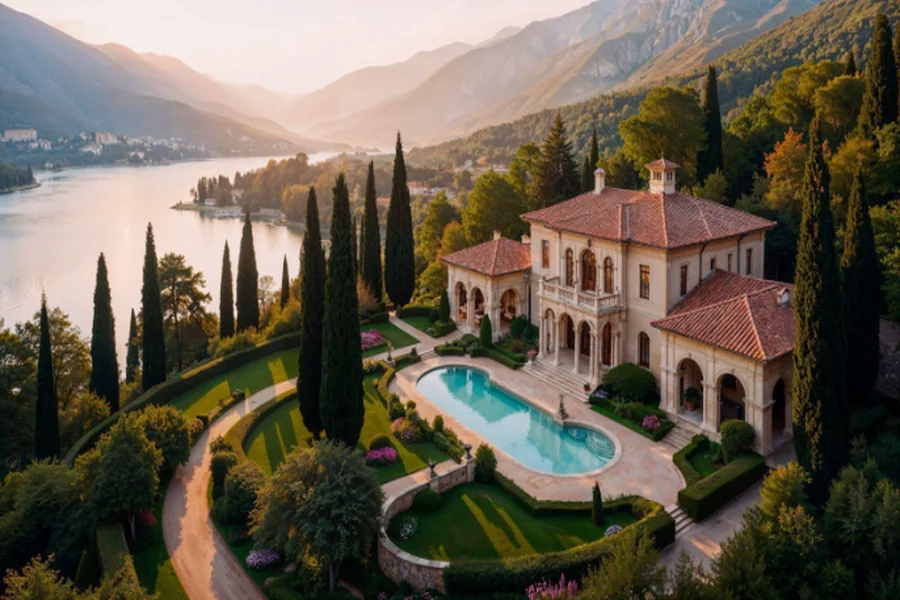
Luxury real estate used to focus on size and status. Bigger kitchens, taller ceilings, and dramatic entrances once defined value.
Today, buyers still appreciate those features, but they are not the main reason a home feels right. The focus has shifted toward comfort and daily life. High-end buyers want homes that support how they actually live. They want spaces that feel calm on a weekday morning and welcoming on a busy weekend.
This shift has changed how properties are built, marketed, and sold across Toronto’s most established neighbourhoods.
Daily Comfort Has Become the Real Standard
Comfort is now the starting point for most conversations. Buyers are asking how a home will feel at seven in the morning or late in the evening. They want natural light in the kitchen. They want quiet bedrooms that feel separate from entertaining areas.
They want storage that keeps clutter out of sight. These requests are not dramatic. They are practical. They reflect a desire for homes that reduce stress instead of adding to it. When comfort becomes the standard, design choices become more thoughtful and less performative.
Layouts That Support Real Life
Open concepts are still popular, but they are evolving. Buyers now want open spaces that feel defined. They want flow without noise carrying through the entire home. A well-designed layout creates subtle boundaries between cooking, dining, and relaxing areas. It allows families to share space while still having privacy.
Flex rooms have become more valuable because they adapt as life changes. A home office today may become a guest room later. A playroom may turn into a quiet reading space. This flexibility gives buyers confidence that the home will work for years, not just for the current season.
Design That Feels Calm Instead of Loud
Luxury no longer means dramatic for the sake of attention. It means thoughtful materials and balanced finishes. Buyers respond to natural stone, warm wood, and soft lighting. These elements create a sense of ease that does not need explanation.
Bold features still have a place, but they work best when used with restraint. A statement staircase or custom light fixture can add personality without overwhelming the room. When design feels cohesive, buyers relax. That relaxed feeling often leads to stronger offers because the space feels complete.
Outdoor Living as an Extension of the Home
Outdoor space is no longer treated as a bonus. It is part of the living experience. Buyers expect patios, terraces, or landscaped yards that feel usable and private. The size of the space matters less than how it functions.
A smaller, well-designed courtyard can feel more inviting than a large, empty backyard. Easy access from the kitchen or living room makes outdoor dining feel natural. Low maintenance landscaping also appeals to buyers who value convenience. When indoor and outdoor areas connect seamlessly, the home feels larger and more enjoyable year-round.
Privacy and Peace of Mind
Privacy has become a central feature in luxury homes. Buyers want to feel secure without feeling isolated. Mature trees, thoughtful landscaping, and quiet streets add to that sense of protection. Inside the home, primary suites are expected to feel like retreats. Separate sitting areas, walk-in closets, and well-designed bathrooms create space to unwind. Technology also plays a role. Smart systems allow homeowners to manage lighting, security, and climate with ease. However, the technology should feel simple to use and not intrusive. When privacy and convenience work together, the result is a home that feels steady and controlled.
Renovations That Go Beyond Surface Appeal
Today’s buyers pay attention to what lies behind the walls. Fresh paint and new countertops are not enough to secure confidence. Buyers want to know that plumbing, electrical systems, and structural updates were handled properly. Documentation builds trust.
Clear records of renovations reassure buyers that the home has been cared for. Sellers who invest in quality improvements often see stronger interest because buyers recognize long-term value. True luxury is not about shine. It is about knowing the home is solid and ready for everyday use.
Neighbourhood Still Shapes Value
Location continues to influence every decision. However, buyers are looking beyond simple proximity to downtown. They consider walkability, green space, and access to schools. They think about how the neighbourhood feels in the evening as well as during the day.
Pricing With Discipline in a Shifting Market
The luxury market responds to broader economic conditions. Interest rates, supply levels, and buyer confidence all influence pricing. Sellers benefit from realistic strategies based on comparable sales and current demand.
Overpricing can slow momentum. Underpricing can create confusion and tension. Disciplined pricing builds trust between buyers and sellers. It signals that the property is positioned thoughtfully rather than emotionally. When expectations are aligned with market realities, negotiations feel smoother and outcomes feel fair.
What Buyers Should Keep in Mind
High-end buyers benefit from clarity before touring properties. Clear priorities prevent distraction during showings. Buyers should understand which features are essential and which are flexible. They should also consider how long they plan to remain in the home. A property that works for five years may differ from one that needs to serve for twenty.
Quick checks before making an offer include:
- Does the layout support daily routines.
- Does the neighbourhood align with long-term plans.
- Do renovation details reflect lasting quality.
These simple questions create focus and reduce regret.
What Sellers Can Do to Stand Out
Sellers can strengthen their position by presenting their home with transparency and intention. A clear marketing plan that highlights real strengths builds confidence. Professional photography and accurate pricing attract serious buyers. Detailed information about upgrades reassures cautious clients.
Practical takeaways for sellers include:
- Gather documentation for renovations and improvements.
- Prepare the home so it feels clean and uncluttered.
- Price based on data, not emotion.
These steps make the experience smoother for everyone involved.
The Human Side of the Transaction
Even in a data-driven market, real estate remains emotional. Buyers imagine future milestones inside the space. Sellers often part with homes that hold years of memories.
A calm, experienced team helps manage these emotions with steady guidance. Harvey Kalles Real Estate has worked across Toronto’s luxury market long enough to understand this balance. The firm is trusted by buyers and sellers who value discretion, market insight, and thoughtful negotiation. That trust is built through consistent results and long-term relationships rather than loud marketing.
Why This Shift Matters Now
The luxury market will continue to evolve, but the current focus on comfort and practicality is unlikely to fade. People want homes that support how they live every day. They want spaces that feel peaceful rather than performative. They want quality that holds up over time. When these elements align, the transaction feels steady instead of rushed.
Luxury today means comfort, privacy, disciplined pricing, and real neighbourhood knowledge. It means choosing a brokerage that understands both the financial and emotional sides of the process. When buyers and sellers work with a team that approaches the market with calm confidence, the experience becomes easier to navigate and harder to forget.
