
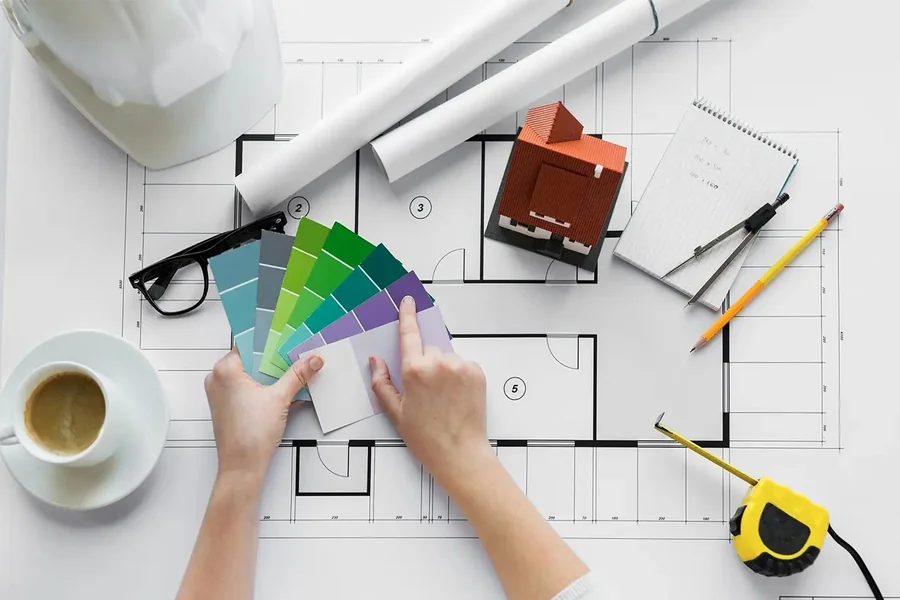
Thinking of renovating your home in the Inner West?
Whether it’s a poky bathroom that needs more light or a kitchen that just doesn’t flow, renovations can be as exciting as they are overwhelming. Between juggling trades, permits, and Pinterest boards, it’s easy to feel out of your depth. But with a bit of forward planning and the right help, things don’t have to spiral into chaos.
Here’s how to make the process smoother – from idea to completion – without losing your weekends, your money, or your mind.
Start with clarity, not a wishlist
It’s tempting to start saving tile inspiration and sketching out your dream butler’s pantry, but before you go full interior design mode, get clear on what’s driving the renovation. Are you trying to add space, improve liveability, increase resale value, or all of the above?
Being specific will help you avoid expensive detours and keep your brief focused when speaking to builders or designers. This doesn’t mean you need a fully itemised list of works from day one, but it does mean thinking beyond “we want it to look nicer.”
Know what council requires in your area
Not all renovations need approval, but it’s common for structural changes, additions, or anything that affects the exterior of your home to fall under local council regulations. Inner West suburbs can have strict heritage overlays or zoning constraints that catch people off guard.
Before you start knocking down walls or digging for that dream extension, take the time to check what approvals you need – and whether your plans qualify for exempt or complying development. This step might seem tedious, but skipping it can cost you more in delays and legal trouble later on.
Decide what stays and what goes
One of the most budget-saving decisions you can make is choosing what to keep. Sometimes you don’t need to gut the entire kitchen – just replace doors and splashbacks. In other cases, retaining floorboards or working around plumbing can reduce both waste and cost.
It also helps to map out what’s non-negotiable versus nice-to-have. If your bathroom layout works but needs an update, maybe you focus on finishes rather than reconfiguring the space.
Line up the right people early
Don’t wait until demolition day to start calling tradies. A well-planned renovation relies on good coordination between builders, electricians, plumbers, and more. Even if you’re project-managing yourself, having a clear schedule (and locking people in ahead of time) will make the process less stressful.
If you’re not confident managing the process solo, working with experienced inner west Sydney home renovators like BNZ Innovation can help simplify the entire experience. From quoting to completion, they handle the nitty-gritty while keeping your vision at the centre.
Factor in the hidden extras
Most people forget to budget for the small stuff. Temporary accommodation. Skip bin hire. Extra takeout while the kitchen’s out of action. These “extras” can sneak up on you, especially in longer or more disruptive projects.
Plan for at least 10 to 20 per cent of your total budget as a buffer. It’s better to have leftover funds than to be caught short halfway through because you didn’t anticipate asbestos under the tiles or a cracked pipe under the slab.
Use phasing if you’re living in
Living through a renovation? Not everything has to happen at once. Phasing your project into manageable stages can keep your home semi-functional and reduce disruption.
Renovate bathrooms one at a time. Tackle kitchen upgrades once bedrooms are done. It takes longer, yes – but it might mean you don’t have to move out, saving on rent and relocation stress.
Keep neighbours on your side
Renovations are noisy. Dusty. Sometimes they spill into shared driveways or result in blocked-off streets. If you live in a tight-knit part of the Inner West, giving your neighbours a heads-up (or even a small gesture like a coffee voucher) can go a long way in keeping the peace.
They might even be willing to help you spot deliveries or let tradies access shared areas if needed. At the very least, it helps avoid complaints that could delay your project.
Think about liveability, not just looks
A renovation should feel good to live in – not just look good on a floor plan. That means thinking about airflow, natural light, storage, and how you actually use the space. Is that island bench just for show, or will it become the new dumping ground for school bags and mail?
One way to avoid mistakes is by understanding common layout issues in small homes, especially if you’re working with older terrace-style houses. A bit of insight here can help you make smarter design choices that work in real life, not just on paper.
The small stuff adds up
From door handles to grout colour, small decisions pile up. Keeping all these choices consistent (or at least complementary) will save you a lot of headaches later. Some people like to create a “lookbook” for the project to track decisions, materials, and finishes all in one place.
It might feel overly organised at first, but when you’re standing in the tile aisle trying to remember if the laundry tapware was brushed nickel or chrome, you’ll be glad you did.
Wrap up with a quality check
Once work is finished, do a detailed walk-through – not just a quick once-over. Check that everything works as it should. Look for any paint touch-ups or defects. Keep a list, and don’t be afraid to ask for fixes. It’s much easier to sort it out now than months later when warranties are harder to claim.
Renovating can be messy, rewarding, and everything in between. But with some thoughtful planning, the right help, and a clear sense of purpose, you’ll be far more likely to end up with a home that feels just right.
