
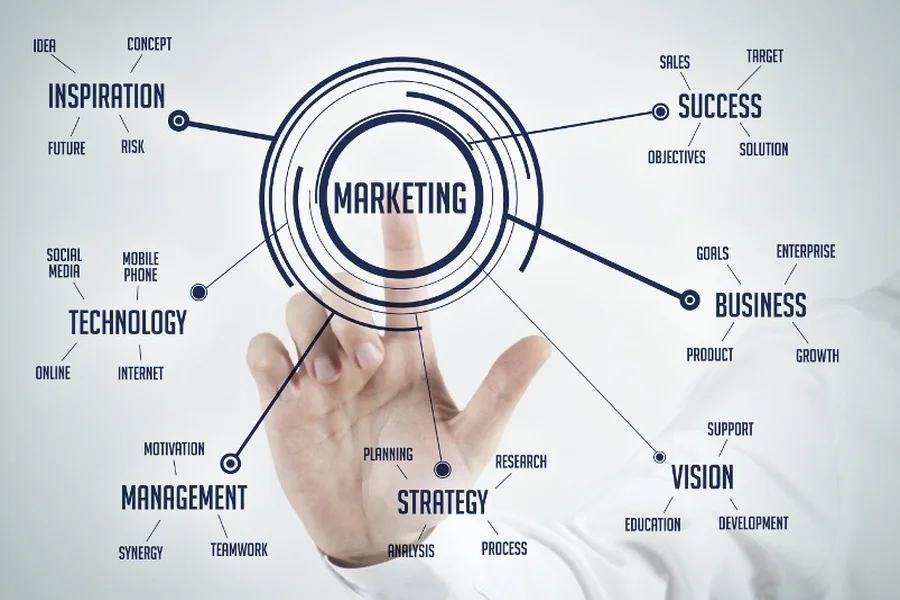
Marketing, at its heart, is about connection. It’s the process of taking a product, service, or idea and finding the best, most honest way to present it to people who need or want it. While that definition might seem simple, the execution is anything but. Marketing has evolved from simple word-of-mouth exchanges to an intricate network of digital campaigns, branding strategies, data analysis, and consumer psychology. In today’s landscape, understanding how it all fits together is critical not just for marketers but for business leaders, creators, and entrepreneurs who want their message to cut through the noise.
There’s a reason marketing touches every part of a business. It’s more than just ads and promotions—it informs product development, customer service, design, and long-term business growth. Marketing is how brands introduce themselves to the world and how they stay relevant once they’ve arrived. And in an era of ever-changing technology and consumer expectations, the ability to adapt and integrate across marketing channels has become more important than ever.
The Many Layers of Marketing
To understand how marketing works as a whole, it helps to look at the foundational layers that make up a complete strategy. At the top level is brand strategy—the story you tell and the way you tell it. This includes your mission, your tone of voice, your visual identity, and how you want people to feel when they interact with your company. Branding shapes perception, and perception drives trust. If someone believes in your story, they’re more likely to buy from you.
Then comes content—the fuel that keeps your brand alive across channels. Blog posts, videos, social media updates, podcasts, infographics—these are the vehicles for delivering value. Good content answers questions, educates, entertains, or solves a problem. It keeps people coming back. But content alone doesn’t get seen. That’s where the distribution strategy comes in.
Distribution involves choosing where and how your content appears. Will it live on your website? Be shared on Instagram? Promoted through email newsletters or YouTube ads? The right content in the wrong place won’t perform. Understanding your audience’s habits and preferences is key to choosing the most effective platforms.
Paid media also plays a role, particularly for businesses looking to scale quickly. This can include display ads, paid search campaigns, social media boosts, or influencer partnerships. Paid efforts drive traffic, visibility, and conversions, but they work best when supported by strong organic foundations.
Lastly, there’s performance measurement. This means tracking the effectiveness of every campaign and adjusting based on what’s working. From Google Analytics to CRM systems to social media metrics, modern marketing is deeply rooted in data. Knowing what resonates, what converts, and what falls flat allows marketers to refine and improve over time.
Where Digital Comes Into Play
Digital marketing has fundamentally reshaped how businesses reach their audiences. In the past, companies were limited by geography, budget, and access to media outlets. Today, a small brand can sell to global customers through an e-commerce site, grow a following on TikTok, and target specific user segments through social media—all from a laptop.
Digital marketing also allows for deeper personalization. Instead of sending the same message to everyone, brands can tailor experiences based on location, behavior, interests, and past purchases. Emails, landing pages, and ads can all be customized to resonate with specific types of users.
This shift has also opened the door to real-time engagement. Brands can have conversations with customers, respond to questions, address issues publicly, and build relationships through comments, DMs, or live events. In many ways, digital marketing has brought the human element back into business, allowing brands to act less like corporations and more like people.
SEO Services and the Power of Discoverability
One of the most essential—yet often misunderstood—components of digital marketing is search engine optimization, or SEO. While it might not have the flashy appeal of social media or video content, SEO is the backbone of online visibility. Without it, even the most compelling content can go unnoticed.
SEO services help businesses fine-tune their websites and content so they’re easier for search engines like Google to understand and recommend. This can involve optimizing page speed, structuring content, using relevant keywords, improving mobile performance, and earning backlinks from reputable sources. In short, SEO makes sure your site doesn’t get lost in the shuffle.
But SEO isn’t just about rankings—it’s about intent. When someone searches for “best dog-friendly hotels near Denver” or “how to start a podcast,” they’re actively looking for help. Showing up at the top of that results page means meeting people when they’re most ready to engage. And unlike paid ads, a strong SEO foundation can deliver long-term, sustainable traffic without an ongoing spend.
How It All Connects
Marketing doesn’t work in silos. Your social media strategy impacts your SEO. Your SEO informs your content topics. Your branding guides your ad creative. Your email campaigns build on your website’s calls to action. Every piece is interconnected, and when those pieces align, the result is powerful.
A well-integrated marketing system ensures that no matter where someone first encounters your brand—on Instagram, in a blog post, via a referral—they experience consistency. They understand what your business stands for, what it offers, and why it matters. Over time, this builds recognition, loyalty, and advocacy.
And integration also leads to efficiency. When your content serves multiple channels, your data is shared across tools, and your team is aligned around shared goals, your marketing becomes smarter and more agile. You’re able to respond faster, invest more wisely, and experiment without starting from scratch.
Conclusion: Marketing as an Ongoing Conversation
At its best, marketing isn’t a series of campaigns or a collection of tactics—it’s a conversation. It’s listening, learning, responding, and refining. It’s about understanding what your customers care about and finding meaningful ways to deliver on those needs. It’s both an art and a science, rooted in creativity and analytics alike.
Whether you’re launching a new business, expanding into new markets, or trying to make sense of a digital-first world, understanding how marketing fits together can be the difference between growth and stagnation. And as tools like SEO services, automation platforms, and content engines continue to evolve, the opportunities for connection will only grow.
Marketing is how the world meets your brand. Done thoughtfully, it’s how the world remembers you, too, as highlighted by boring news.
