
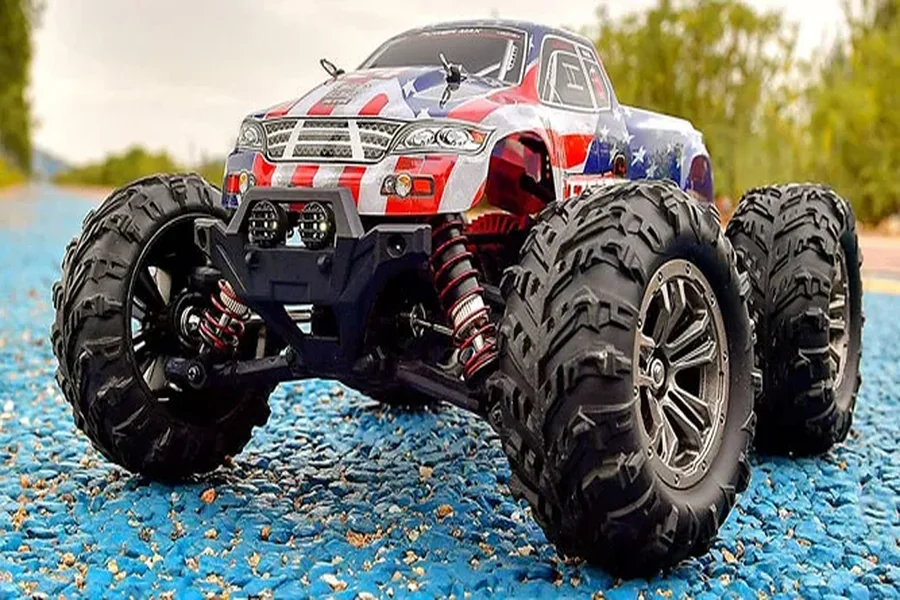
Remote-controlled (RC) trucks are more than just toys—they offer an exciting gateway into the world of hobbyist vehicles, combining technology, mechanics, and outdoor adventure. Whether you’re drawn to the thrill of racing, the challenge of off-roading, or the satisfaction of building and customizing, RC trucks provide endless fun. For beginners, understanding the basics is key to getting the most out of this hobby.
Understanding RC Trucks
RC trucks are miniature versions of real vehicles, controlled via a handheld transmitter that communicates with a receiver in the truck. They come in various sizes, types, and complexities, ranging from simple “ready-to-run” (RTR) models to kits that require assembly and customization. Beginners typically start with RTR models because they are pre-assembled, easy to operate, and durable enough to withstand the learning curve.
One of the first decisions to make is choosing between electric and nitro-powered RC trucks. Electric RC trucks run on rechargeable batteries, making them quieter, cleaner, and easier to maintain. Nitro trucks, on the other hand, are powered by a small internal combustion engine fueled by a nitro-methane blend. Nitro models offer more realism and speed but require more maintenance and experience. For beginners, electric RC trucks are generally recommended for their convenience and ease of use.
Choosing the Right Truck
When selecting your first RC truck, there are a few key factors to consider. Size is important: smaller models are more affordable and easier to maneuver, while larger models provide better stability and off-road capability. Scale is often represented as a ratio, such as 1:10 or 1:8, indicating the size of the model relative to a real truck. A 1:10 scale is ideal for beginners because it balances performance and affordability.
Another consideration is the type of terrain you plan to drive on. Some trucks are designed specifically for off-road use, featuring large tires, high ground clearance, and durable suspension systems. Others are better suited for on-road racing with smooth tires and lower ground clearance. Assess your environment and driving style to pick a truck that fits your needs.
If you’re unsure which model to start with, visiting a local RC shop can be invaluable, as staff can guide you to trucks suited for beginners and show available upgrades.
Key Features to Know
Understanding the essential components of an RC truck will make your experience more enjoyable. Suspension systems absorb shocks from jumps and rough terrain, allowing for smoother handling. Tires come in various treads for different surfaces, from dirt and gravel to pavement. The drivetrain determines how power is distributed; 2WD trucks are easier to control and more affordable, while 4WD trucks offer better traction and off-road performance.
Radio transmitters are also a crucial part of the experience. Modern transmitters provide precise control over speed, steering, and sometimes additional features like throttle curves. Beginners should start with basic, easy-to-use transmitters and upgrade as their skills improve.
Maintenance and Care
Even the most durable RC truck requires maintenance to keep it running smoothly. Regularly check screws, nuts, and bolts for tightness, clean dirt from the chassis and tires, and inspect the battery and motor for wear. For electric models, charging batteries correctly is crucial to avoid damage. Nitro trucks require additional care, such as cleaning the engine and checking fuel lines. Following a routine maintenance schedule will extend the life of your truck and enhance performance.
Getting Started and Improving Skills
For beginners, practice is key. Start in open areas with minimal obstacles to get a feel for controlling your truck. Focus on mastering acceleration, braking, and turning before attempting jumps or tight courses. Joining local RC clubs or online communities can provide valuable tips, track access, and opportunities to participate in friendly competitions.
As skills improve, hobbyists often enjoy customizing their trucks. Upgrades may include stronger motors, better suspension components, or aesthetic modifications like paint and decals. Part of the fun of RC trucking is tailoring your vehicle to match your personal style and driving preferences.
Why RC Trucks Are a Great Hobby
RC trucking combines technology, creativity, and outdoor activity, making it appealing to a wide range of people. It teaches mechanical skills, problem-solving, and patience while providing hours of entertainment. Unlike video games, RC trucks are physical and interactive, allowing enthusiasts to see the direct impact of their actions on the vehicle and terrain.
In conclusion, RC trucks are a rewarding hobby for beginners who are willing to learn and experiment. By understanding the basics of truck types, features, and maintenance, newcomers can enjoy a smooth start and gradually develop their skills. With the right truck, a bit of practice, and a sense of adventure, RC trucking can become a lifelong passion filled with fun, creativity, and a little healthy competition.
