
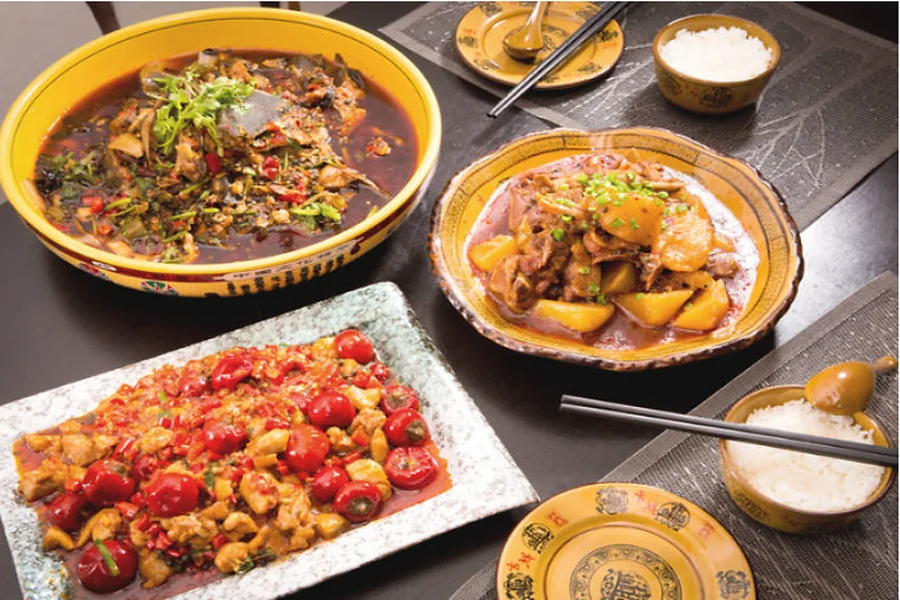
Singapore is widely recognised for its multicultural dining culture, shaped by generations of migration and cultural exchange. Chinese, Malay, Indian, and Peranakan food traditions coexist across the island, forming a dining culture that appeals to both locals and travellers. Meals are deeply woven into daily routines, family gatherings, and festive occasions, turning food into a shared social experience rather than a simple necessity.
The role of Chinese cuisine in local food culture
Chinese cooking traditions hold a central position within Singapore’s dining habits. From everyday meals at neighbourhood eateries to elaborate banquets during celebrations, including refined experiences such as Xin Cuisine Chinese Restaurant, these dishes reflect heritage, craftsmanship, and communal values. Recipes passed down through families continue to influence modern menus, keeping traditions alive across generations.
The Depth of Chinese Cuisine in Singapore
Historical roots and culinary evolution
Chinese food arrived in Singapore during the nineteenth century alongside early settlers from southern China. Immigrants from Fujian, Guangdong, Hainan, and other regions brought their cooking styles, preserved techniques, and flavour preferences. Over time, these traditions adapted to local produce and tastes, shaping a distinctive food culture that feels familiar yet unique.
Influence of Chinese communities on local dining
Chinese communities introduced cooking methods such as stir-frying, steaming, braising, and slow roasting. Soy sauce, fermented pastes, dried seafood, and rice-based staples became everyday ingredients. Over decades, these elements blended naturally into Singapore’s dining habits, forming dishes that reflect shared heritage and local identity.
Range and diversity of Chinese cooking styles
Chinese cuisine in Singapore reflects regional variety rather than a single style. Cantonese cooking highlights freshness and balance. Hokkien dishes lean toward savoury depth and seafood notes. Teochew cuisine values clarity of flavour. Sichuan cooking delivers bold spice and aroma. This wide selection allows diners to explore many traditions without leaving the island.
Regional Influences and Their Distinctive Flavours
Sichuan cuisine: bold heat and layered spice
Sichuan dishes are recognised for their strong chilli presence and numbing peppercorns. Flavours unfold gradually, creating a memorable eating experience that appeals to spice enthusiasts. Popular offerings include mapo tofu and spicy hotpot, both valued for their depth and warmth.
Cantonese cuisine: refined and balanced
Cantonese cooking focuses on preserving the natural taste of ingredients. Light seasoning, precise timing, and careful preparation define this style. Steamed fish, roasted meats, and dim sum highlight restraint and technique rather than heavy spice.
Putian cuisine: seafood-focused traditions
Putian dishes reflect coastal influences, featuring clams, prawns, fish, and shellfish prepared with gentle seasoning. Broths and soups play a central role, offering comfort and clarity of flavour.
Hainanese cuisine: the legacy of chicken rice
Hainanese chicken rice stands among Singapore’s most recognised dishes. Poached chicken, fragrant rice cooked in broth, and flavourful condiments form a combination valued for simplicity and balance. This dish appears across hawker centres and restaurants alike.
What Sets Singaporean Chinese Cuisine Apart
Blending of regional traditions
Singapore’s Chinese food scene stands apart through the blending of regional cooking styles. Recipes evolve through shared kitchens, multicultural neighbourhoods, and changing lifestyles. This interaction produces dishes that honour tradition yet reflect local preferences.
Influence of local ingredients and cultures
Local herbs, spices, and seafood influence preparation methods and flavour profiles. Southeast Asian elements such as chilli paste, coconut-based sauces, and aromatic herbs appear within Chinese-style dishes, giving them a distinctive character found primarily in Singapore.
Popular Chinese Dishes and Where to Find Them
Must-try dishes
Singapore offers countless Chinese dishes worth sampling. Char Kway Teow delivers smoky flavour through wok-frying. Bak Kut Teh features peppery broth and tender pork ribs. Wanton noodles combine springy egg noodles with savoury sauce. Chili crab, though adapted locally, reflects Chinese cooking foundations paired with bold seasoning.
What makes these dishes special
Each dish tells a story through ingredients, preparation, and presentation. Techniques passed through generations shape textures and aromas. Attention to balance remains a shared principle across styles, whether the dish leans toward richness or lightness.
Recommended dining spots
Hawker centres remain a popular choice for authentic flavours at accessible prices. Areas such as Chinatown Complex, Maxwell Food Centre, and Tiong Bahru Market draw crowds seeking trusted stalls. For restaurant dining, neighbourhood eateries and heritage establishments present refined interpretations of classic dishes.
Street Food Culture and Hawker Centres
Origins and cultural value of hawker centres
Hawker centres emerged during the 1970s as part of a public effort to organise street vendors into clean, regulated spaces. These centres now serve as social gathering points where people from all backgrounds share meals. Affordable pricing and a wide variety define their appeal.
Chinese dishes commonly found at hawker centres
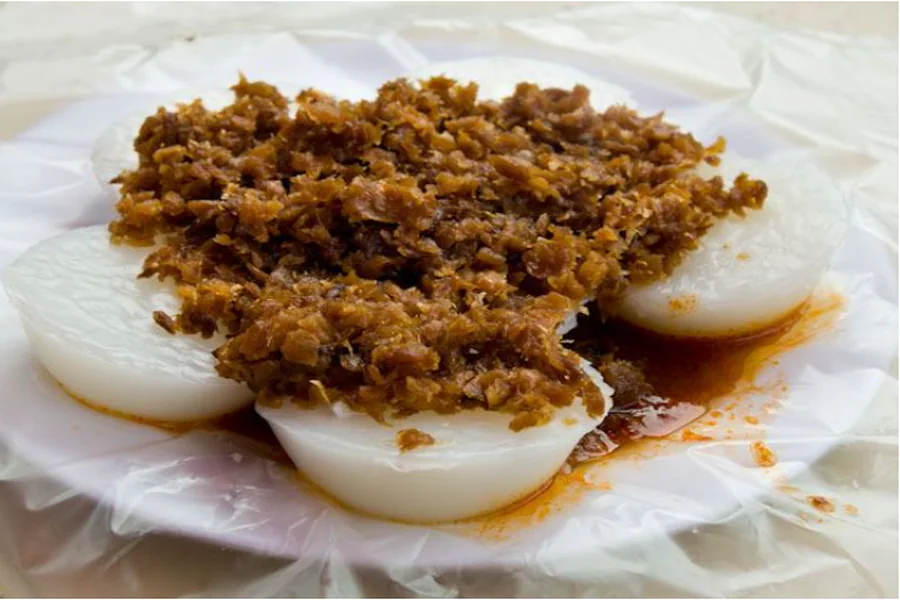
Visitors encounter Hainanese chicken rice, roasted duck, dumplings, congee, fried noodles, and handmade dim sum. Each stall often specialises in one or two dishes, refined through years of practice.
Closing Thoughts
Chinese cuisine in Singapore offers depth, diversity, and enduring appeal. Historical roots, regional influences, and local creativity shape a dining culture that continues to evolve without losing its heritage. From hawker stalls to refined dining rooms, these dishes bring people together through shared appreciation of flavour and tradition. For food lovers seeking authenticity paired with innovation, Singapore remains a rewarding destination where Chinese culinary traditions thrive across every setting.
