
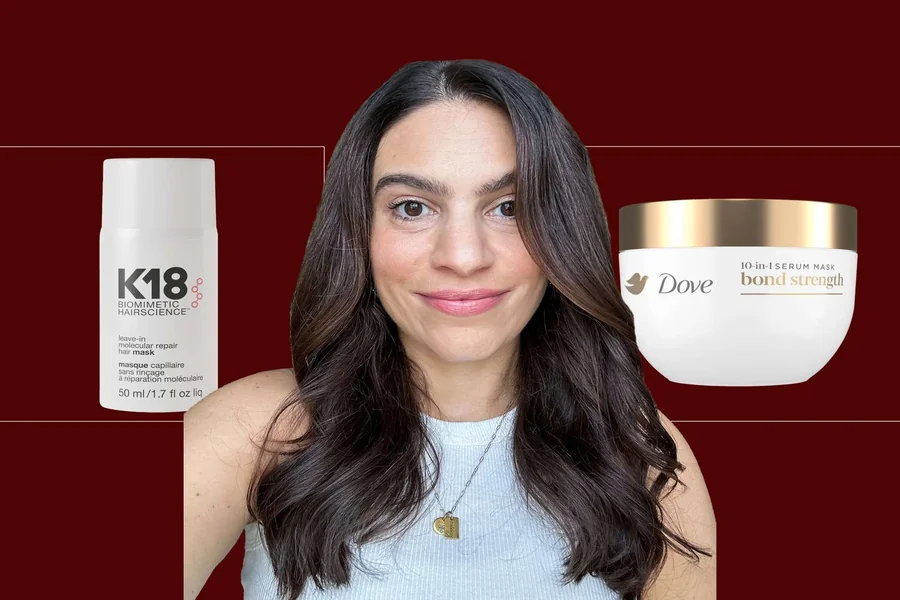
You know your hair needs some extra care when it looks fine after styling but turns puffy, rough, or full of flyaways a few hours later. A good hair mask can make those bad hair days easier to manage, but picking one is not just about choosing the product with the longest ingredient list. Some ingredients are better suited to dry, unruly lengths than others.
Shea butter, Niacinamide, and carbohydrate-based conditioning ingredients can support softer, smoother, more manageable hair. Here is how these ingredients work, what to look for for your hair type, and how to use a mask without weighing your hair down.
Why Does Hair Become Frizzy?
Frizz can become more noticeable when the hair cuticle, which is the outer layer of each strand, is rough or lifted. Dry hair lacks moisture retention, so the strands can feel coarse and look puffier. Humid weather can make this even worse because porous hair absorbs moisture from the air and causes swelling of each strand.
Moreover, heat treatment, colouring, regular brushing, and rubbing with a towel may also cause the cuticle to become damaged. As a result, this can make the hair feel less smooth and difficult to manage. However, an effective hair mask can bring moisture and conditioning to dry hair, making each strand soft and less prone to frizz.
Ingredients That Work for Frizzy Hair
Niacinamide
While niacinamide is best known as a skincare ingredient, it is also used in haircare formulations. It can help support moisture retention and help hair feel more flexible and conditioned. This is useful when frizz comes with dryness and roughness. In a hair mask, niacinamide works along with other conditioning ingredients to make the hair softer and easier to manage.
Shea Butter
Shea butter is a rich emollient that may help nourish hair and help make its surface smoother. It can act as a protective coating for hair, reduce moisture loss, and make the lengths smoother and softer. Since it has a rich texture, shea butter can be very effective for use in hair masks for thick and coarse hair, including curly and very dry hair. It can also give the hair more slip, making it easier to comb through after washing.
Carbohydrate Complex
Carbohydrate Complex is an ingredient that can provide moisture and conditioning for hair damaged by heat styling, styling, and even environmental damage. It could assist in improving the feel of coarse hair strands and also make the hair manageable. Rather than only providing temporary smoothness to hair, such ingredients may also support the overall feel and resilience of the hair.
The Bare Anatomy Ultra Smoothing Hair Mask combines all three ingredients in one formula. This hair mask for frizzy hair consists of Shea butter, Niacinamide, and Carbohydrate complex to condition dry, frizzy hair and improve softness, smoothness, and manageability.
How to Choose a Hair Mask for Your Hair Type
Hair type is crucial since what will feel like nourishment for thick curls will not necessarily benefit fine hair, leaving it dull. Match the formula to how your hair feels and behaves.
- For fine or straight hair: Choose a lightweight smoothing hair mask and use a smaller amount through the mid-lengths and ends.
- For thick or coarse hair: A rich formula with ingredients such as Shea butter can give dry lengths the extra softness they need.
- For curly or wavy hair: Look for moisturising and smoothing ingredients that help with dryness without making the curls feel stiff.
- For dry or damaged hair: An effective hair mask for dry hair can give your lengths more intensive conditioning than your regular conditioner.
- For colour-treated hair: Pick a gentle and moisturising formula that helps keep treated lengths soft and manageable.
How to Use a Hair Mask the Right Way
Getting the application right can make a noticeable difference. Follow these simple steps:
- Shampoo your hair and rinse it well.
- Squeeze out excess water before applying the mask. Very wet hair can dilute the product.
- Take an adequate amount and spread it through the mid-lengths and ends.
- Use your fingers or a wide-tooth comb to distribute it evenly.
- Leave it on for about 5-10 minutes. Keeping a rinse-off mask on for much longer does not automatically improve the results.
- Rinse thoroughly with lukewarm water so that no heavy residue is left behind.
- Dry your hair gently instead of rubbing it vigorously with a towel.
For ongoing frizz control, consistency is more important than using large amounts of this product in one sitting.
Common Mistakes to Avoid
Keep these common mistakes in mind:
- Applying on the scalp: Most masks are designed for the hair ends. Applying a nourishing mask on the scalp can leave the roots looking oily.
- Using too much product: A lot of product is not needed. It is best to apply the right amount of product to ensure that it coats the lengths evenly.
- Using it too often: Twice to thrice a week is enough for hair that requires constant conditioning. Finer or oilier hair may need it less often.
- Rinsing immediately: Allowing the mask to rest on your hair for at least 5-10 minutes can help ensure better results.
- Rubbing wet hair roughly: Wet hair is more prone to damage, so handle it gently after washing.
Conclusion
Good frizz control does not have to mean piling product onto your hair every day. First, make sure that your lengths receive proper hydration and nutrition, then select ingredients that would be compatible with the texture and condition of your hair. A hair mask for frizzy hair is easy to include in your routine as long as you follow proper techniques for its application. A simple routine based on the right ingredients can help a lot with managing frizzy hair.
