
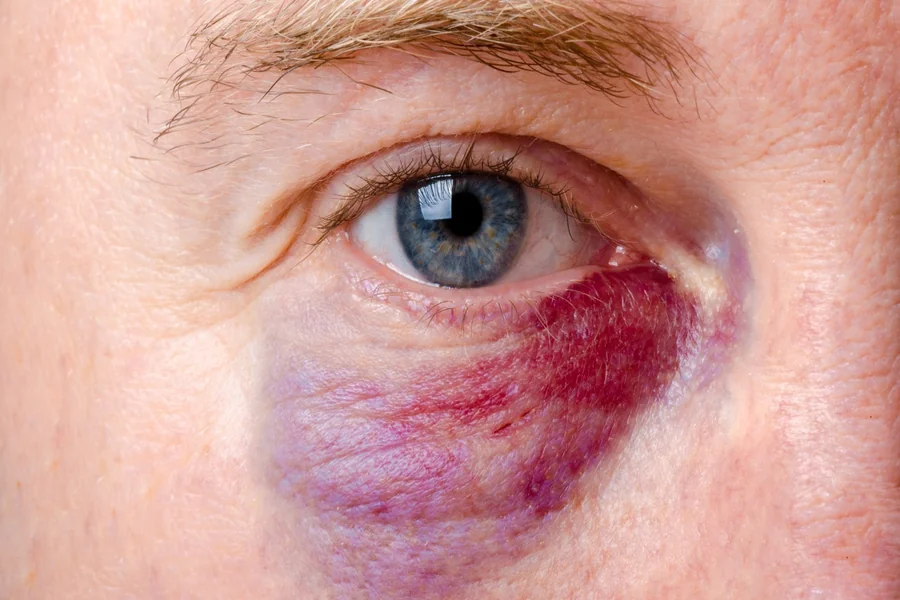
Every treatment comes with two lists. One is the list of things that are supposed to happen and look alarming anyway. The other is the list of things that are not supposed to happen at all. Most people are handed one sheet of paper with both lists jumbled together, then sent home to work out which is which at ten at night.
It is worth sorting them out in advance. Take a polynucleotide injectable, the category that includes rejuran healer skin booster and the other salmon-derived products used for skin repair. Nearly everyone who has one walks out with small raised bumps across the treated area. That is not a complication. It is the delivery method. Knowing the difference beforehand saves a lot of unnecessary worry, and it means you notice the thing that does matter.
Why You Leave With Bumps
These products are not spread across the skin. They are deposited in small amounts at many separate points just under the surface, which leaves a row of little raised blebs where each deposit sits. On some people they are barely visible. On others they look like a rash for an evening.
They flatten as the material disperses and the skin settles. Clinics generally describe this as resolving within a day or two, alongside redness, needle marks, mild bruising and sometimes itchiness.
The useful part of that timeline is that it hands you a baseline. You now know roughly what the normal curve looks like. Uncomfortable on day one, better on day two, largely gone by the end of day three.
The Rule For Day Three
Here is the rule, and it is a simple one. Expected effects get better. Problems get worse.
Anything improving on schedule is almost certainly doing what it was always going to do. Anything more red, more swollen, more painful or warmer on day three than on day one has left the expected list, and belongs in a phone call to the clinic rather than a search engine.
That one question, is this better or worse than yesterday, sorts out most post-treatment worry without requiring any medical knowledge at all.
The Question About Fillers
Now the part that genuinely matters and routinely gets skipped. Polynucleotide products are not recommended on top of cross-linked hyaluronic acid filler, because the combination has been associated with granuloma formation. A granuloma is a persistent lump of inflammatory tissue, and it is a considerably larger problem than a bump that fades overnight.
Filler is easy to forget. It was eighteen months ago. It has mostly gone. It was elsewhere on the face. It does not feel relevant. It is. Cross-linked filler can persist far longer than people expect, and the clinic treating you today cannot see what somebody injected into your cheek last year.
So the history you give at a consultation is not an administrative formality. It is the main safety input in the room, and you are the only person who has it.
What To Tell Them Beforehand
Go in ready to answer these, whether or not anybody asks.
- Every injectable you have had, what it was and roughly when
- Any filler at all, including small amounts and old treatments
- Allergies, particularly to fish or seafood
- Whether you are pregnant, breastfeeding, or taking anything that affects bleeding
- Any active skin infection, or recent peel, laser or waxing on the area
If you cannot remember what you have had, say so plainly. An honest I am not sure is far more useful to a doctor than a confident wrong answer.
Where It Comes From Matters
Polynucleotides used in aesthetic medicine are purified from fish DNA, commonly salmon. The purification is extensive and what remains is a molecular fragment rather than anything you would recognise as fish.
Even so, two groups should raise it early. Anyone with a seafood allergy or marked sensitivity needs that on the table before anything is drawn up. And anyone who avoids animal-derived products for ethical or religious reasons should know the source, because it is not obvious from the name and rarely comes up unprompted.
What Aftercare Is Actually For
Aftercare instructions tend to read like superstition. Avoid alcohol, heat, saunas and strenuous exercise, and hold off on peels, waxing and energy-based treatments for a while.
There is a plain logic underneath. The first group raises blood flow and makes bruising and swelling worse at exactly the moment the skin is already irritated. The second works on the same tissue you have just had treated, so stacking them risks aggravating the area or working against the first treatment.
None of it is dramatic. It amounts to a day of caution and a couple of weeks of not booking something else on the same skin.
One last thing about expectations. These treatments are quoted per session, but they are not designed to be had once. A course of three or four sessions spaced about a month apart is the usual recommendation, so the number that matters while you are deciding is the course, not the visit.
And results vary, as they do with anything that works by prompting the skin’s own repair rather than placing something that stays put. Whether it suits you depends on your skin, your history and what you hope to change, which is a judgement for a qualified doctor who has examined you. Your job is smaller. Turn up with an accurate history, and know which list each thing belongs on.
