
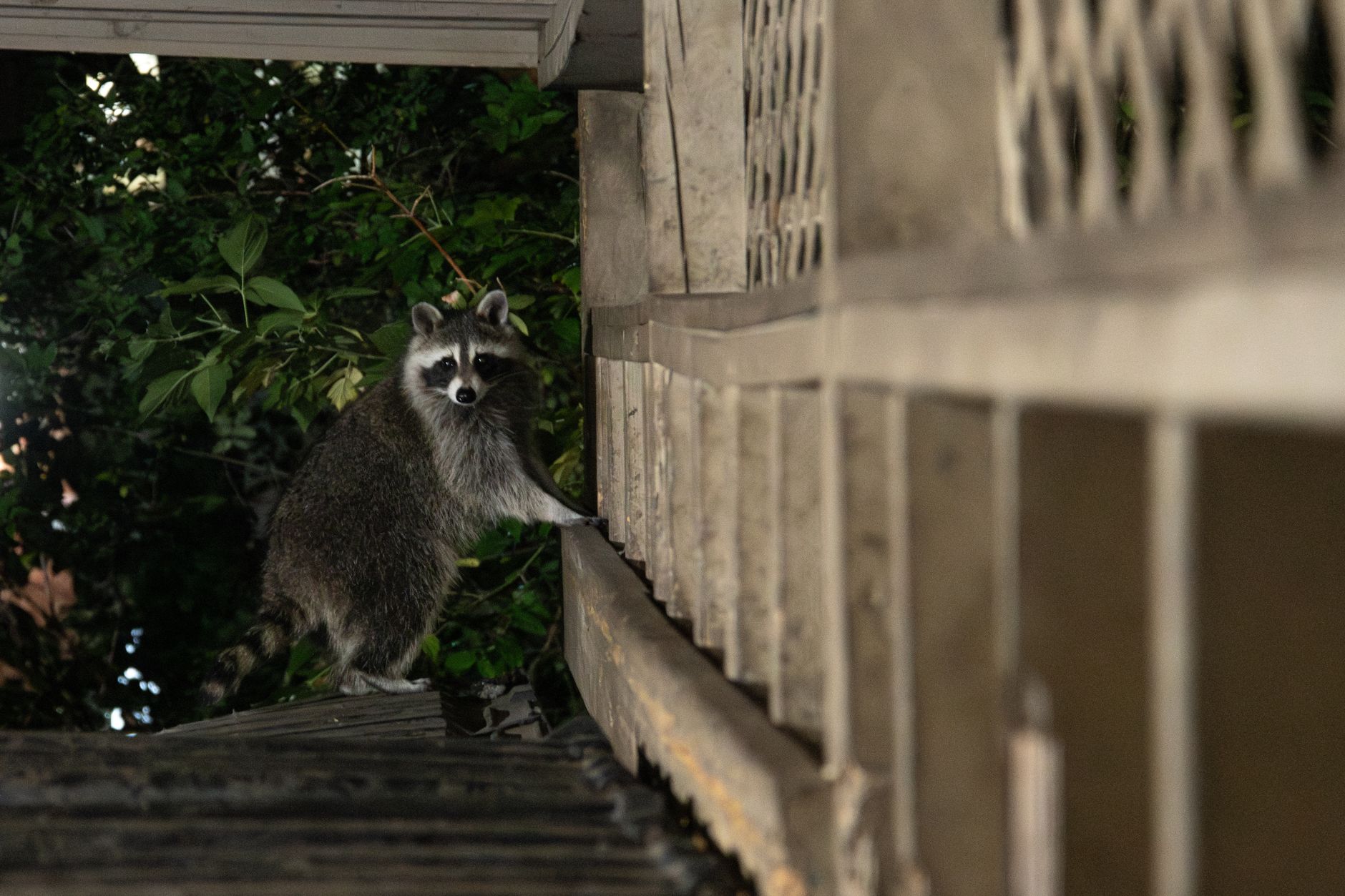
Small gardens, apartment balconies, schoolyards, vacant lots, and roadside beds can all help wildlife find food, cover, and safe places to rest. Ideas shared by Virginia Chipurnoi reflect a useful starting point: practical environmental stewardship often begins in the everyday spaces people already manage.
A wildlife-friendly space does not need to look wild or require a large property. With native plants, seasonal planning, and thoughtful maintenance, even a compact planting can support birds, butterflies, native bees, and other beneficial insects while making neighborhoods greener and more resilient.
Why Small Spaces Matter
Urban growth often divides forests, wetlands, and grasslands into isolated fragments. Wildlife may struggle to move between those areas, especially where roads, parking lots, walls, and closely trimmed lawns create long gaps without shelter. Small planted spaces cannot replace large protected habitats, but they can serve as stepping stones between them.
A planting bed can offer nectar, seeds, insects, shade, nesting material, and temporary cover. When nearby homes, schools, parks, and businesses include similar features, the separate patches become a loose habitat network. A single yard matters more when it connects with the green spaces around it.
How Native Plants Support Food Webs
Wildlife needs more than attractive flowers. It needs resources across its life cycle, including host plants for insect larvae, leaves and bark for shelter, berries and seeds for food, and safe places to breed or pause during migration. Native plants are often better matched to the insects that evolved alongside them, and those insects feed birds, bats, frogs, and small mammals.
A recent study of native plant yards in Greater Los Angeles found that native-landscaped yards supported more flower-visiting insects and birds than conventionally landscaped yards. The lesson is not that every ornamental plant must disappear, but that a diverse base of regional native plants gives local food webs more dependable support.
For the strongest results, avoid relying on a single layer of lawn or one seasonal flower display. Combine trees or large shrubs where possible with smaller shrubs, flowering perennials, grasses, and ground covers. Each layer creates different feeding and hiding opportunities.
The Best Habitat Features To Add
Food Sources
Choose native flowering plants with early, midseason, and late bloom periods.
Include seed-bearing grasses and berry-producing shrubs where they suit the site.
Plant host species that caterpillars and other insect larvae can eat.
Leave some seed heads standing through fall and winter rather than cutting everything back.
Water.
A shallow dish, birdbath, rain garden, or small pond can make a major difference, particularly during dry weather. Add rough stones or floating sticks so insects can land safely, and refresh small water features regularly to limit algae, mosquitoes, and disease transmission.
Shelter And Nesting Areas
Dense shrubs, evergreens, logs, leaf litter, small rock piles, and brush piles made from clean branches all provide cover. Nest boxes can also help, but only when the box design, placement, and cleaning routine match the needs of a local species. Mature native trees deserve special protection because they may already provide nesting cavities and feeding sites.
Safe Movement
Plant in groups instead of scattering individual specimens across bare ground. Trees and shrubs along fences, drainage paths, and property edges can help wildlife move with more cover. Reduce unnecessary expanses of pavement, gravel, or closely mown turf where practical.
Choosing The Right Plants
Assess the site first. Note sunlight, soil, drainage, wind, and available space.
Use local guidance. State extension offices, botanical gardens, conservation groups, and native plant societies can identify appropriate regional species.
Build layers. Mix trees, shrubs, flowers, grasses, and ground covers as space allows.
Plan for every season. Select plants that provide blooms, fruit, seeds, or cover at different times of year.
Avoid invasive plants and broad-spectrum insecticides. Both can undermine the habitat you are trying to create.
Important: Native does not automatically mean suitable for every location. A species native to your state may still fail on a shaded balcony, dry slope, compacted roadside bed, or wet low spot. Match the plant to the conditions before buying.
Designing For All Four Seasons
Spring: Early flowers supply food for emerging bees and other insects.
Summer: Dense foliage, shade, nectar, and clean water support active wildlife.
Fall: Late blooms, berries, and seeds provide important fuel before colder weather.
Winter: Standing stems, leaf litter, bark, and evergreen cover create shelter.
Resist the pressure to make every bed perfectly tidy in autumn. Healthy stems and leaves often shelter overwintering insects, while fallen plant material can protect soil and reduce erosion. Remove diseased material when needed, but leave a managed amount of natural structure in place until spring.
Common Mistakes To Avoid
Planting only one flower type or choosing plants only for appearance.
Replacing all leaves and branches with mulch, decorative stone, or bare soil.
Leaving bright outdoor lighting on throughout the night.
Using pesticides before confirming there is a serious pest problem.
Installing feeders or water features without cleaning them consistently.
Blocking sidewalks, drainage, sight lines, utility access, or emergency routes.
A Simple Action Plan..
Survey the space. Record light, moisture, wind, existing vegetation, and nearby green areas.
Protect what works. Preserve mature trees, native shrubs, leaf cover, and natural drainage features.
Choose one goal. Start with pollinators, songbirds, butterflies, native bees, or general wildlife.
Plant gradually. Add a small but varied mix of suitable native plants in layers.
Schedule care. Water new plants, remove invasive species, clean water sources, and use chemicals sparingly.
How To Measure Results
You do not need specialized equipment to see whether the space is improving. Keep a weekly list of birds, bees, butterflies, and other visitors. Take photos from the same angle each month, note bloom and seed dates, and watch for insect feeding on leaves. Also, record how the plants perform during heat, drought, and heavy rain.
More sightings alone do not prove complete ecological recovery. Look for healthy native plants, repeated wildlife use, signs of nesting where appropriate, and a habitat that remains functional over several seasons.
How Communities Can Work Together
Neighborhood-scale action can connect private gardens with parks, school grounds, creek edges, and roadside plantings. Communities can replace selected lawn areas with native beds, organize planting days, and use simple signs to explain why seed heads, leaves, and fallen branches are being retained. The wildlife benefits of green infrastructure also show how habitat projects can complement stormwater management and pollinator conservation.
Before planting near streets, sidewalks, utility corridors, or drainage systems, coordinate with property owners and local public works teams. Good habitat design should improve a place without creating access, visibility, or maintenance problems.
Final Thoughts
Small native plant spaces are not substitutes for forests, wetlands, and other large protected landscapes. They are still meaningful parts of a healthier urban environment. A few well-chosen plants can turn a neglected corner into food, cover, and a safer route through a paved neighborhood. When many people make similar choices, small spaces begin to operate as a connected support system for urban biodiversity.
