
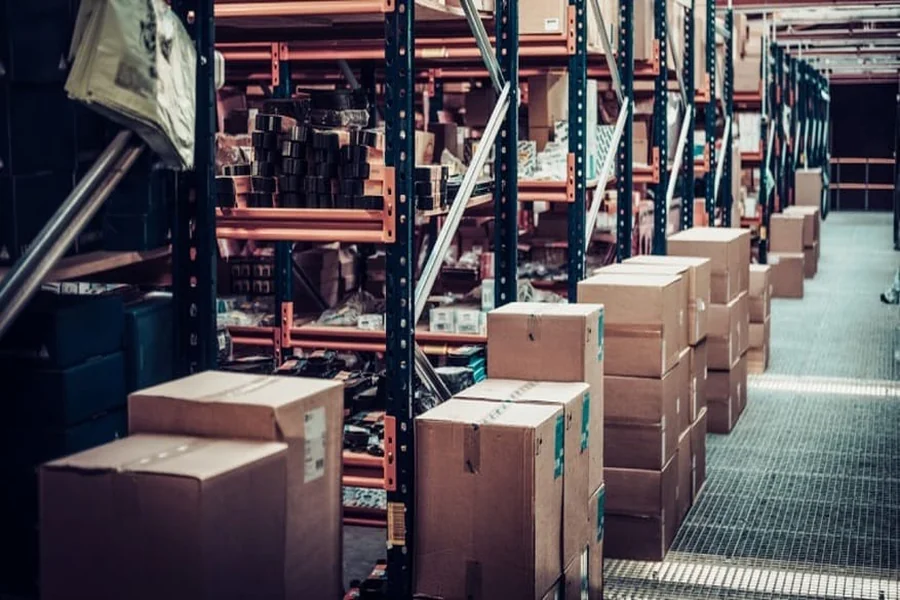
Global trade and commerce are increasingly defined by unpredictability. From natural disasters and geopolitical conflicts to cyberattacks and pandemics, supply chains are exposed to risks that can disrupt even the most established businesses. Building resilience isn’t about eliminating risk altogether. Resilience is all about creating the ability to anticipate, absorb, and adapt to challenges while continuing to deliver value.
This guide explores practical steps companies can take to design supply chains that are not just efficient but also durable and adaptable in the face of disruption.
1. Map and Understand Your Supply Chain Network
A resilient supply chain begins with visibility. Many companies only know their Tier 1 suppliers, but vulnerabilities often lie several layers deeper. By mapping your end-to-end supply network, you can identify critical dependencies and single points of failure.
Techniques such as risk heat mapping, supplier dependency analysis, and even digital modelling allow you to see where your operations are most exposed. Once you understand these weak points, you can start developing contingency plans that reduce reliance on any single supplier or region.
2. Diversify Suppliers and Sourcing Locations
Over-reliance on one supplier, one mode of transport, or one geographic region is a recipe for vulnerability. Disruptions in shipping lanes, political instability, or localized natural disasters can bring entire operations to a halt.
Diversification means sourcing from multiple suppliers, ideally spread across different regions. Near-shoring and reshoring strategies are also gaining popularity, giving companies greater flexibility to pivot when disruptions occur. By diversifying, businesses reduce the risk of catastrophic interruptions and gain more control over continuity of supply.
3. Strengthen Supplier Relationships
The strength of your supplier relationships directly impacts your ability to withstand crises. Strong partnerships foster trust, transparency, and a willingness to collaborate during tough times. Instead of transactional arrangements, businesses benefit from building long-term partnerships with clear communication channels and shared risk-management strategies.
Modern tools like supplier relationship management platforms make this process easier. For example, solutions such as Atamis help organizations monitor supplier performance, enhance collaboration, and create mutual value. By leveraging these systems, businesses can strengthen accountability while building a more adaptive supply chain.
4. Build Visibility and Agility into Operations
Supply chain resilience depends on being able to detect disruptions early and act quickly. This requires visibility into every part of the chain, from inventory levels and production schedules to logistics networks and customer demand patterns.
Real-time monitoring systems and analytics tools enable businesses to anticipate delays, identify bottlenecks, and respond swiftly. Agility is just as important as visibility. Being able to reroute shipments, adjust production, or activate alternative suppliers at short notice can be the difference between a minor disruption and a prolonged crisis.
5. Embed Flexibility and Redundancy
Efficiency often encourages lean practices, but resilience requires balance. Businesses should build in flexibility through backup suppliers, alternative transportation routes, or maintaining a degree of safety stock. While it may seem counterintuitive in a cost-conscious environment, redundancy acts as a buffer against the unknown.
Flexible contracts and agreements that allow for rapid adjustments in supply volumes also help companies adapt without breaking long-term commitments. The goal is to avoid brittleness because if one link in the chain fails, the entire system shouldn’t collapse.
Final Reflection
Resilient supply chains are a necessity for businesses navigating uncertainty. By following the steps in this guide, including diversifying suppliers and embedding agility, technology, and cultural awareness into operations, organizations can fully prepare for disruption rather than be paralyzed by it.
The companies that take resilience seriously today will be the ones that emerge stronger, more trusted, and more competitive tomorrow.
