
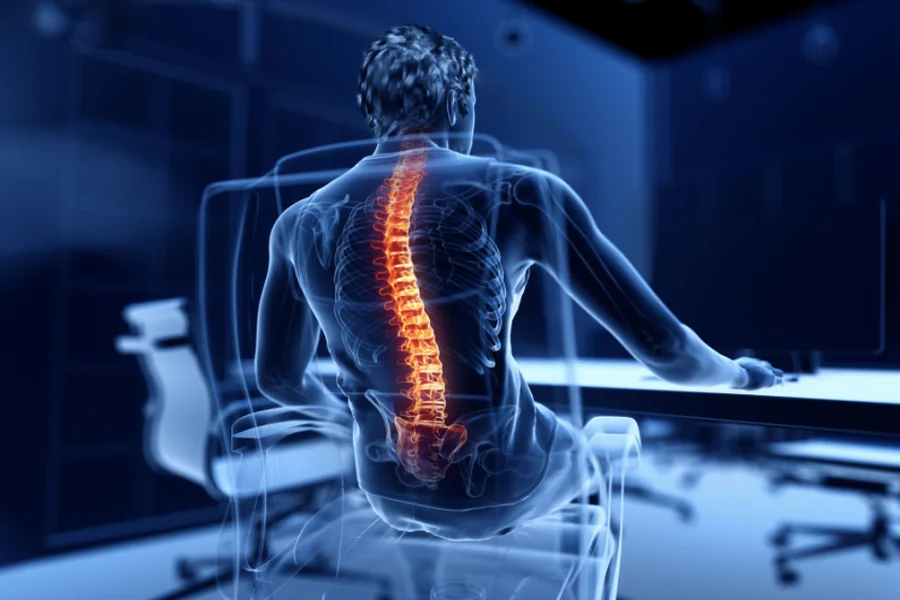
A full-body photo can look balanced in one shot and awkward in the next, even when the camera and outfit stay the same. Posture is often the reason. The position of your shoulders, hips, arms, and feet changes how the body reads in a flat image, so small adjustments can have a surprisingly strong effect.
If the pose is already close to what you want but one detail still feels off, the body editor RetouchMe can help refine the result without rebuilding the whole image. The best approach is to correct only what distracts and keep the original body language believable.
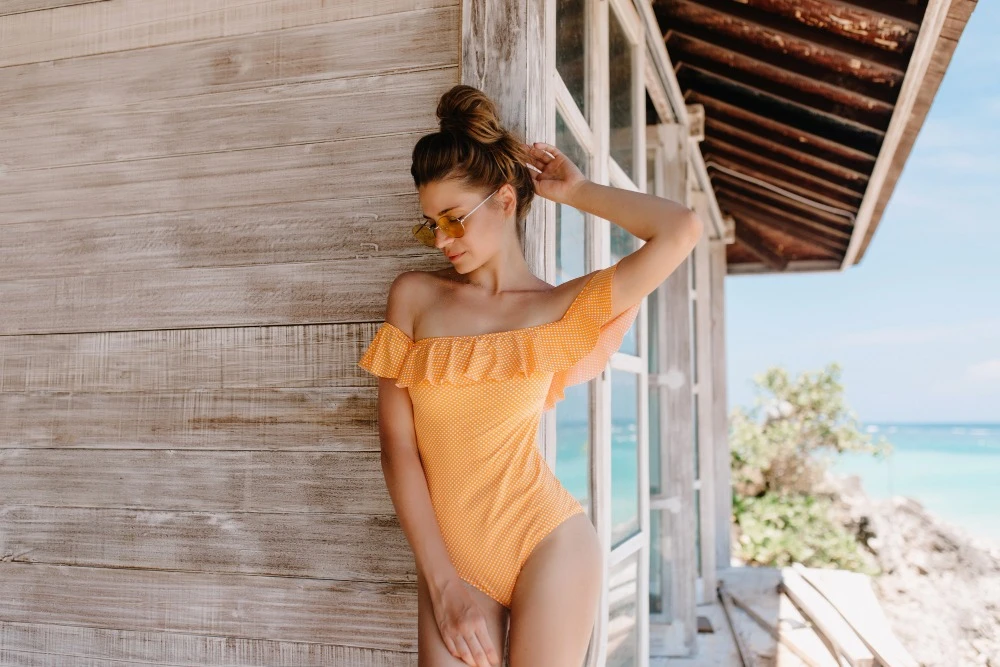
Relaxed Posture Usually Looks Better
Standing “straight” does not mean becoming stiff. Pulling the shoulders too far back or locking the knees can make a pose look tense. Instead, lengthen your spine, relax your shoulders, and keep your weight slightly more on one leg.
A few small changes can help:
-
turn your torso a little instead of facing the camera squarely;
-
keep some space between your arms and body;
-
place one foot slightly in front of the other;
-
avoid locking your knees;
-
keep your chin neutral rather than lifting it too high.
These adjustments create cleaner lines without making the pose feel rehearsed.
Watch What the Camera Does to Your Pose
Even good posture can look different depending on camera height and distance. A very low angle may exaggerate the legs, while a high angle can make the upper body appear smaller. For most full-body shots, keeping the camera around waist or chest height creates more balanced proportions.
Distance matters too. Ask the photographer to step back instead of moving the phone very close. This reduces perspective distortion and gives your pose more room in the frame.
Use Your Hands and Shoulders Naturally
Hands are often what make a pose feel awkward. Pressing your arms tightly against your torso can flatten the silhouette, while stiff fingers draw attention for the wrong reason. Let your hands rest naturally, lightly touch a pocket, or hold an accessory if that feels comfortable.
Shoulders should also stay relaxed. If one shoulder rises because you are tense, the whole pose can look uneven. Take a breath before the photo and reset your posture.
Edit the Pose, Not Your Identity
Sometimes a strong photo still has a small issue caused by movement, clothing, or angle. Editing can help refine an awkward contour, smooth a fabric crease, or correct a minor asymmetry without changing the overall shape of the body.
Compare the edited version with the original at normal viewing size. If the posture still looks natural and the correction does not draw attention to itself, the edit is working.
The most flattering full-body photos usually start with comfortable body language rather than a perfect pose. Good posture gives the camera clearer lines, while careful editing can handle the small details that remain. The goal is not to look posed. It is to look like yourself at your most relaxed and confident.
