
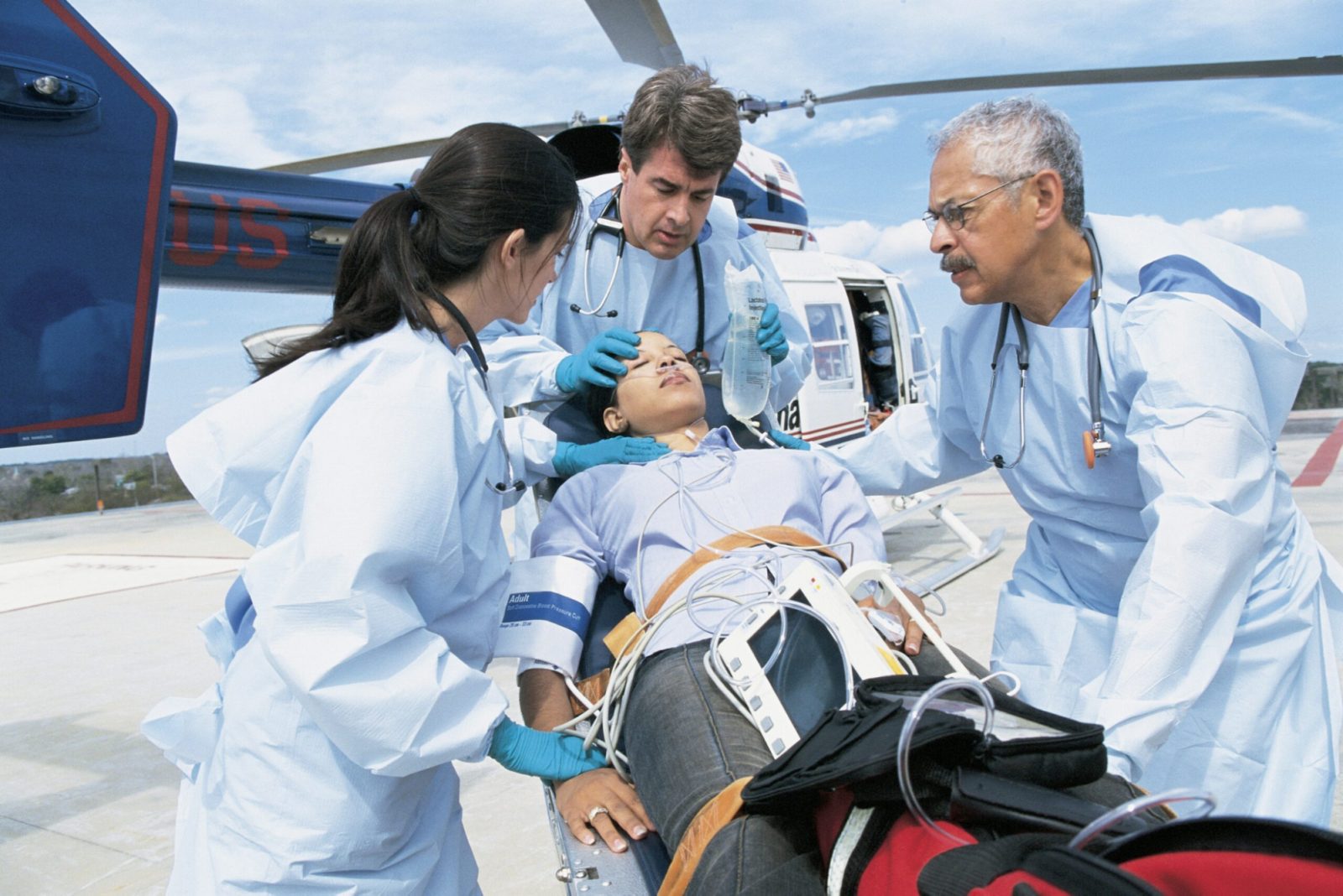
Few medical specialties demand the ability to establish trust as quickly as Emergency Medicine. Patients entering an emergency department are often experiencing one of the most vulnerable moments of their lives. They may be in severe pain, frightened by unfamiliar symptoms, or overwhelmed by the uncertainty of what lies ahead. Unlike physicians who develop relationships with patients over months or years, emergency physicians are expected to build confidence, gather critical information, make complex decisions, and communicate effectively within a remarkably short period of time.
The ability to foster trust under these circumstances is not simply a desirable interpersonal skill. It is an essential component of high-quality medical care. Clinical expertise provides the foundation for diagnosis and treatment, but meaningful patient interactions frequently determine whether individuals feel heard, respected, and confident in the care they receive. Experienced emergency physicians understand that even brief encounters can leave lasting impressions that influence both patient satisfaction and overall health outcomes.
For physicians such as Gianluca Cerri MD, technical proficiency and compassionate communication work hand in hand, reinforcing the principle that exceptional emergency care extends beyond medical intervention alone.
First Impressions Shape the Clinical Encounter
The initial moments of an emergency department visit often establish the tone for the entire patient experience. Patients quickly assess whether their physician appears attentive, confident, and genuinely interested in understanding their concerns. Although emergency departments are characterized by constant activity and competing priorities, patients remain acutely aware of how they are treated during these early interactions.
Simple behaviors carry significant weight. Introducing oneself, maintaining eye contact, listening without interruption, and acknowledging a patient's concerns can immediately reduce anxiety. These actions require little time but communicate professionalism, empathy, and respect. In high-pressure environments where minutes matter, thoughtful communication becomes one of the most efficient tools available to improve patient confidence.
Research has consistently demonstrated that patients who perceive their physicians as approachable and attentive are more likely to understand medical recommendations, adhere to treatment plans, and report positive healthcare experiences. Trust therefore becomes an important contributor to both patient satisfaction and clinical effectiveness.
Listening Is a Clinical Skill
In Emergency Medicine, obtaining an accurate history often requires balancing urgency with careful observation. Patients may struggle to describe their symptoms due to pain, emotional distress, or underlying medical conditions. Family members may provide additional information, while emergency medical personnel contribute observations gathered before hospital arrival. The physician must synthesize these perspectives while rapidly determining the most appropriate course of action.
Effective listening involves more than collecting facts. It requires recognizing subtle details that may influence diagnosis while also acknowledging the patient's emotional state. Individuals frequently seek reassurance that their concerns are being taken seriously, even before definitive answers become available.
Skilled emergency physicians understand that listening enhances diagnostic accuracy as well as patient rapport. Allowing patients an opportunity to express their concerns often reveals valuable clinical information that might otherwise remain undiscovered. At the same time, attentive listening reinforces the perception that medical decisions are being made thoughtfully rather than hastily.
Explaining Complex Decisions with Clarity
Emergency departments routinely confront medical situations involving uncertainty. Diagnostic testing may still be underway, symptoms may evolve over time, and treatment decisions frequently depend upon information that becomes available incrementally. Under these circumstances, clear communication is essential.
Patients generally recognize that medicine cannot always provide immediate certainty. What they value is an honest explanation of the clinical process. Physicians who describe why specific tests are being ordered, what possible conditions are being considered, and what patients should expect during their evaluation help reduce fear while promoting informed decision-making.
Clarity also becomes particularly important when discussing discharge instructions or follow-up care. Patients leaving the emergency department should understand not only their diagnosis, but also warning signs that require immediate medical attention. Effective communication during these conversations contributes directly to patient safety and continuity of care.
Throughout his career, Gianluca Cerri MD has emphasized patient-centered communication as an important element of delivering high-quality emergency medical care, recognizing that informed patients are better equipped to participate in their own recovery.
Compassion Has Measurable Clinical Value
Empathy is sometimes viewed as separate from clinical excellence, yet the two are closely connected. Compassionate care improves the patient experience by reducing emotional distress and strengthening therapeutic relationships. In emergency settings, where patients often arrive frightened and uncertain, empathy provides reassurance during moments of profound vulnerability.
Compassion does not necessarily require lengthy conversations. Small gestures frequently have significant impact. A physician who acknowledges a patient's fears, answers questions patiently, or takes an extra moment to explain the next step in care demonstrates respect for the individual behind the diagnosis.
Importantly, empathy also strengthens communication with family members. Loved ones often experience considerable anxiety while waiting for updates about a patient's condition. Keeping families informed whenever possible fosters trust and reduces uncertainty during emotionally difficult situations.
Professionalism Under Pressure
Emergency departments present continuous operational challenges. Physicians must prioritize critically ill patients, coordinate with multidisciplinary teams, manage unpredictable patient volumes, and make time-sensitive decisions throughout every shift. Despite these demands, professionalism remains essential.
Patients generally evaluate their physicians not only by clinical outcomes but also by demeanor. Remaining composed, respectful, and attentive despite a demanding workload reassures patients that their care remains a priority. Professionalism therefore encompasses emotional intelligence alongside medical expertise.
Maintaining consistency under pressure also influences the broader healthcare team. Physicians who communicate respectfully and collaborate effectively create environments where nurses, technicians, and other clinicians feel empowered to contribute fully. This collaborative culture ultimately enhances both patient safety and operational efficiency.
Trust Continues Beyond the Emergency Department
Unlike many physician-patient relationships, emergency encounters are often brief. Nevertheless, the trust established during those interactions frequently extends beyond discharge. Patients remember physicians who treated them with dignity, explained difficult situations clearly, and demonstrated genuine concern for their well-being.
Positive emergency department experiences can also influence future healthcare decisions. Patients who feel respected are more likely to seek appropriate medical attention when new concerns arise, comply with follow-up recommendations, and maintain confidence in the healthcare system overall.
Although emergency physicians may never see many of their patients again, the quality of those short encounters carries enduring significance. Every interaction contributes to public confidence in medicine and reinforces the importance of compassionate, patient-centered care.
Excellence Begins with Human Connection
Emergency Medicine will always require advanced clinical knowledge, sound judgment, and the ability to make difficult decisions under extraordinary pressure. Yet these technical competencies achieve their greatest value when paired with meaningful human connection. Trust, empathy, and clear communication transform clinical expertise into truly exceptional patient care.
Building trust within minutes is neither accidental nor secondary to medical practice. It is a deliberate skill developed through experience, humility, and a genuine commitment to understanding each patient's perspective. Physicians who master this balance consistently elevate the quality of care they provide while strengthening the relationships that remain at the heart of medicine.
The professional philosophy demonstrated by Gianluca Cerri MD reflects this enduring principle. By combining clinical excellence with compassion, thoughtful communication, and respect for every patient, emergency physicians can create meaningful connections even during the briefest encounters, leaving a lasting impact long after treatment has concluded.
