
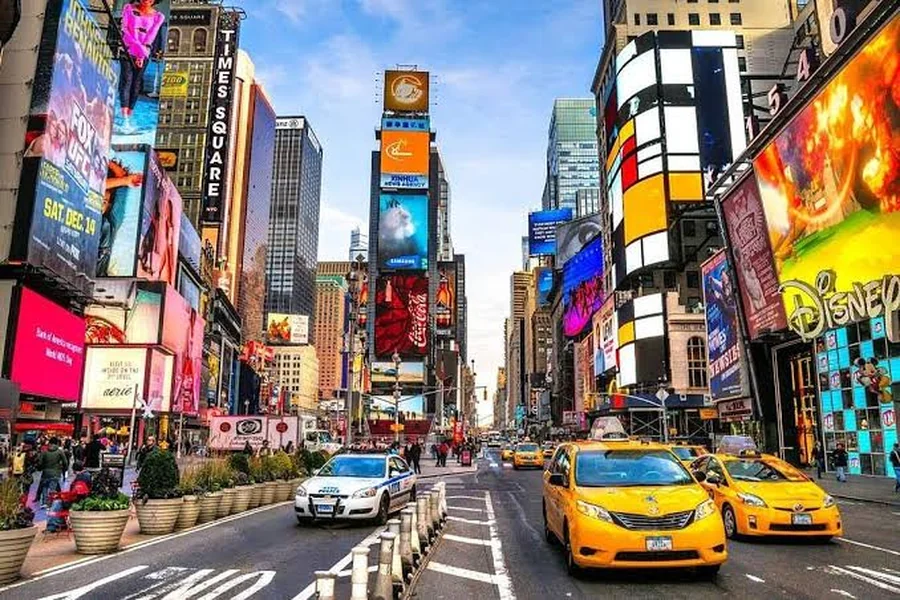
Billboards have been part of the advertising landscape for more than a century, but the way brands use them has changed dramatically. What began as large painted signs designed to capture attention from passing travelers has evolved into a sophisticated medium that combines striking visuals, memorable messaging, technology, data, and even real-time information.
From hand-painted advertisements to digital displays that can change within seconds, billboard advertising has consistently adapted to the way people move through the world. Understanding this evolution offers useful insight into why outdoor advertising remains relevant even as marketing channels continue to expand.
From Painted Signs to Strategic Campaigns
In the early days of modern billboard advertising, businesses relied heavily on large, colorful hand-painted signs to promote products, entertainment, and local services. As automobiles became more common, billboards gained an increasingly important role along roads and highways.
Their size made them difficult to ignore, while short messages helped drivers understand an advertisement without stopping. Today, a billboard advertising agency can approach outdoor campaigns with considerably more strategy.
Location, audience movement, creative design, campaign timing, and digital technology can all influence how an advertisement is developed. Rather than simply placing a large sign where people will see it, modern campaigns can be designed around specific environments and consumer behaviors.
The Rise of National Advertising
During the early and middle decades of the twentieth century, billboards became an important tool for national brands. Companies could use standardized designs across multiple cities, helping consumers recognize familiar products wherever they traveled.
Large-scale campaigns promoted everything from automobiles and household products to food, beverages, movies, and consumer services. The growth of standardized billboard formats also helped make outdoor advertising easier to organize at scale.
Rather than treating each sign as a completely separate project, advertisers could develop recognizable campaigns that would appear across different markets. Strong branding became increasingly important, with logos, product imagery, and concise slogans helping advertisements remain recognizable from a distance.
The Highway Changes Everything
The expansion of the American highway system significantly influenced billboard advertising. As more people traveled by car, roadside advertising became an effective way to reach audiences during commutes and road trips. Billboards could promote nearby restaurants, hotels, attractions, fuel stations, and national brands.
This period also reinforced one of the medium’s defining characteristics: brevity. Drivers typically have only a few seconds to notice and process a roadside advertisement. Consequently, effective billboard designs often emphasize large typography, strong contrast, simple imagery, and messages that are easy to understand.
The highway era helped establish many of the creative principles that still guide billboard design today. A billboard doesn’t have to communicate everything about a product. Instead, it needs to create enough recognition or curiosity to make the message memorable.
Creative Design Takes Center Stage
By the latter part of the twentieth century, billboard advertising increasingly became associated with creative campaigns rather than straightforward product announcements. Advertisers began experimenting with humor, unexpected imagery, clever copy, unusual shapes, and campaigns designed to become part of popular culture.
This creative shift demonstrated that outdoor advertising could do more than deliver information. A well-designed billboard could create an emotional response or become something people talked about after seeing it.
Brands began treating outdoor placements as an extension of broader advertising campaigns, coordinating billboards with television, print, radio, and other marketing channels. The result was a more integrated approach to outdoor advertising. Rather than existing independently, billboards became one component of a larger brand experience.
The Digital Billboard Revolution
The introduction of digital billboards represented one of the biggest changes in outdoor advertising. Rather than relying on a single static image, digital displays can rotate multiple advertisements and update creative without physically replacing printed materials.
This flexibility opened up new possibilities for advertisers. Campaigns can be scheduled around different times of day, seasonal events, or changing circumstances. A single display can also feature multiple advertisers, creating a more dynamic advertising environment.
Digital technology also changed the creative possibilities of billboards. Motion, animation, changing messages, and time-sensitive content can make displays feel more connected to their surroundings. However, the fundamental challenge remains: the message still needs to make an impression quickly.
The Modern Billboard Is Interactive
Today’s most innovative billboards can incorporate technology in ways that would have been difficult to imagine decades ago. Some campaigns use QR codes, social media marketing connections, live data, interactive displays, or changing creative to encourage audiences to engage beyond the initial impression.
This doesn’t mean traditional billboard principles have disappeared. If anything, the abundance of technology makes clarity even more important. A successful digital or interactive billboard still needs an instantly recognizable idea, compelling visuals, and a message that works within a limited viewing window.
Where Billboard Advertising Goes Next
The history of billboard advertising is largely a history of adaptation. Painted signs evolved into standardized roadside displays, which developed into creative campaigns, digital screens, and increasingly data-informed experiences. Yet the core purpose has remained remarkably consistent: put a message in an audience’s path and make it memorable.
From hand-painted signs to digital displays, billboards have survived changing media habits by changing with them. Their evolution demonstrates that while advertising technology may transform, the value of reaching people in the right place, at the right moment, with a message they remember remains a powerful concept.
