
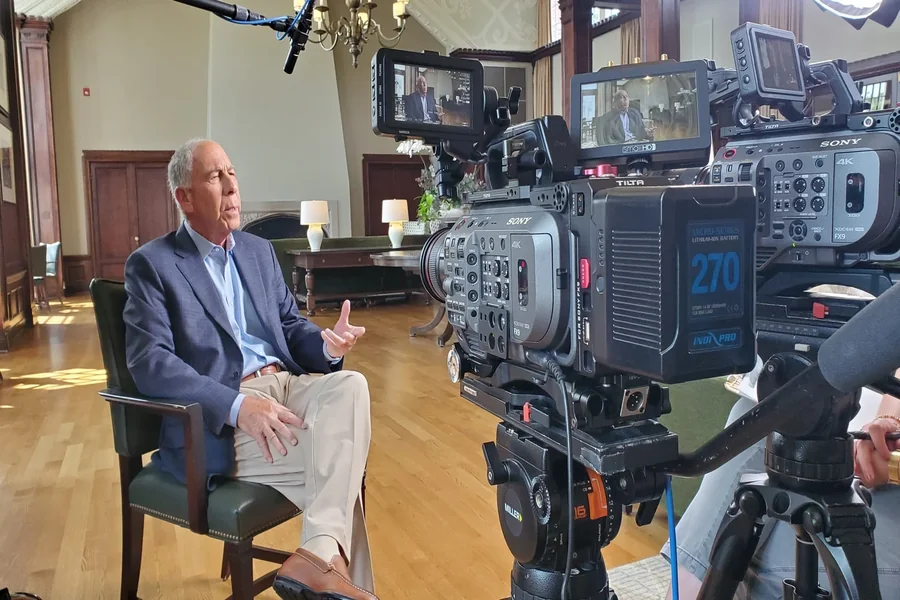
In a feed filled with quick takes, polished promotion, and recycled talking points, memorable stories still begin with careful attention. Whether you are profiling an artist, interviewing a founder, or documenting how a project came together, the goal is not simply to collect information. It is to help readers understand what mattered, what changed, and why they should care. Writers such as Alexandra Chipurnoi show the value of incorporating personality, perspective, and lived experience into the story rather than treating them as decoration.
The strongest digital stories feel both immediate and useful. They give readers a real person or situation to follow, then add enough reporting and context to make the experience trustworthy. A compelling interview does not require a celebrity subject or a dramatic crisis. It requires strong questions, honest details, and a clear reason for telling the story now.
Why Human Stories Matter..
Audiences can spot empty praise quickly. They respond more deeply when a story acknowledges uncertainty, effort, setbacks, and specific decisions. Creator-led publishing now overlaps with journalism, entertainment, education, and community building, which makes credibility more important, not less. A recent discussion about the creator economy and the AI era highlighted how creators are reshaping entertainment through direct audience relationships and professional content systems. This conversation about the future of the creator economy offers a useful reminder that attention may introduce a story, but trust is what encourages people to return.
What Makes A Story Memorable..
A memorable profile or interview usually has five elements: a clear person, problem, or question; a specific setting; revealing details; a moment of change; and a takeaway that matters to the reader. These elements turn information into narrative.
Compare a vague opening, such as “Maya is a talented performer with an exciting career,” with a scene: “Ten minutes before rehearsal, Maya stood alone in the wings, repeating the one line she had been afraid to say for months.” The second version creates tension, place, and a reason to keep reading. It also creates room to explore the work behind the public result.
How To Find The Real Story..
The first answer is rarely the whole answer. Public-facing people are accustomed to explaining their work in polished language, so the writer’s job is to look beneath the biography. Ask what was difficult, surprising, costly, or unexpectedly meaningful. The hidden thread may be a career pivot, a failed launch, a mentor’s advice, or an overlooked colleague who kept a production moving.
Research Before The Conversation..
Review the subject’s work, public comments, and recent projects.
Identify turning points, setbacks, contradictions, and unusual choices.
Separate confirmed facts from assumptions you need to test.
Prepare open-ended questions that cannot be answered with yes or no.
Look For The Hidden Thread..
Strong stories connect details rather than presenting them as a list. A producer’s failed project might explain why they now plan more carefully. A designer’s quiet support role may reveal how a larger creative team succeeded. When several moments point to the same idea, such as resilience, risk, or collaboration, you have found a useful organizing thread.
How To Ask Better Questions..
Good interviews are conversations with a purpose. Start broad enough to let the subject speak naturally, then become more specific as patterns appear.
Start with the beginning: Ask when the interest, problem, or idea first appeared.
Move to the challenge: Ask what made the path harder than expected.
Ask for a moment: Request a real scene, decision, exchange, or mistake.
Test the lesson: Ask what changed because of the experience.
End with the future: Ask what they want to try, improve, or understand next.
Short follow-ups often matter most. “What happened next?” “Can you give an example?” and “How did that feel at the time?” invite detail without forcing the subject toward a predetermined answer. Listen for phrases that are concrete, unexpected, or emotionally precise, then ask the next question from there.
How To Build A Clear Structure..
Notes and transcripts are raw material, not a finished article. Avoid writing the conversation in the exact order it happened. Instead, choose the sequence that gives readers the clearest path through the story.
A Simple Four-Part Format..
The hook: Open with a vivid moment, telling detail, or meaningful quote.
The background: Give enough context to establish who the subject is and what is at stake.
The turning point: Show the choice, challenge, failure, or discovery that changed the direction.
The takeaway: Close with an insight that extends beyond the individual story.
Chronology is useful only when it serves clarity. Beginning near the point of greatest tension, then stepping back to explain how the subject arrived there, can make even a quiet story more engaging.
How To Use AI Without Losing The Human Voice..
AI can help organize research, clean up a transcript, compare headline ideas, or create a working outline. It cannot replace the writer’s responsibility to understand context, protect privacy, and represent a person fairly. Discussions about AI and creative work continue to raise questions about consent, training data, originality, and human direction. Reporting on AI and entertainment leaders reflects why creators should treat these issues as editorial decisions, not merely technical ones.
Verify every factual claim against reliable sources.
Never invent quotes, scenes, or personal details.
Preserve the subject’s intended meaning and natural tone.
Disclose tool use when a publisher, client, or audience expects it.
Use human review for accuracy, fairness, and privacy.
How To Add Proof And Context..
Research makes a personal story more valuable when it explains the larger setting without overwhelming the reader. Check names, dates, job titles, and numerical claims. Use public records, reputable industry reports, academic research, or expert interviews when they clarify the subject’s experience. One well-explained statistic is usually more effective than a paragraph packed with figures.
Common Mistakes To Avoid..
Opening with a generic statement that could describe anyone.
Repeating a résumé without adding insight or tension.
Using long quotes without explaining their importance.
Making claims that the available evidence cannot support.
Avoiding difficult questions simply to maintain a positive tone.
Adding trends or technology references that do not serve the story.
Ending without showing why the subject’s experience matters.
A Simple Publishing Checklist..
Does the opening create immediate interest?
Is the main subject and central question clear?
Does every section contribute new information?
Are quotes accurate, relevant, and properly framed?
Have names, facts, and figures been checked?
Does the story offer readers a useful insight?
Are headings, lists, and paragraphs easy to scan?
Does the closing leave readers with a clear final thought?
Conclusion..
Memorable digital stories do not depend on perfect subjects or extraordinary events. They depend on attention, care, reporting, and a clear point of view. When writers listen closely, verify what they learn, and shape real experiences into a readable structure, even an understated story can earn lasting attention.
