Personalized player dashboards have become an important part of modern gaming experiences. Players no longer expect a simple profile page that only shows a username, avatar, and basic statistics. They want dashboards that feel relevant to their progress, interests, achievements, rewards, events, community activity, and preferred ways of playing. For game studios, this creates a major content challenge. A dashboard may need to display dynamic missions, personalized recommendations, seasonal updates, player milestones, marketplace content, tutorial guidance, and regional announcements at the same time.
A headless CMS can help studios build these dashboards in a more flexible and scalable way. By separating content from the front-end interface, teams can manage personalized content in one structured system and deliver it across websites, launchers, mobile apps, and in-game experiences. This makes it easier to create dashboards that feel fresh, relevant, and connected to the wider game world without rebuilding content every time the player experience changes.
Building Dashboards Around the Player Journey
A personalized player dashboard should reflect where each player is in their journey. A new player may need onboarding tips, beginner challenges, basic progression guidance, and explanations of key features. A returning player may want updates on what has changed since their last session, while an experienced player may care more about ranked performance, advanced rewards, limited-time events, or community achievements. Learn about it to discover how structured content management can help gaming studios deliver more personalized and relevant dashboard experiences. If every player sees the same dashboard content, the experience can quickly feel generic.
A headless CMS helps studios organize dashboard content around different stages of the player journey. Content teams can create structured entries for tutorials, recommendations, reward reminders, event notices, achievement highlights, and progression messages. These entries can then be delivered based on player data, such as account age, level, activity history, game mode preference, or region. This allows the dashboard to feel more useful because it presents information that matches the player’s current needs instead of overwhelming them with content that may not apply.
Separating Dashboard Content from Interface Design
One of the biggest advantages of using a headless CMS for player dashboards is the separation between content and design. In traditional systems, dashboard content may be tightly connected to a specific page layout or user interface. This can make it difficult to update messages, add new content sections, or test different experiences without requiring development work. For live games, where content changes regularly, this kind of rigid setup can slow down the entire team.
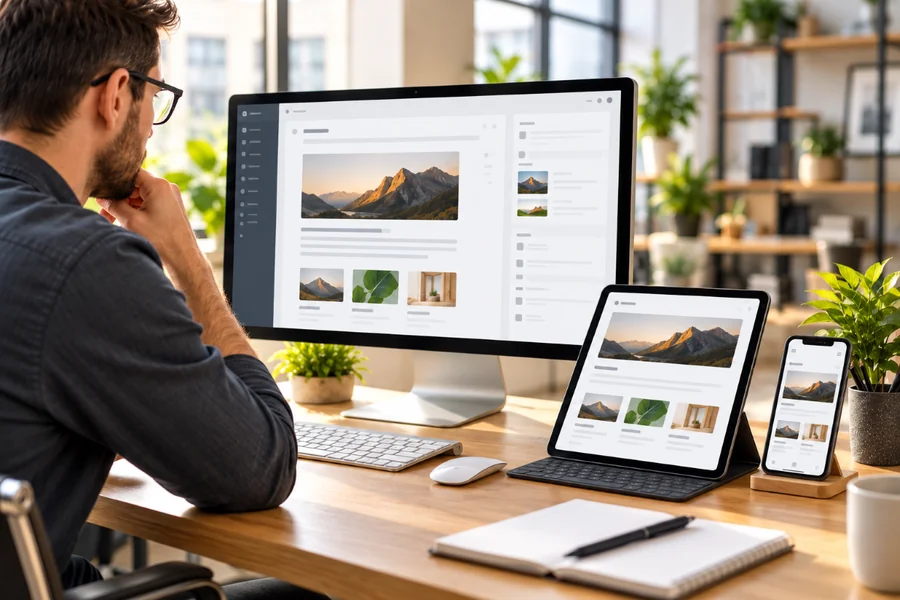
With a headless CMS, content is managed independently from how it appears on the screen. Developers can build the dashboard interface, while content teams manage the messages, cards, banners, descriptions, recommendations, and announcements that fill it. This means a studio can update dashboard content without rebuilding the whole dashboard. A seasonal event banner, new mission reminder, or personalized reward message can be added through the CMS and delivered through APIs to the player interface. This creates a smoother workflow between developers, designers, marketers, and live operations teams.
Delivering Relevant Content Based on Player Behavior
Personalized dashboards become more valuable when they respond to how players actually engage with the game. A player who frequently joins competitive matches may want ranked updates, performance insights, tournament reminders, and skill-based challenges. A player who focuses on exploration may prefer world events, collectible progress, lore updates, and discovery-based missions. Another player may mainly care about cosmetics, social features, or limited-time rewards. A one-size-fits-all dashboard cannot serve all of these interests equally well.
A headless CMS can support behavior-based content delivery by storing modular content that can be matched to different player segments. Teams can create content entries for specific play styles, activity levels, interests, and goals. When connected with player data systems, the dashboard can show the most relevant content for each user. This does not mean every part of the dashboard needs to be fully automated. Even simple segmentation can make the experience feel more personal. The result is a dashboard that helps players quickly find what matters most to them.
Managing Seasonal and Live Event Content More Efficiently
Live games often depend on seasonal events, limited-time missions, temporary rewards, and rotating challenges to keep players engaged. These updates need to appear clearly on player dashboards so users know what is available, when it ends, and why they should participate. If this content is managed manually or hardcoded into the dashboard, every new event can create unnecessary work for developers and content teams.
A headless CMS gives studios a structured way to manage seasonal dashboard content. Event cards can include fields for event names, start dates, end dates, reward descriptions, images, call-to-action text, eligibility rules, and regional availability. When a new season begins, teams can create new entries using existing models instead of rebuilding the dashboard structure. This makes it easier to keep the dashboard current throughout the year. Players benefit because they receive timely event information in a clear format, while teams benefit from a more organized and repeatable publishing process.
Supporting Regional and Language-Based Personalization
Global gaming communities need dashboards that work across different languages, regions, and cultural expectations. A player in one market may need different event information, support links, promotional messages, or timing details than a player in another region. If all dashboard content is managed as one fixed experience, localization becomes difficult. Teams may need to duplicate content manually, which increases the risk of mistakes and inconsistencies.
A headless CMS can support regional personalization by allowing teams to manage language versions and market-specific variations within the same content structure. A dashboard announcement can have one global version and several localized versions, each adapted for a specific audience. Regional teams can adjust wording, event timing, links, and legal details while still working from the same approved content model. This helps maintain global consistency while giving local teams enough flexibility to make the dashboard feel relevant. For players, this creates a more natural experience because the content feels designed for their region rather than simply translated at the last moment.
Creating Modular Dashboard Components for Different Player Needs
A player dashboard often includes many different content areas, such as achievements, missions, news, rewards, account progress, event reminders, store highlights, social updates, and support notices. Managing all of these areas as one large block of content can become difficult as the game grows. Every update may require changes to the full dashboard instead of a single section, which slows down content operations and makes personalization harder.
Headless CMS architecture works well with modular dashboard components. Each content block can be managed as a reusable module, such as a reward card, mission card, event banner, tutorial panel, performance summary, or news update. These modules can be arranged differently depending on the player’s profile, platform, region, or behavior. A new player might see onboarding modules first, while a long-term player might see advanced challenges and loyalty rewards. This modular approach gives studios more control over the dashboard experience and makes it easier to update individual sections without disrupting the entire layout.
Connecting Dashboard Content Across Multiple Platforms
Players often interact with games through more than one platform. They may check updates on a website, review rewards in a mobile app, open a launcher before playing, and then continue their experience inside the game. If dashboard content is managed separately for each platform, the experience can become inconsistent. A reward may appear in one place but not another, or an event message may be updated on the website but remain outdated in the launcher.
A headless CMS helps solve this by acting as a central content source for multiple platforms. The same structured dashboard content can be delivered through APIs to different front-end experiences. Each platform can display the content in a format that fits its design, but the core information remains consistent. This is especially useful for personalized dashboards because player-facing messages, event reminders, and reward descriptions can stay aligned across every touchpoint. Players receive a more connected experience, while teams avoid recreating the same content for every channel.
Improving Collaboration Between Game Teams
Creating a personalized player dashboard requires input from many teams. Developers build the technical foundation, designers shape the interface, marketers plan campaign messages, community teams understand player expectations, localization teams adapt content, and live operations teams manage events and rewards. Without a clear content system, collaboration can become messy. Teams may work from different documents, use outdated assets, or struggle to understand which dashboard content is ready to publish.
A headless CMS improves collaboration by giving teams a shared workspace for dashboard content. Content can move through review, approval, localization, and publishing workflows in a more organized way. Each team can contribute without overwriting another team’s work or relying on long chains of manual communication. For example, a live operations team can prepare a reward message, a localization team can translate it, and a marketing team can align it with campaign language before it appears in the dashboard. This creates a stronger workflow and helps the final player experience feel more polished.
Using Personalization to Encourage Player Retention
A personalized dashboard can play an important role in player retention. When players log in and immediately see content that connects to their progress, goals, and interests, they are more likely to stay engaged. A dashboard can remind them about unfinished missions, upcoming events, earned rewards, new challenges, or content they may have missed. These small reminders can help players understand what to do next and give them a reason to return.
A headless CMS supports retention-focused content by making it easier to create targeted messages for different player groups. Teams can prepare dashboard content for inactive players, loyal players, new users, competitive players, casual players, or players who have reached specific milestones. Instead of relying only on broad announcements, studios can create more meaningful communication. This makes the dashboard feel less like a static information page and more like a personal guide. Over time, this can strengthen the relationship between the player and the game.
Keeping Dashboard Content Fresh Without Constant Rebuilds
Player dashboards need to stay fresh to remain useful. If the same messages, banners, and recommendations remain unchanged for too long, players may stop paying attention. However, constantly updating dashboard content can be difficult if every change requires developer support or a full deployment. This creates a problem for live games that need regular communication around events, rewards, updates, and community activities.
A headless CMS allows teams to update dashboard content more frequently without rebuilding the underlying system. Content teams can schedule new announcements, rotate featured events, update reward information, and adjust messaging based on campaign calendars. Developers can focus on maintaining the dashboard framework, while non-technical teams manage the content inside it. This gives studios more agility and helps keep the player experience active. For players, a regularly updated dashboard signals that the game world is alive, changing, and worth checking often.
Measuring Dashboard Performance and Improving Content Strategy
A personalized dashboard should not only display content. It should also help teams understand what players respond to. Studios can learn which dashboard cards receive clicks, which event reminders drive participation, which recommendations are ignored, and which messages encourage players to return. Without this feedback, teams may continue publishing dashboard content without knowing whether it is actually useful.
When dashboard content is structured through a headless CMS, it becomes easier to connect content entries with performance data. Teams can compare how different messages, layouts, regions, and player segments perform over time. This allows them to improve the dashboard based on real behavior rather than assumptions. For example, a studio may discover that shorter reward reminders perform better for casual players, while detailed challenge explanations work better for competitive audiences. These insights help content teams refine their strategy and make future dashboard experiences more relevant and effective.
Conclusion
Personalized player dashboards are becoming much more than simple profile pages. They are evolving into central hubs where players can understand their progress, discover events, claim rewards, receive recommendations, and stay connected to the wider game community. To support this kind of experience, studios need a content system that is flexible, structured, and capable of delivering relevant information across different platforms and player groups.
A headless CMS helps make this possible by separating content from design, supporting modular dashboard components, enabling localization, improving collaboration, and allowing teams to update content without constant rebuilds. It gives studios the tools to create dashboards that feel personal, timely, and useful. For players, this means a smoother and more engaging experience. For game teams, it creates a scalable content foundation that can support continuous updates, long-term retention, and stronger community engagement.
