
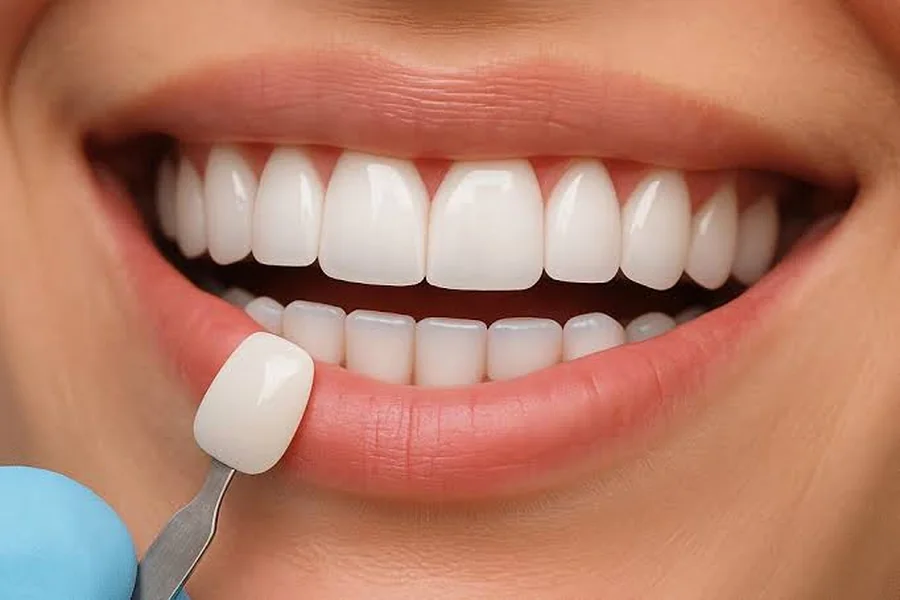
A small chip, uneven edge or stubborn discolouration can change how you feel about your smile. Veneers offer one way to improve the appearance of teeth, but the best results depend on more than choosing a shade of white. Your bite, tooth structure and long-term dental health all matter.
Before committing to treatment, it helps to understand what veneers can fix, what they cannot, and how to decide whether they are the right option for you. If you are exploring veneers in Singapore, start by looking at the condition of your teeth and the changes you actually want to make, rather than aiming for a particular look.
Know What Veneers Can Fix
Veneers are thin coverings bonded to the front surfaces of teeth. Depending on the material and your dental condition, they can improve the appearance of discolouration, small chips, minor gaps and uneven tooth shapes. They are often considered when whitening alone will not achieve the desired result.
However, veneers are not a universal solution. They do not correct every alignment problem, treat gum disease or automatically resolve a poor bite. If a tooth is significantly damaged or weakened, another restoration may be more suitable.
Consider someone whose front teeth have different lengths and mild staining. Veneers might help create a more even appearance, but if the main concern is that the teeth are crowded, orthodontic treatment may address the underlying issue more appropriately. The right choice depends on the cause, not just the visible symptom.
Compare Materials Carefully
Two common veneer options are porcelain and composite resin. Both can improve the appearance of teeth, but they differ in cost, durability, maintenance and how they are made.
Porcelain veneers are made outside the mouth and bonded to the teeth. They generally resist staining better than composite resin and can provide a natural-looking finish. Composite veneers are made using tooth-coloured resin applied directly to the teeth or fabricated separately. They may be more affordable and easier to repair, although they can stain or wear more readily.
Here is a practical way to compare them:
- Choose porcelain for consideration if long-term appearance and stain resistance are high priorities and the higher initial cost fits your budget.
- Consider composite resin if you prefer a potentially less expensive option or want a restoration that may be easier to repair.
- Ask about alternatives if preserving natural tooth structure is your main concern.
Neither material is automatically best. Your dentist can explain which option suits your enamel, bite and expectations.
Understand the Trade Offs
One detail that deserves more attention is how much natural tooth structure must be removed. Some veneer treatments require the dentist to reshape the front surface of a tooth so the finished veneer fits properly. Because enamel does not grow back, this can be an irreversible decision.
The amount of preparation varies. Some cases may qualify for minimal-preparation or no-preparation veneers, but these are not suitable for everyone. Placing a veneer without enough room can make a tooth look bulky or affect how the teeth meet.
This creates an important trade-off: the goal is not simply to make teeth look better, but to achieve the desired result while preserving as much healthy tooth structure as possible. Ask your dentist to explain the planned preparation for each tooth before agreeing to treatment.
Plan Beyond the First Appointment
The initial price is only one part of the decision. Veneers can require replacement or repair over time, and the cost of future treatment depends on the material, the condition of the restoration and how well you care for your teeth.
For example, imagine you are considering veneers for four front teeth. A lower upfront quote might appear attractive, but it may not include every consultation, temporary restoration or follow-up visit. Comparing written treatment plans gives you a clearer picture of the overall commitment.
Ask these questions before proceeding:
- What is included in the quoted fee?
- How many appointments are expected?
- What happens if a veneer chips or becomes detached?
- What maintenance or future replacement costs should I anticipate?
These details help you compare treatment plans fairly instead of choosing based on the headline price alone.
Protect Your Veneers Daily
Veneers are designed to withstand normal use, but they are not indestructible. Biting hard objects, chewing ice or using your teeth to open packaging can damage the restoration. People who grind or clench their teeth may also place extra stress on veneers.
A sensible routine includes brushing twice daily with fluoride toothpaste, cleaning between your teeth and attending regular dental reviews. Your dentist may recommend a night guard if you grind your teeth during sleep.
Remember that veneers cover only part of a tooth. The natural tooth beneath and the surrounding gum tissue still need care. Decay near a veneer margin or gum problems can affect the long-term success of treatment, even if the visible surface initially looks perfect.
Make the Decision Personal
The most useful consultation is one that starts with your priorities. You might want to close a small gap, improve the shape of one chipped tooth or create a more balanced appearance across several teeth. Each goal can lead to a different treatment plan.
Ask to review the proposed changes, the expected limitations and any alternatives before making a decision. Photographs, digital previews or temporary mock-ups may help you understand the likely appearance, although they cannot guarantee the final result. If you are comparing treatment options,Brightside Dental is one place to explore further information about dental care and veneer treatment.
Ultimately, a good veneer decision balances appearance, function, tooth preservation and long-term maintenance. Take time to understand the trade-offs, ask questions that address your specific concerns and choose a plan that supports your dental health as well as your confidence. A smile that feels right for you is a better goal than simply chasing the whitest possible teeth.
