
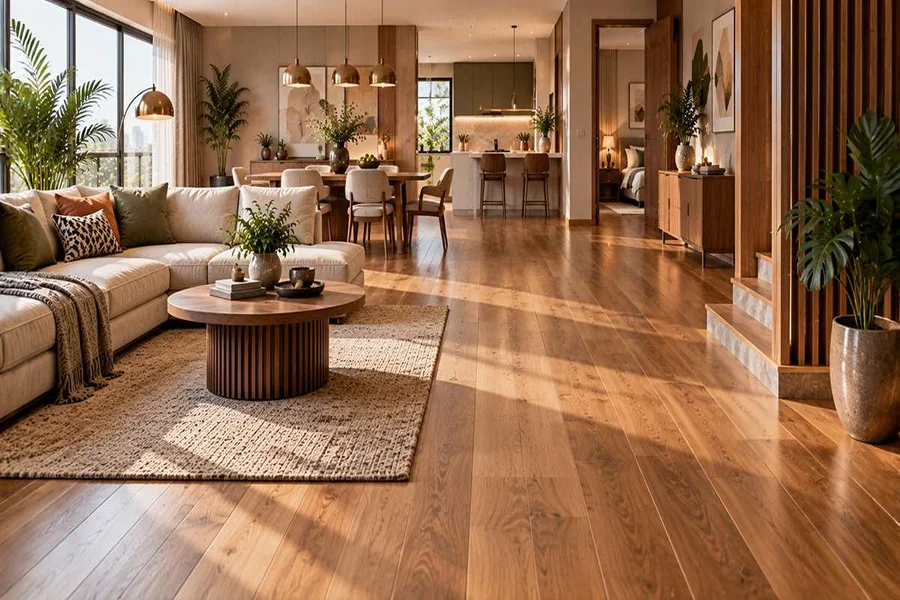
Choosing new flooring is easy when you focus on colour and style. The harder part is finding a surface that can handle your daily routine without becoming difficult to maintain, showing wear too quickly or costing more than expected over time.
The smartest choice starts with how you use each room. Before comparing finishes, speak with a flooring specialist in Singapore if you need help assessing suitable materials for your home. The right advice can help you look beyond showroom samples and understand how different flooring options may perform under real living conditions.
Start With Your Daily Routine
A floor that works beautifully in a quiet guest room may struggle in a busy living area. Think about who uses the space, how often people walk through it and whether spills, furniture movement or pets are part of everyday life.
For example, a family with young children may prioritise easy cleaning and resistance to scratches. Someone furnishing a spare bedroom may care more about appearance and comfort underfoot. Neither needs the same flooring solution, even if both rooms are in the same home.
Make a quick list of your priorities before shopping:
- Daily traffic: Consider how many people use the room and how often.
- Moisture exposure: Identify areas where spills, humidity or wet footwear are common.
- Maintenance: Decide how much time you want to spend cleaning and caring for the surface.
- Long-term plans: Consider whether you expect to renovate again or keep the flooring for many years.
This simple exercise gives you a practical way to compare options without getting distracted by attractive displays.
Look Beyond The Surface
Two floors can look almost identical but behave very differently. Their core materials, surface finishes and installation methods affect how they respond to daily wear.
Wood-look flooring, for instance, can create a warm appearance without using solid timber. However, the fact that two products share a similar colour and grain pattern does not mean they have the same resistance to moisture, impact or scratches.
Ask what the product is made from, how its surface is protected and what the manufacturer recommends for cleaning. If you are considering flooring for a kitchen, entrance or another area exposed to moisture, check the product’s suitability for that specific environment rather than relying on a general claim that it is waterproof.
The useful question is not simply which floor looks best today. It is which material can maintain the appearance you want under the conditions it will actually face.
Calculate The Real Cost
The cheapest quote does not always lead to the lowest overall cost. A flooring project involves more than the price per square metre, and overlooking preparation work can make an apparently affordable option more expensive than expected.
Imagine a 50-square-metre room where one flooring option costs S30persquaremetreandanothercostsS38. The material costs would be S1,500andS1,900 respectively, creating a S$400 difference before installation and other expenses.
That gap may look significant, but the comparison is incomplete until you include the full project cost. Ask whether the quotation covers removal of existing flooring, disposal, subfloor preparation, installation, skirting and finishing. Also check whether additional work could be charged separately.
A useful decision rule is to compare at least two complete quotations based on the same room measurements and scope of work. This makes it easier to identify genuine savings instead of simply choosing the lowest starting price.
Check The Floor Beneath
Even a high-quality flooring product can disappoint when installed over an unsuitable surface. Uneven areas, moisture problems and poor preparation can affect the finished result, regardless of how attractive the material looked before installation.
This is particularly important when renovating an older property. The existing floor may appear sound while hiding uneven patches or conditions that need attention before new flooring goes down.
Ask the installer how the subfloor will be inspected and prepared. Find out whether levelling, moisture checks or removal of existing materials may be necessary. Request a clear explanation of which preparation tasks are included in the quotation.
There is a trade-off worth understanding here. Spending more on preparation can increase the initial bill, but skipping necessary work may create problems that are harder and more expensive to correct once the new floor is installed.
Match Maintenance To Reality
Every flooring choice comes with some form of upkeep. The best option is one whose care requirements fit your habits, not an ideal routine you are unlikely to follow.
A household that frequently brings in rainwater or spills drinks may benefit from a surface that is easy to wipe clean. Someone who prefers natural materials should understand whether the chosen finish needs special cleaning products or periodic maintenance.
Before making a decision, ask three specific questions: What cleaning products should I avoid? Can minor scratches or damaged sections be repaired? What happens if a section needs replacing several years later?
The final question is easy to overlook. A floor that allows individual sections to be replaced may offer a practical advantage over one that requires a much larger area to be removed. However, repairs depend on the product, installation method and availability of matching materials, so confirm these details before committing.
Make The Final Comparison
Once you have shortlisted your options, compare them against the same set of requirements. A simple scoring system can help you avoid choosing a floor based on appearance alone.
Rate each option from one to five for durability, moisture suitability, maintenance, appearance and total installed cost. Give greater weight to the factors that matter most in your household. For example, moisture performance may deserve more attention in a frequently used entrance than in a dry bedroom.
Also, ask for a sample and view it under your home’s lighting. A finish that looks subtle in a brightly lit showroom may appear darker or more reflective in a room with limited natural light. If possible, place the sample beside your furniture and wall colours before making the final choice.
If you want to explore suitable materials and professional guidance, you can learn more about Floor Xpert Pte Ltd as part of your research. Use the information you gather to ask focused questions about product suitability, installation requirements and aftercare rather than relying on appearance alone.
The best flooring decision balances how a room looks with how it functions every day. By checking the material, calculating the full cost, inspecting the subfloor and being realistic about maintenance, you can choose a surface that suits your home now and remains practical for years to come.
