
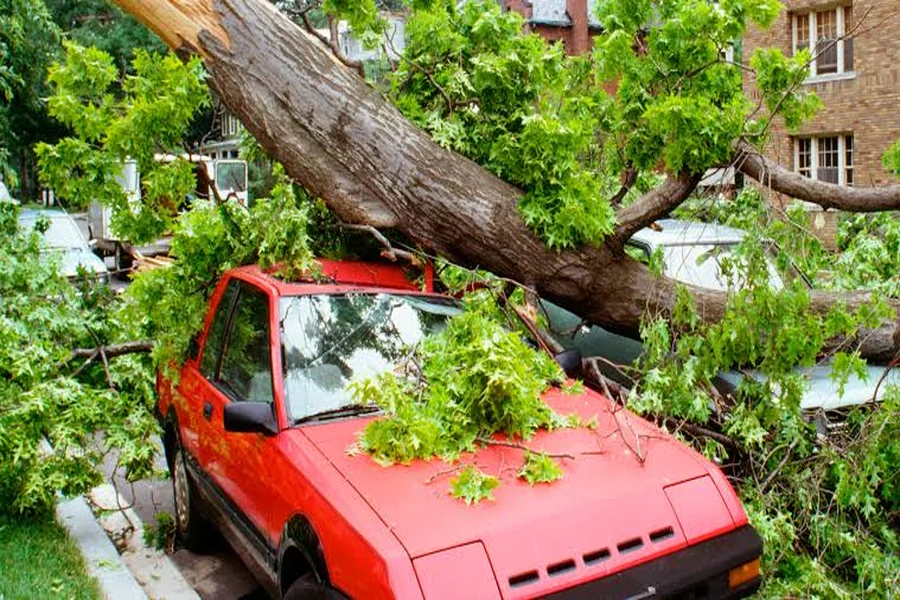
Fall has a reputation for crisp mornings, colorful leaves, and cozy evenings, but the season can also bring some unpredictable weather. One minute, you’re admiring the foliage. The next minute, heavy rain and gusty winds are sending those leaves across the yard. Thunderstorms, hail, high winds, flooding, and even early snow can all make an appearance.
Fortunately, preparing your home doesn’t have to be complicated. Knowing what to do before, during, and after a fall storm can help you protect your home, stay comfortable, and avoid making stressful decisions when the weather takes a turn.
Before the Storm
Proper preparation begins in advance. Here are a few steps you can take to set your home up for success as best as possible.
Pay Attention to the Forecast
Preparation starts with knowing what’s headed your way. During the fall, get into the habit of checking the local forecast regularly, especially when meteorologists are tracking potentially severe weather.
If a storm is approaching, enable weather alerts on your phone and pay attention to watches and warnings. This is also the time to charge phones, tablets, portable battery packs, and other essential electronics. A fully charged phone becomes especially valuable if the electricity goes out and you need weather updates or emergency information.
Get Your Home Ready Before the Wind and Rain Arrive
Don’t wait until patio furniture starts migrating across the lawn. Before strong winds arrive, bring lightweight furniture, decorations, toys, gardening supplies, and other loose objects indoors. Secure anything that can’t easily be moved.
Take a quick look around the house, too. Clear leaves and debris from gutters and drains so rainwater can flow freely. Check doors and windows for obvious problems, and look for loose branches that could become hazards during high winds.
Prepare for a Power Outage Before the Lights Go Out
Fall storms and power outages can go hand in hand. Stocking a few basics ahead of time can make losing electricity much easier to manage. Keep flashlights, batteries, drinking water, shelf-stable foods, portable chargers, and necessary medications in an accessible place.
Homeowners who experience frequent outages may also consider a standby generator as part of their emergency preparedness strategy. Backup power can help keep important household systems and appliances operating when the electrical grid goes down.
During the Storm
Once the storm rolls your way, there are a few ways you can keep yourself and your family safer and more comfortable.
Head Inside and Stay There
Once severe weather arrives, your best bet for sightseeing is indoors. Stay away from windows and exterior doors, particularly when storms bring high winds, lightning, or hail.
Bring pets inside, keep everyone together, and choose a safe indoor location if conditions worsen. Most importantly, resist the temptation to venture outside to investigate every loud bang. Fallen branches, lightning, flying debris, and flooding can remain dangerous throughout the storm, so let the weather finish its performance from a safe distance.
Stay Informed Without Gluing Yourself to the Window
When a storm gets loud, curiosity can make it tempting to peek outside every few minutes. However, your windows aren’t the best place to watch a storm. Instead, keep tabs on conditions through local weather alerts, emergency notifications, and trusted news sources.
If the power goes out, conserve your phone’s battery by lowering the screen brightness and limiting unnecessary scrolling. A portable charger can provide additional peace of mind. Continue monitoring alerts until the threat has officially passed, even if things suddenly seem quiet outside.
After the Storm
Once the storm has passed, here are a few tips to start getting things back on track.
Check for Damage Carefully
Once the storm has moved on, don’t immediately rush outside with a cleanup checklist. Make sure local alerts indicate conditions are safe first. Flooding, lightning, high winds, and other hazards may linger even after the worst weather appears to have passed.
When it’s safe, walk around your property and look for obvious damage. Check for missing shingles, damaged siding, broken windows, fallen branches, standing water, and damaged fences. Look up before walking beneath trees, as weakened limbs can fall later.
Be especially cautious around electrical hazards. Never approach downed power lines, and don’t touch trees, fences, vehicles, or standing water that may be in contact with one. Report hazardous lines to the appropriate utility or emergency service.
Document Damage and Start the Cleanup Process
Before breaking out the rake and trash bags, document significant damage. Take clear photos and videos of affected areas, including your home’s exterior, landscaping, vehicles, and damaged belongings. These records may be useful if you need to file an insurance claim.
Save receipts for storm-related expenses and keep important paperwork organized. When cleanup begins, prioritize manageable tasks such as gathering small branches and removing debris from safe areas.
Make Storm Preparation Part of Your Fall Routine
Fall weather can change quickly, but a little planning makes those dramatic forecast alerts much less intimidating. Prepare your home and emergency supplies before severe weather arrives, stay safely indoors while conditions are dangerous, and approach cleanup carefully afterward.
You can’t control what a fall storm decides to throw at your neighborhood. You can control how ready you are for it. Make storm preparation part of your seasonal home routine, and you’ll be better equipped to handle everything from a brief thunderstorm to a long, inconvenient outage.
