
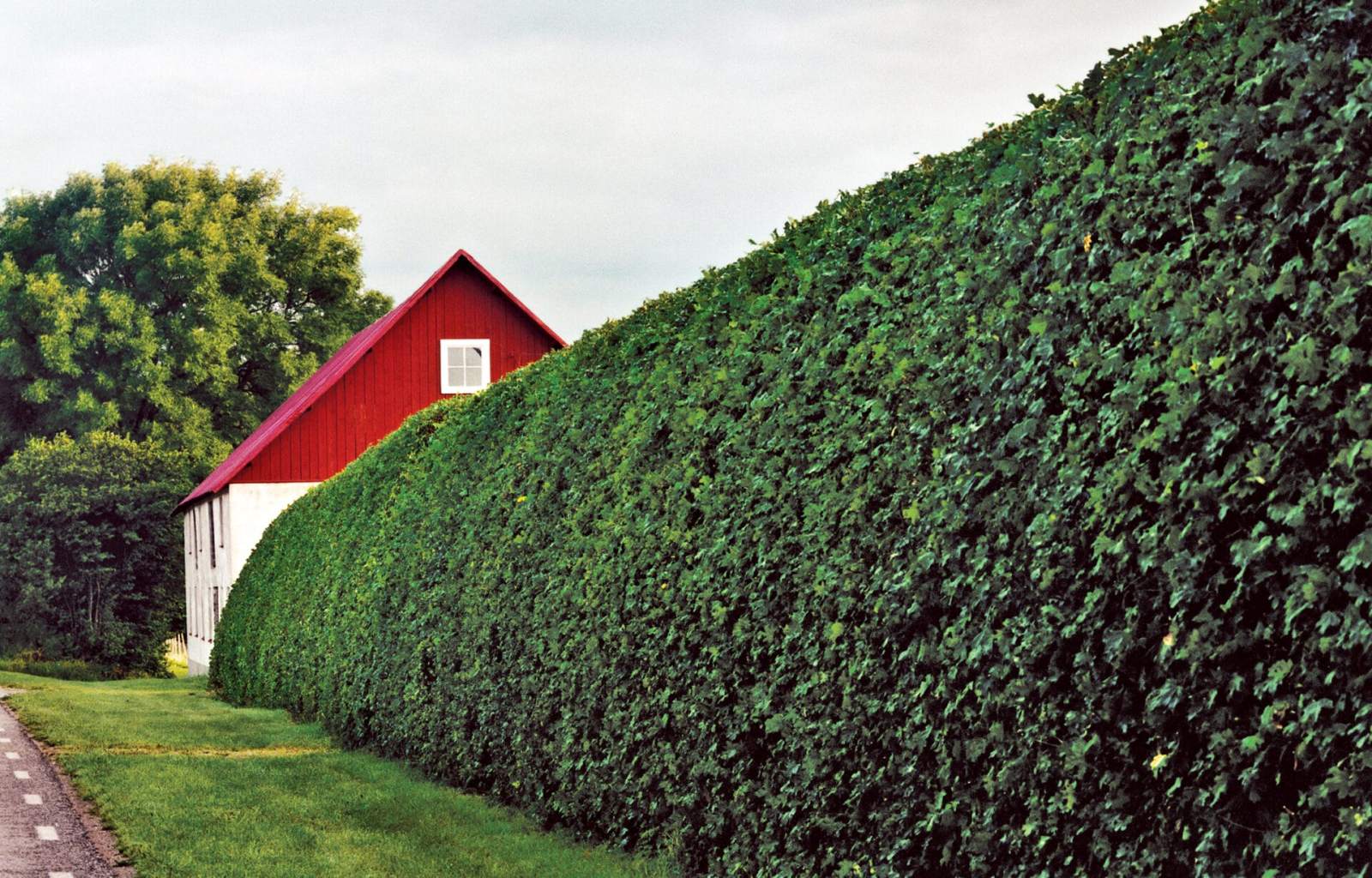
Hedges have a habit of looking perfectly manageable right up until they don’t. A little new growth appears around the edges, a few branches creep above the top, and before long the hedge is blocking a path, shading nearby plants or making the entire garden look untidy.
Regular maintenance is much easier than trying to rescue a hedge that has been ignored for years. Having suitable equipment, whether that’s a Makita hedge trimmer for routine cutting or hand tools for smaller jobs, can make staying on top of new growth considerably easier. The important part is knowing when to trim, how much to remove and when a hedge needs more than a quick tidy-up.
You don’t need to spend every weekend working in the garden. A simple maintenance routine can prevent hedges from becoming a major project while keeping them dense, healthy and attractive.
Trim Before the Hedge Becomes a Problem
It’s easy to postpone hedge trimming because a few centimetres of new growth rarely seems urgent. The trouble is that small amounts quickly add up.
A hedge that only needs a light trim can usually be dealt with relatively quickly. Leave it for too long and you may be facing thick branches, excessive height and growth extending into areas where you don’t want it.
Pay particular attention to hedges growing near:
- Paths and driveways
- Windows and doors
- Fences and neighbouring properties
- Garden beds
- Outdoor entertaining areas
Regular checks allow you to deal with unwanted growth while it’s still manageable.
Know How Much You Can Safely Remove
If a hedge has become seriously overgrown, resist the temptation to cut it back dramatically in one session.
Different plants respond differently to heavy pruning. Some can recover from substantial cuts into older wood, while others may struggle to produce new growth from bare branches.
Identify the type of hedge you’re dealing with before making major cuts. If you’re unsure, a local gardening professional or reliable plant guide can help you determine how aggressively it can be pruned.
For badly neglected hedges, reducing the size gradually may be safer than trying to restore the desired shape in a single afternoon.
Create a Shape That’s Easier to Maintain
How you shape a hedge can influence both its appearance and long-term health.
A common approach is to keep the base slightly wider than the top. This allows more sunlight to reach lower sections of the plant instead of the upper growth shading everything beneath it.
Before trimming, take a few steps back and look at the hedge as a whole. Decide where you want the top and sides to finish rather than simply following every bump in the existing growth.
For long, straight hedges, a guide string can help you maintain a consistent line.
Use the Right Tool for the Growth
Hedge trimmers are useful for maintaining relatively thin new growth, but they aren’t designed to tackle every branch.
If you encounter thicker, woody stems, don’t repeatedly force the cutting blades against them. Use suitable pruning shears, loppers or another appropriate cutting tool instead.
Before starting, inspect your equipment and make sure it is in good working condition. Sharp, clean cutting surfaces generally produce cleaner cuts and make the job easier.
Always check the area for hidden objects as well. Wire, fencing, garden stakes and other materials can disappear inside dense foliage and may damage equipment or cause an injury.
Don’t Forget What’s Under the Hedge
It’s easy to concentrate entirely on the leaves and branches while ignoring what’s happening at ground level.
Remove weeds and unwanted plants competing around the base. Clearing fallen leaves and heavy piles of clippings can also make it easier to inspect the hedge and notice potential problems.
If conditions are dry, appropriate watering may help support healthy growth. Mulch can also help the soil retain moisture, although it shouldn’t be piled directly against trunks or main stems.
Clean Up as You Go
A surprisingly large amount of material can come off even a modest hedge.
Putting down a tarp before you begin can make collecting smaller clippings much easier. Alternatively, work in sections and clear each area before moving to the next.
This isn’t just about keeping the garden tidy. Removing cut branches from paths reduces trip hazards and gives you space to work safely.
Make Maintenance a Small, Regular Job
The easiest hedge to control is one that never gets seriously overgrown.
Rather than waiting until branches are blocking paths or reaching above windows, keep an eye on new growth throughout the growing season. Light maintenance at appropriate times is usually much quicker than major corrective pruning later.
A well-maintained hedge can provide privacy, structure and greenery without dominating the rest of the garden. Give it regular attention, understand how your particular plants respond to pruning and deal with unwanted growth early. You’ll spend less time wrestling with an overgrown hedge and more time enjoying the garden around it.
