
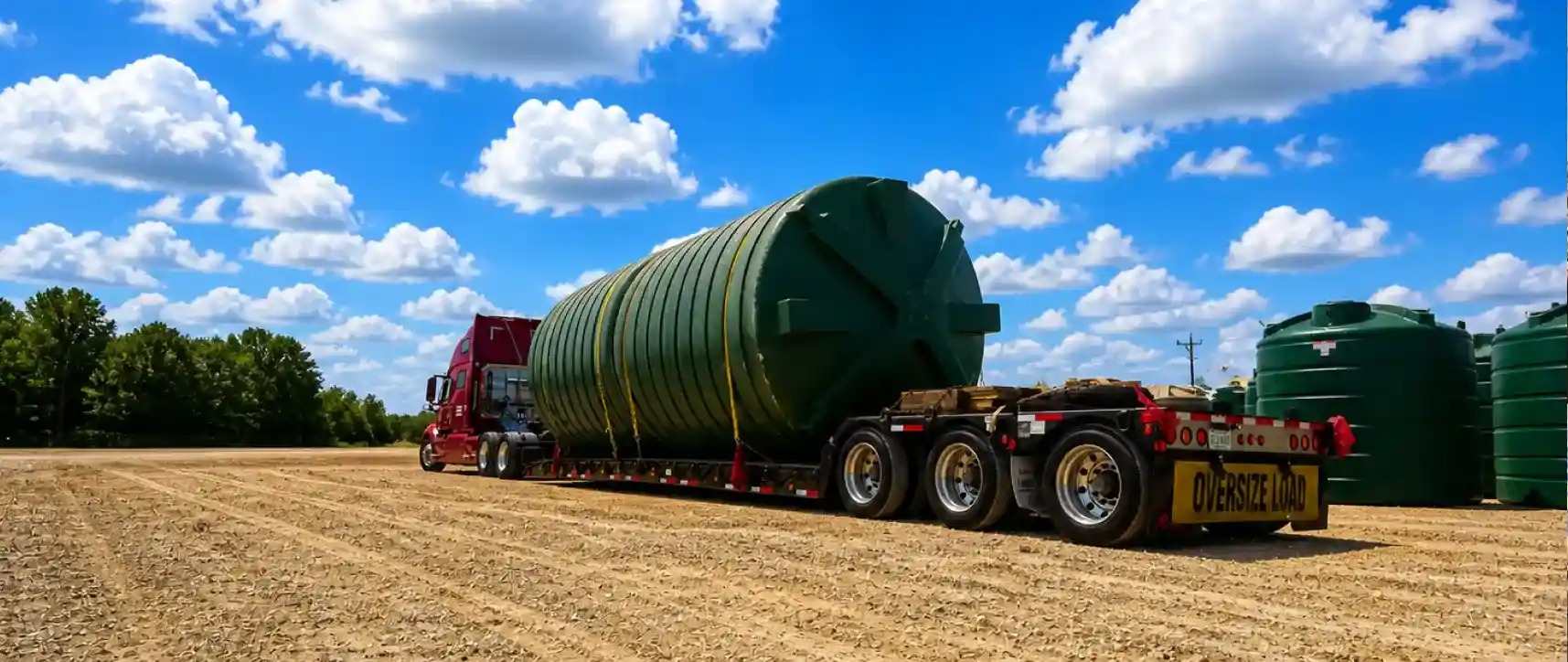
Moving massive freight is never a straight line. It’s a constant battle against physical constraints and bureaucratic red tape. If you’re just looking at the load and the destination, you’re missing the bigger picture. Here is the reality of what actually moves the needle in heavy haul.
Route Reality vs. Paper Maps
Don’t ever trust a route survey from last month. A road that was clear in June can be blocked by bridge work or low-hanging utility lines by July. The only survey that matters is the one you do 48 hours before wheels turn. If you aren’t checking for vertical clearances in real-time, you’re rolling the dice on a bridge strike.
The Permit-to-Hardware Match
Your oversize truck permits are only as good as the specs you put on them. If your axle spacing or weight distribution is even slightly different from what is printed on the permit, you are effectively driving illegally. The state DOT doesn’t care about your “intent”—they care about the numbers. If those numbers don’t match, you get shut down at the scales.
Seasonal Road Fragility
The season changes the rules of the game entirely. Spring thaws force weight embargoes on secondary roads, while summer heat waves can lead to pavement bans. A perfectly legal route during the winter can become a disaster zone in the spring. You have to build your route strategy around the calendar, not just the map.
Mastering the Physics of Weight
Heavy haul is a game of pounds-per-square-inch. It’s not just about if your trailer can hold the weight; it’s about how that weight hits the road. Bridges have strict formulas for how much weight they allow based on axle spread. Tools like Omnistar are game-changers here—they let you model your configuration to ensure you’re hitting bridge requirements before you ever leave the yard.
Navigating Local “No-Go” Zones
You can clear a state, but one local ordinance can trap you in a staging area for a holiday weekend. Municipalities have their own travel windows and “no-travel” zones that don’t always appear on state-level maps. If you don’t research the local rules for every city you transit, you’re going to get caught in a bottleneck you can’t bypass.
The “Eyes-on-the-Ground” Factor
Your pilot cars are more than just a legal requirement; they are your tactical reconnaissance. They spot the hazards that sensors miss. If your driver and your pilot cars aren’t in total sync on the route and the timing, you’re missing out on the best safety net in the industry.
Agility is Your Competitive Edge
Static planning is a death sentence in this industry. When a bridge shuts down or a storm hits, your ability to pivot is what saves your margin. You need a centralized system to monitor your oversize truck permits and access pre-vetted alternate routes. If you have to wait 24 hours to re-route, you’ve already lost the job.
