
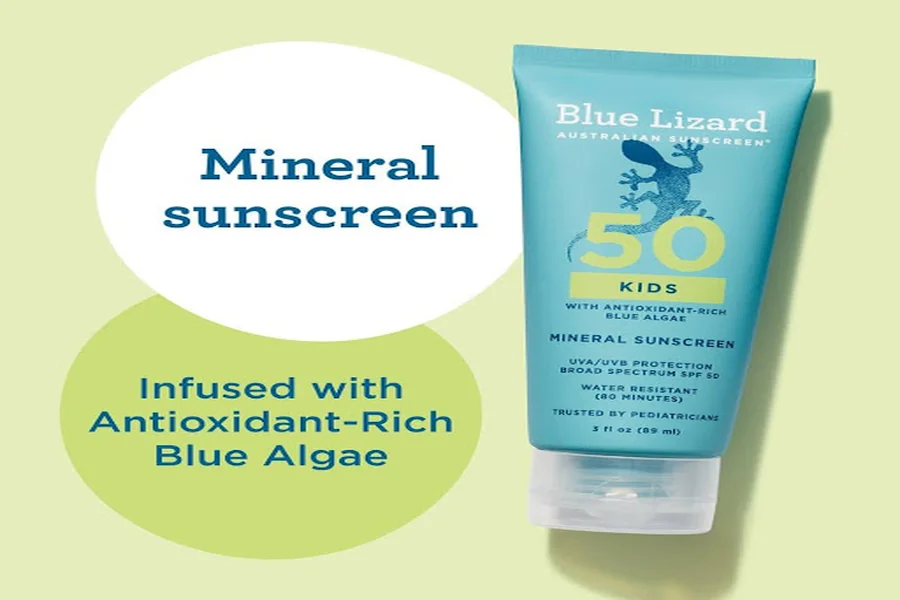
TL;DR: The best reef safe sunscreen should give you and your kids excellent sun protection while avoiding ingredients that damage marine life. A mineral SPF 50 lotion made without oxybenzone or octinoxate is a great alternative.
If you’re an eco-conscious person, finding the right sun protection has an extra layer of difficulty attached to it. You want your family to be safe in the sun, sure, but you don’t want that to come at the cost of the amazing habitats that are the coral reefs. That’s why you take the time and trouble to find the best reef safe sunscreen.
The issue is that in America, the term ‘reef safe’ isn’t uniformly regulated or controlled, meaning that it can mean different things from manufacturer to manufacturer. However, when you know what a reef-safe product should have inside, you get to see through all the marketing.
Most people understand the basic idea behind reef safe sunscreen. The harder part is knowing what to check on the bottle, because the details are what separate vague beach-friendly wording from a formula that genuinely makes sense for family trips to the coast.
The Best Reef Safe Sunscreen & What’s Inside
If you’ve never tried the best reef safe sunscreen yourself, you’re likely quite curious as to what you’ll find inside. Well, if you have kids, you want to know that it’s going to keep them safe and happy when they go out playing during the summer. The best and most gentle type for you and the reefs is typically going to include some key ingredients.
You don’t need to understand the full science behind every line on the bottle, but it is useful to know which ingredients help to protect your skin and why certain sunscreens are just…gentler. The best typically have the following inside.
- Mineral UV filters – The chemical products believed to be harming our coral reefs are oxybenzone and octinoxate, which protect you by being absorbed into the skin and converting UV rays into heat that then gets dispersed.
Reef safe sunscreen, however, tends to be mineral-based and use zinc oxide and titanium dioxide that sit on your skin’s surface. Neither ingredient is thought to cause the same ecological damage as some chemical brands.
- Blue algae – Blue algae can sound a bit unusual until you remember that kids don’t tend to want to put sunscreen on that doesn’t feel very nice. Blue algae basically makes it feel nicer once it’s on, so it doesn’t add to the sun protection provided by zinc oxide, but it will hopefully make your family more receptive to wearing it.
- Glycerin – When your little ones spend all day outside, jumping in and out of the pool, it can make their delicate skin a bit too dry – particularly if your pool is chlorinated. Combine that with vigorous towel rubbing and it can really take its toll.
The inclusion of glycerin in a reef-safe formula means the wearer’s skin stays feeling nice and comfortable all day, even after several reapplications.
- Vitamin E – This familiar skincare ingredient is a great thing to find in a sunscreen for your family, as it supports the skin barrier while also making the skin more conditioned. When you’re out in the sun all day, it can take quite a beating, so its antioxidant properties are just what your family’s skin needs.
- Candelilla wax – This is an ingredient most people don’t pay much heed to, but it absolutely helps the product go on nice and smoothly. Candelilla wax gives the reef-friendly sunscreen more viscosity, so it spreads properly and doesn’t go all watery in the bottle.
That small detail can be really important when you’re putting it on kids before they run off, because you need the formula to stay workable long enough to cover skin properly. If you don’t, your kids are basically going out partially unprotected.
When you put all of these ingredients together, you get something that can accurately be called the best reef safe sunscreen on the market. You get something that feels nice on, protects your family well and contributes to our coral reefs hanging around for our children’s children to see.
Why Not Try Mineral-Based Reef Safe Sunscreen for Your Next Day Out?
Buying and using a reef-friendly sunscreen does not need to feel overly complicated. Once you know the basics of what to look for (mineral UV filters and ingredients that help the formula feel comfortable on skin), it becomes much easier to identify suitable options when you see them.
So, if you’re thinking of trying out a mineral lotion for your next day out with the family, we’d suggest trying an SPF 50, just to be on the safe side. It will block 98% of UV rays, feel nice and light and contain ocean-friendly zinc oxide to reflect the rays away before they’ve had a chance to cause any lasting damage to your skin.
Even if you’re not going to the beach or it’s cloudy outside, the same principles apply, so make sure you’ve got a decent bottle of reef-safe lotion with you before you leave home.
