
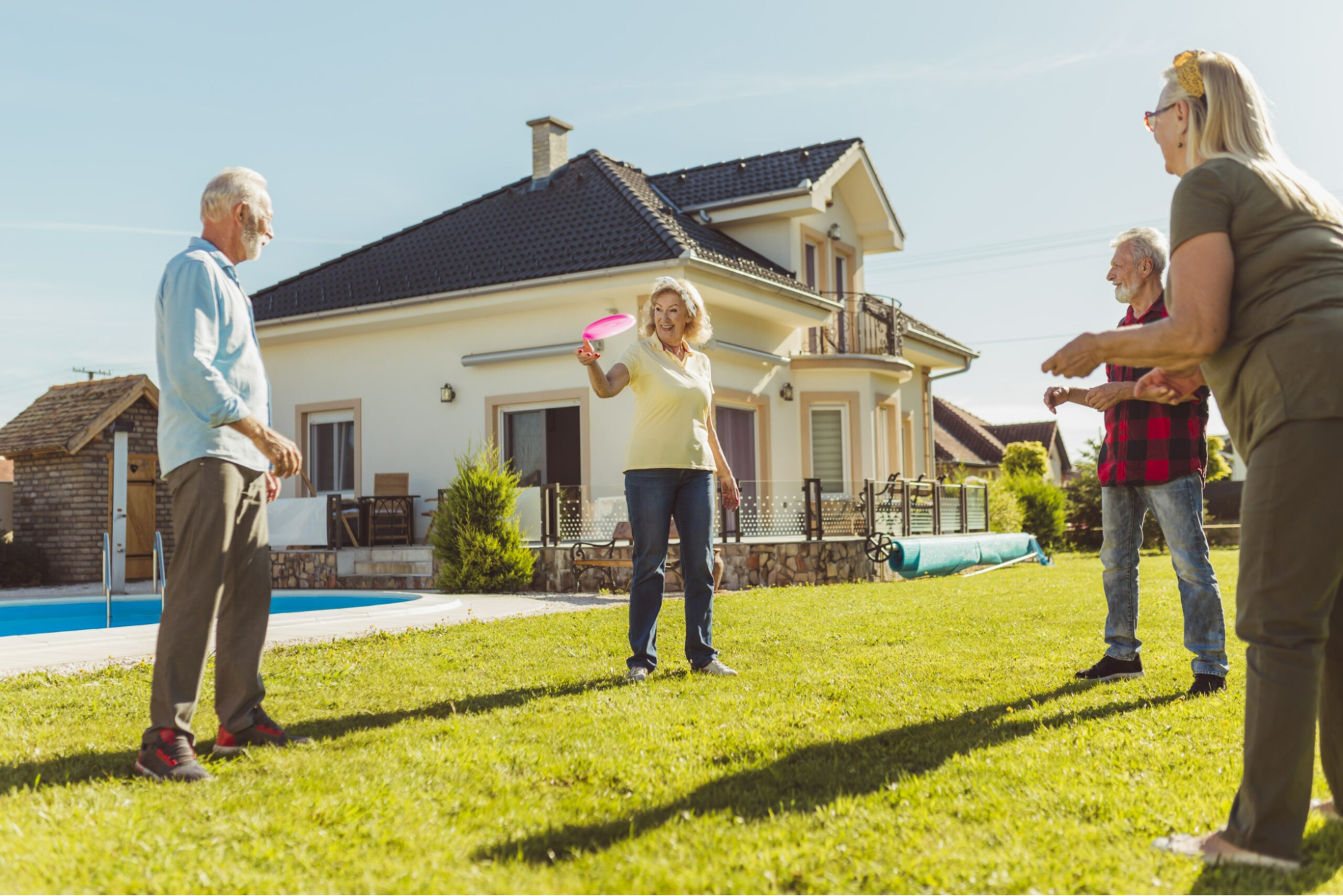
Summer should be a season of light, fresh air, and family time – but for older adults, it can also be one of the most dangerous times of the year if families are not prepared. Understanding and following practical summer heat safety tips for seniors can help reduce the risk of dehydration, heat exhaustion, and other heat-related health concerns while supporting independence and quality of life.
Why Summer Is One of the Most Dangerous Seasons for Older Adults
High temperatures put extra strain on the heart and circulatory system, and as people age, their bodies become less efficient at cooling themselves through sweating and shifting blood flow to the skin. Seniors may not feel thirsty until they are already dehydrated, and some health conditions – like heart disease, diabetes, or kidney problems – limit how well the body can cope with prolonged heat.
Many older adults also spend long periods alone, which means early warning signs of heat exhaustion or confusion can go unnoticed until the situation turns serious. Families often assume that if a home feels “warm but fine” to them, it must be safe for their aging parent or grandparent, yet older adults can become ill in temperatures that younger people tolerate easily. That is why having support from a trusted home care agency like https://paragonhomecare.org/ can be so valuable in building a consistent, accountable summer safety plan for high‑risk seniors.
Managing Heat and Staying Cool Indoors
1. Keep the Home at a Safe Temperature
For many older adults, “a bit warm” can quickly become dangerous, especially during heat waves and periods of high humidity. Families should aim to keep indoor temperatures in a safe, comfortable range – generally in the low to mid‑70s Fahrenheit (around 21–24°C) – and avoid letting the home climb into the upper 70s or 80s for long stretches.
Check thermostats regularly, especially in bedrooms and living areas where your loved one spends most of the day. If central air is not available, place reliable thermometers in key rooms and create a plan for moving your loved one to the coolest area of the home when temperatures rise. Closing blinds or curtains during the hottest hours and keeping doors and windows shut when outdoor air is hotter than indoor air can help maintain a safer baseline temperature.
2. Use Fans and AC Strategically
Air conditioning is one of the most effective tools for preventing heat‑related illness in seniors, but not every household has central AC or uses it consistently because of cost concerns. When full‑home cooling is not possible, families can still make a big difference by using window units to cool the rooms an older adult uses most, such as the bedroom and main sitting area.
Fans can help circulate air, but they should not be relied on as the only cooling method during extreme heat since moving hot air does not lower body temperature enough in dangerous conditions. To make fans more effective, position them to pull cooler air from shaded parts of the home, and encourage your loved one to sit close by while wearing light, breathable clothing. If the home becomes too hot despite your efforts, plan safe trips to air‑conditioned places like libraries, senior centers, or shopping centers for a few hours during peak heat.
3. Avoid the Hottest Hours of the Day
Outdoor errands, walks, and appointments are often unavoidable, but timing them well is key to summer safety for seniors. In most regions, temperatures and sun intensity peak from late morning through late afternoon, making midday outings riskier for older adults. Whenever possible, schedule walks, gardening, and social visits in the early morning or later evening when it is cooler and the sun is less direct.
If an outing must happen in the middle of the day, plan it carefully: use shaded parking spots, choose air‑conditioned locations, and keep time outdoors as short as possible. Make sure your loved one wears a wide‑brimmed hat, light‑colored clothing, and broad‑spectrum sunscreen on exposed skin to reduce the risk of sunburn and overheating.
4. Know the Warning Signs of Heat Exhaustion
Recognizing the early signs of heat‑related illness in seniors can prevent a medical emergency. Heat exhaustion often starts with symptoms such as heavy sweating, tiredness, weakness, dizziness, headache, nausea, and cool, clammy skin, even when body temperature is only mildly elevated. An older adult may seem unusually irritable, confused, or unsteady on their feet, which families might mistake for “just a bad day” instead of a potentially serious problem.
If you notice these signs, move your loved one to a cooler place immediately, help them lie down, and offer small sips of cool water if they are fully awake and not nauseated. Loosen tight clothing, apply cool, damp cloths to the neck, wrists, and underarms, and call a healthcare provider or emergency services if symptoms do not improve quickly or if they worsen – especially if there is confusion, fainting, or difficulty breathing.
Hydration and Nutrition in Hot Weather
5. Drink Water Before Feeling Thirsty
Age affects the body’s thirst mechanism, so many older adults do not feel thirsty until they are already mildly or moderately dehydrated. During summer, families and caregivers should encourage a regular drinking schedule instead of waiting for thirst cues – for example, a glass of water upon waking, with each meal, and at set times throughout the day.
Daily fluid needs vary based on health conditions and medical advice, but many guidelines suggest at least 1.6 liters (about 3 pints) of fluids per day for older women and around 2 liters (about 3½ pints) for older men, with extra fluids during hot weather unless a doctor has given stricter limits. Using easy‑to‑grip cups, keeping water within arm’s reach in every room, and setting simple reminders – or using phone alarms – can help older adults consistently meet their hydration goals.
6. Avoid Alcohol and Caffeine in Peak Heat
Alcohol and many caffeinated drinks can act as mild diuretics, encouraging the body to lose fluid more quickly and increasing the risk of dehydration in hot weather. While a single cup of coffee or tea may be fine for many seniors, relying on these drinks instead of water or low‑sugar alternatives can make it harder to stay properly hydrated during heat waves.
Families should pay close attention to what an older adult is drinking in the hottest part of the day and gently redirect them toward better options when needed. Offer chilled water, herbal teas, diluted fruit juices, or oral rehydration drinks approved by their healthcare provider as safer choices when temperatures climb. For seniors who dislike plain water, adding slices of lemon, cucumber, or berries can make it more appealing without adding much sugar.
7. Eat Light, Cooling Meals
Heavy, rich meals can be harder for the body to digest and may leave seniors feeling sluggish and overheated in summer. Lighter meals built around water‑rich foods – like fruits, vegetables, and salads – support hydration and are often easier to tolerate in hot weather. Options such as melon, berries, cucumbers, lettuce, tomatoes, and yogurt‑based dishes can add both fluids and important nutrients without weighing your loved one down.
Whenever possible, avoid using the oven during the hottest hours of the day, since cooking can raise indoor temperatures and add to heat stress for everyone in the home. Instead, plan no‑cook or minimal‑cook meals, and prepare larger batches of food in the cooler morning or evening hours so that lunches and dinners can be reheated quickly or served cold.
8. Monitor Medications That Affect Hydration
Many common medications for blood pressure, heart conditions, mood disorders, and urinary issues can affect how the body manages fluid and salt balance and heat. Diuretics, for example, increase urine output and can contribute to dehydration more quickly in the summer, especially if a senior is not drinking enough water. Some medications may also interfere with sweating or change how the body responds to sun exposure, raising the risk of overheating or sunburn.
Families and caregivers should review current medications with a healthcare provider before peak summer, asking specifically how heat and hydration may interact with each prescription or over‑the‑counter drug. Keep an updated list of all medications in an easy‑to‑find place, and watch for changes in dizziness, confusion, blood pressure, or swelling as temperatures rise, since these may signal that a dose or schedule needs to be adjusted.
Safety, Routine, and Caregiver Support
9. Check In Daily – Even From a Distance
Regular check‑ins are one of the simplest and most powerful summer safety tips for the elderly, especially for those who live alone. Heat‑related illnesses can develop over several hours, and a quick daily phone call or video chat can help family members notice changes in speech, alertness, or mood that might indicate overheating or dehydration.
Whenever possible, arrange for an in‑person check – by a nearby relative, neighbor, or professional caregiver during heat waves or when severe weather is in the forecast. The goal is to make sure your loved one is drinking, living in a reasonably cool environment, and not showing early warning signs of distress, rather than waiting until something feels obviously wrong.
10. Prepare for Power Outages
Summer storms and overloaded electrical grids can cause power outages that quickly turn a safe home into a dangerously hot environment for older adults. Families should create a simple outage plan in advance that covers how to monitor indoor temperatures, how to use backup fans or battery‑powered cooling devices safely, and when to relocate a senior temporarily if the home becomes too warm.
Keep a kit with flashlights, extra batteries, a battery‑powered radio, a list of emergency contacts, and any critical medical supplies in a single, easy‑to‑reach location. If your loved one uses electrically powered medical equipment, such as oxygen concentrators, speak with equipment providers and local utilities in advance about backup options and priority restoration programs.
11. Keep Emergency Contacts Accessible
In a heat‑related emergency, seconds matter – and confusion or dizziness can make it hard for an older adult to search for phone numbers or navigate a smartphone. Make sure a short, clear list of emergency contacts is posted by the main phone, on the refrigerator, and near the bed, including 911 or local emergency services, primary doctors, close family members, neighbors, and any home care providers.
Consider programming critical numbers into speed dial and labeling them clearly, or using a simple medical alert system that allows a senior to call for help with the press of one button. Review this list together at the beginning of each summer to confirm that the names and numbers are still correct and that your loved one knows when and how to use them.
12. Consider Professional Home Care for High-Risk Seniors
For older adults with complex medical needs, limited mobility, memory loss, or a history of falls, summer hazards can be especially serious. In these cases, professional home care can provide an added layer of daily monitoring, personalized safety planning, and practical support with hydration, meal preparation, and heat‑safe routines. A trained caregiver can notice small changes – such as increased confusion, unusual fatigue, or reluctance to move from a warm room – that family members might miss during occasional visits.
Home care agencies that specialize in supporting seniors can also help families create and maintain a structured summer safety routine, ensure that medications are taken correctly, and coordinate with healthcare providers when concerns arise. For many families, this blend of companionship, accountability, and practical assistance offers peace of mind that their loved one is not facing summer risks alone – even when relatives live far away or have busy schedules.
How to Build a Summer Safety Routine That Actually Sticks
Practical summer safety for seniors is less about one‑time changes and more about building small, repeatable habits that fit naturally into daily life. Start with a simple checklist that includes keeping the home at a safe temperature, planning cooler times for errands, setting hydration reminders, and scheduling regular check‑ins, then post it somewhere visible so everyone is on the same page.
Involve your loved one in shaping the routine so it feels respectful rather than restrictive – ask which drinks they enjoy, what times of day they prefer phone calls, and how they like to spend cooler evening hours. Over time, these shared, predictable habits make it much easier for families and caregivers to spot when something is off, respond early to heat‑related issues, and help older adults stay safe, confident, and engaged all summer long.
