
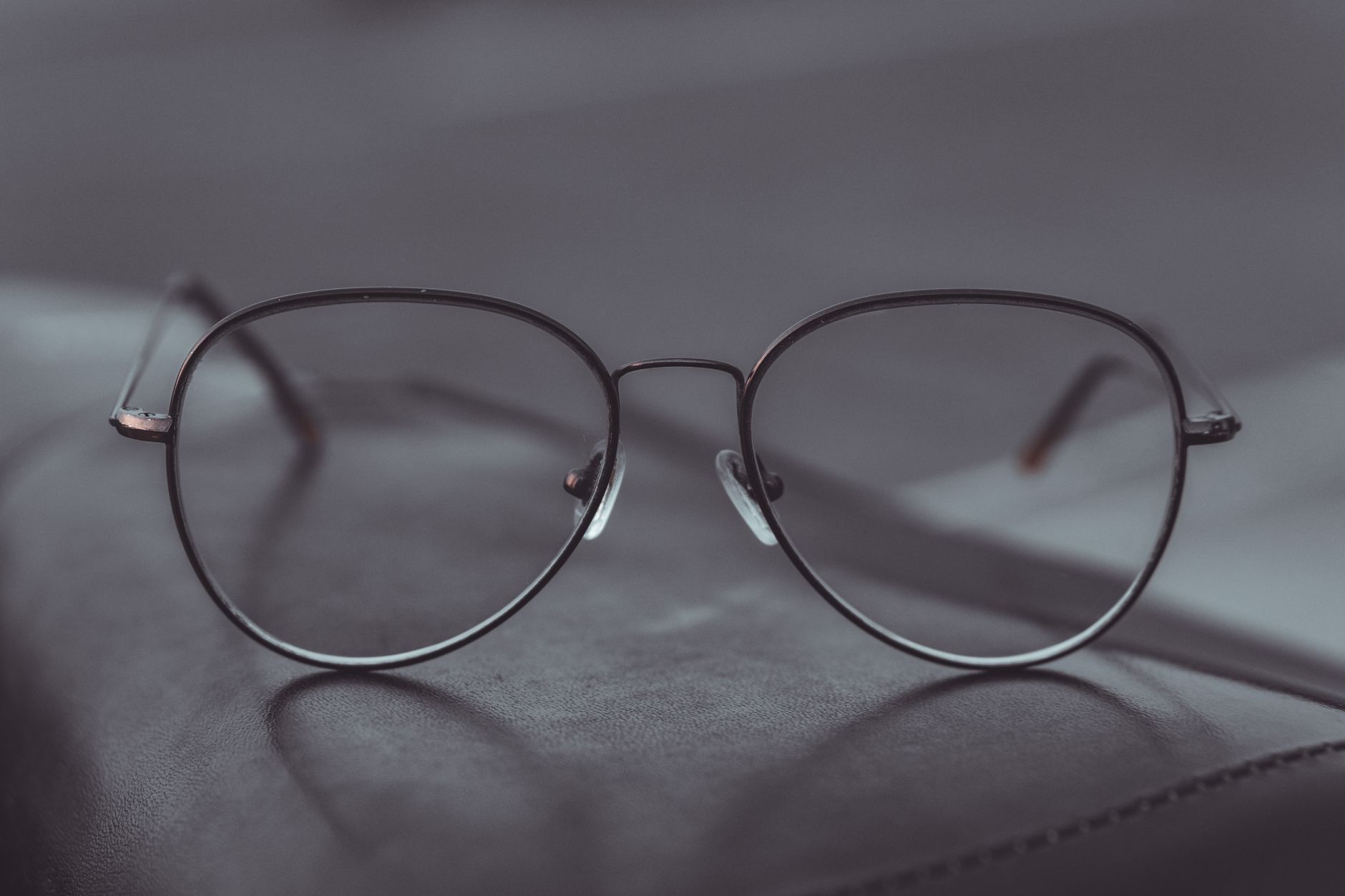
There was a time when buying glasses was purely functional. You sat in a chair, read some letters off a wall, and left with whatever frames the doctor had in a spinning rack near the door. That era is over. Eyewear has quietly become one of the most expressive, deliberate fashion choices a person makes — and the industry around it has shifted to match.
From Medical Device to Style Signature
The cultural repositioning of eyeglasses didn’t happen overnight. It accelerated through a combination of forces: the rise of street style photography, the mainstreaming of fashion weeks, and a generation of consumers who grew up watching designers treat eyewear as a core part of a look rather than an afterthought. Brands like DITA, Lindberg, and Jacques Marie Mage built cult followings not because their lenses were different, but because their frames were objects worth owning.
What followed was a fundamental shift in how people think about the purchase. A well-chosen pair of frames now communicates something specific about the person wearing them — their aesthetic sensibility, their attention to detail, their willingness to invest in things that are built to last. That’s a very different conversation than “which frames are covered by my insurance.”
The Luxury Frame Market and What’s Driving It
The premium eyewear segment has grown consistently even as other discretionary categories have softened. Part of that is practical: glasses are worn every day, often for years, making the cost-per-wear math on a quality pair genuinely compelling. Part of it is cultural — the same consumer who researches the provenance of a leather wallet or the construction of a wool coat has started applying that same scrutiny to their frames.
Independent and designer frame labels have been the primary beneficiaries. Brands like Barton Perreira, Mykita, and Thierry Lasry built their reputations on materials, construction, and design that mainstream optical retail simply doesn’t carry. The distribution model matters here too — these brands are almost exclusively available through independent optical boutiques, which means the shopping experience itself has become part of the product.
For consumers navigating this space, boutique optical shops with a carefully curated frame selection — like those that carry the full range of independent and designer labels alongside expert lens fitting — have become the go-to destination. It’s worth exploring what a well-stocked independent optical carries before defaulting to whatever is convenient.
What Makes a Frame Worth the Investment
The conversation around premium eyewear often stalls at price without getting into what the price actually reflects. A few things consistently separate investment-grade frames from commodity options.
Materials are the most obvious differentiator. Acetate quality varies enormously — premium acetate has richer color depth, holds its shape better, and ages more gracefully than cheaper versions. Titanium frames, when done well, are nearly indestructible and featherlight. Hand-finishing matters too: the way a hinge is set, how the temples are polished, whether the nose pads are adjustable.
Fit architecture is less discussed but equally important. A frame that isn’t built for adjustability creates problems that no amount of optician tweaking can fully solve. Premium frames are designed with fit in mind from the start — the proportions are considered, the hinge tension is intentional, the bridge width is engineered rather than standardized.
Design longevity rounds it out. The best frames look considered in ten years the same way they do the day you buy them. That’s not an accident — it’s the result of designers who treat eyewear as a craft rather than a commodity.
The Store Experience as Part of the Product
Independent optical boutiques have another advantage that rarely gets discussed in trend pieces: the people. A trained optician who understands both face geometry and frame construction is genuinely invaluable when you’re making a choice this personal. The difference between a frame that looks right and one that looks like it was made for you is often a fifteen-minute conversation and a set of skilled hands.
That’s the piece the online eyewear market hasn’t been able to replicate. Virtual try-on tools have improved, but they can’t tell you how the bridge will sit on your nose after three hours, or whether the temples will press against your ears by the end of the day. For a purchase you’ll wear every day for years, that gap matters.
The shift in how people think about eyewear isn’t a trend — it’s a recalibration. Frames are personal in a way that most fashion items aren’t. They sit on your face. They’re in every photograph. They’re the first thing people notice and the last thing they remember. Treating that choice with the seriousness it deserves is, increasingly, just common sense.
