
Metal parts support many products that people use every day. Machines, vehicles, and equipment depend on parts built for heavy work. Industrial systems require materials that can handle:
- heat
- pressure
- repeated use
The manufacturers select materials that will stand up under these conditions.
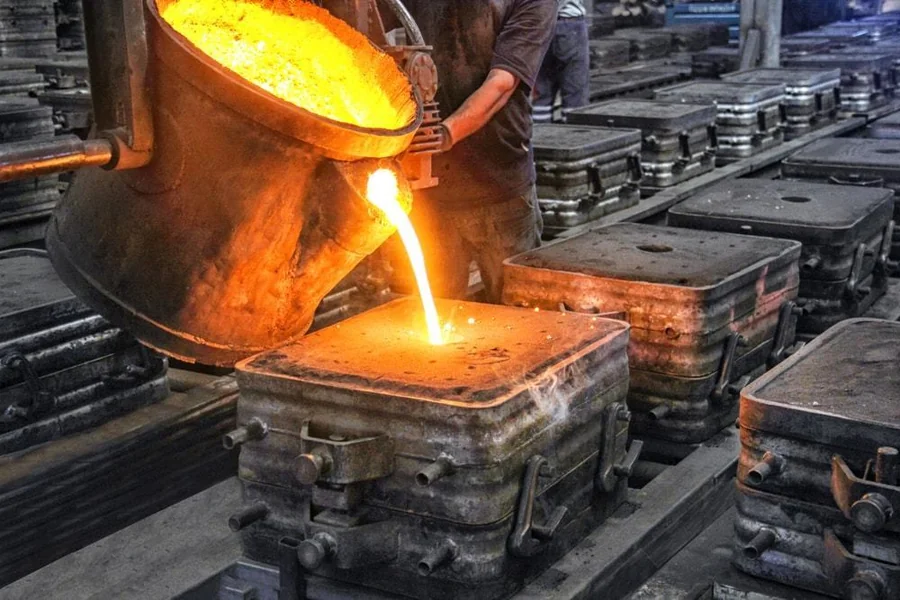
Iron casting is used to make parts utilized in numerous industries. It starts with pouring molten iron into a mold. It is then cooled and the metal hardens to the desired shape. The part may be machined or refined by factories before final usage.
Many industries continue using cast iron because it performs well over time.
- Heavy equipment
- transportation systems
- industrial machinery – depend on cast components.
These parts support operations that need stability and long service life.
Iron Casting Plays a Major Role in Automotive Manufacturing
Many vehicles have lots of cast metal parts under the skin. These are parts that deal with heat and the continual motion of cars and commercial vehicles.
Iron casting makes common vehicle parts such as:
- Engine blocks
- Brake system parts
- Transmission housings
- Suspension supports
- Exhaust manifolds
Engines produce tremendous heat while running. Cast iron is better suited to this environment than many lightweight materials. Brake systems also depend on dependable metal performance during repeated use.
Vehicle manufacturers continue using cast parts because they support large production runs. Factories need materials that perform consistently across thousands of components.
Construction Equipment Depends on Cast Iron Components
Construction machines work in rough conditions every day. Dirt, heavy lifting, and repeated impact place pressure on equipment. Metal parts must survive demanding job site use.
Construction equipment using iron casting may include:
- Excavator frames
- Hydraulic pump housings
- Counterweights
- Track system components
- Loader support brackets
Heavy machinery depends on thick metal sections for stability. Cast iron provides weight and durability where equipment handles large loads.
Contractors rely on machines that continue working without constant repairs. Durable components help reduce downtime during projects.
Agriculture Equipment Uses Iron Casting Daily
Farm equipment operates across changing weather and rough land. Tractors and planting tools work during long seasonal schedules. Equipment parts must support repeated field use.
Agricultural components produced through iron casting may include:
- Tractor housings
- Gearbox covers
- Irrigation pump bodies
- Soil tilling equipment parts
- Seeder frame sections
Farm machinery is exposed to dirt, pebbles and vibration in use. Cast iron can handle these circumstances without wearing out rapidly. With good equipment a farmer does not need to be stopped in the midst of planting or harvesting.
Manufacturing Facilities Depend on Cast Metal Parts
Factories use machines for:
- Packaging
- Cutting
- Pressing
- Assembly
Production equipment requires stable frames and heavy-duty support. Industrial systems using iron casting may include:
- Machine bases
- Conveyor housings
- Pump casings
- Compressor frames
- Press machine supports
Heavy manufacturing equipment generates vibration during operation. Cast iron absorbs vibration better than many materials. Factories value equipment that supports long production cycles.
Utility Systems Use Cast Iron Underground
Cities depend on hidden infrastructure every day. Water lines, drainage systems, and utility networks require reliable components.
Utility systems using iron casting may include:
- Pipe connectors
- Valve bodies
- Water meter housings
- Drain covers
- Fire hydrant parts
Underground systems face pressure from moisture and soil conditions. Cast iron supports these environments for many years. Infrastructure projects require materials with long-term performance.
Rail and Transportation Systems Depend on Cast Components
Transportation systems handle repeated movement and heavy loads. Rail equipment requires metal parts built for demanding conditions.
Rail-related parts made through iron casting may include:
- Brake housings
- Wheel hubs
- Rail brackets
- Suspension components
- Coupling supports
Train systems operate under constant pressure during travel. Cast iron helps support weight transfer and mechanical movement. Transportation companies depend on reliable parts for safety and operation.
Why Industries Continue Choosing Iron Casting
Many manufacturers continue using cast iron because it performs well in difficult environments. Industrial buyers need materials that balance cost and long-term value.
Benefits of iron casting include:
- Resistance to wear over time
- Reliable heat handling
- Affordable production costs
- Flexible shaping options
- Long service life
Cast iron also supports complex part designs. Manufacturers can produce detailed shapes without excessive finishing work. Production teams value materials that support both performance and budget.
Final Thoughts
Iron casting supports industries that depend on durable metal parts.
- automotive manufacturing
- agriculture
- construction
- utilities
- transportation
All these rely on cast components. Each industry requires equipment capable of handling daily pressure and repeated use. Cast iron continues serving these needs across many applications.
Factories choose materials that provide dependable performance over time. Cast iron remains an important part of industrial manufacturing today.
