
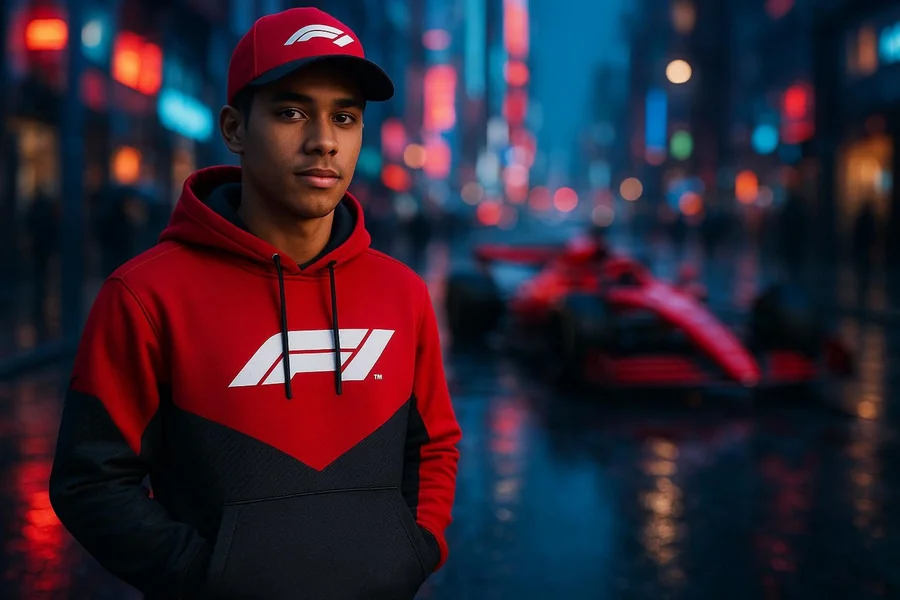
Motorsport team merchandise has come a long way, moving from basic protective workwear to a fast-paced global fashion trend that mixes race-ready technology with everyday style. Clothing that once simply kept drivers safe from oil and flying debris has grown into stylish symbols of pride, letting fans take a piece of the track into their daily routine. This change mirrors a wider cultural shift, where the thrill of racing meets modern fashion, turning simple team gear into a huge international business.
Today, the bond between a fan and their team often begins with interest in the technical side of racing. People may spend hours debating details like whether F1 cars have a clutch pedal, but the clearest sign of support is still what they wear. From a sharp team polo to a cozy racing hoodie, merchandise links the high-tech pit lane with the style-focused streets of today’s cities.
What Defines Motorsport Team Merchandise?
Key Types of Team Merchandise
Modern motorsport merchandise covers a wide range of products, appealing to both hardcore fans at the circuit and people who simply like sporty streetwear. At its center sits the classic racing hoodie-comfortable, simple, and instantly tied to team loyalty. Hoodies may be:
- Traditional pullovers with kangaroo pockets
- Zip-up hoodies that are easy to adjust for changing race-day weather
- Raglan hoodies with two-tone sleeves and athletic shapes that offer better movement
Beyond hoodies, typical collections include:
- Performance racing shirts and moisture-wicking T-shirts
- Team caps, beanies, and snapbacks
- Outerwear like twill bombers and mesh baseball jerseys
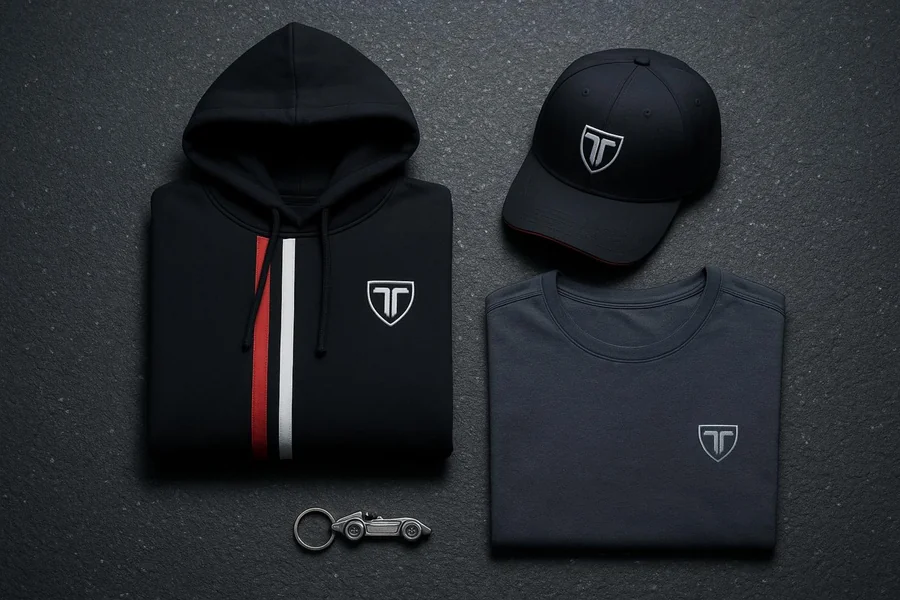
These items often feature racing stripes, sponsor logos, and graphics based on real car liveries. Whether it’s a lightweight tee for hot grandstands or a heavy jacket that echoes a driver’s race suit, each piece celebrates speed and competition through clothing.
Purpose and Role in Motorsport Culture
Merchandise is more than “just clothes”; it carries emotion and identity. For a fan, wearing team colors is a way to join a global group. It creates a shared feeling that crosses countries and languages, linking people who love the sound of engines and the precision of fast pit stops. Shirts, jackets, and hats tell stories about favorite drivers, historic teams, and unforgettable seasons.
Merchandise also supports the business side of racing and keeps teams visible. Every fan in team gear becomes a walking ad, showing off sponsors and colors far beyond the track. This constant presence builds stronger emotional ties, as people look for items that express the same craft, innovation, and high-adrenaline lifestyle that define motorsport.
How Did Motorsport Team Merchandise Originate?
Early Examples in Racing History
In the early 1900s, there was no idea of fan merchandise. Drivers dressed only for function. By the 1950s, legends like Juan Manuel Fangio raced in simple polo shirts, work jackets, and slacks. Clothes were usually heavy cotton or wool, mainly for warmth and basic protection from dust, oil, and stones on rough tracks. Safety was often less of a focus than simple comfort and shielding from the elements.
Fans who wanted to show support might wear a plain cap or jacket in familiar colors, but there was no official team outfit on sale. The spotlight stayed firmly on the cars and the talent of the drivers, while their clothing was just a simple part of the background.
Shift from Practical Wear to Branding
Brand-focused gear started appearing in the 1960s. Growing awareness of racing dangers pushed teams toward better safety rules, and the sport’s business potential grew quickly. Cotton outfits gave way to fireproof suits made from materials like Nomex, turning clothing into serious safety equipment. At the same time, teams saw that these suits offered perfect space for sponsor logos.
As race uniforms gained a clear, recognizable look, fans wanted to copy their heroes. Teams and sponsors responded with the first commercial garments. Practical workwear for drivers and pit crews slowly turned into branded team gear, carrying the same colors, stripes, and shapes as the cars so fans could buy and wear them with pride.
Impact of Sponsorship and Branding on Merchandise
Evolution of Sponsor Logos and Placement
The story of motorsport branding is literally printed on the clothing. Early sponsor markings were often simple and hand-painted. As the sport’s business side expanded, especially during the strong era of cigarette sponsorship between the late 1960s and 1990s, logos became more polished, with bold colors and custom typefaces. Race suits and team gear began to look like moving billboards, with every bit of space used to catch the eye.
Advances in printing changed things again. Teams moved from basic stitched patches to screen printing and then to sharp digital printing. This allowed detailed and complex artwork to blend smoothly with the fabric. Today even tiny logos are easy to see at racing speed, keeping sponsors closely linked to each team’s look.
Merchandise as a Marketing Tool
Merchandise now acts as one of the main marketing tools for teams. High-quality, stylish clothing helps them reach people through social media platforms such as Instagram and TikTok. Short clips of drivers wearing team gear in garages, planes, or at home gain huge attention and help turn a race team into a year-round lifestyle brand.
Partnerships with luxury labels have also raised the profile of racing gear. Examples include:
- McLaren and Louis Vuitton
- Aston Martin and Prada
These projects produce limited collections that mix race-ready details with luxury fashion, attracting buyers who may not follow racing but enjoy the image and status that come with these names.
Technological Advancements Shaping Merchandise
Innovations in Materials and Manufacturing
Many of the advances that make cars faster also improve fan clothing. New synthetic fibers have reshaped how merchandise feels and performs. Modern items often use breathable, sweat-wicking fabrics that help control body temperature, inspired by materials that keep drivers cool inside the cockpit. Lightweight yet strong textiles offer long-lasting wear while staying comfortable.
Production methods have also moved forward. Seamless stitching reduces rubbing and improves fit. Some high-end jackets use reinforcements made from materials like Kevlar, or body shapes influenced by the aerodynamics of the cars. These features bring the performance side of racing directly into the garments fans wear every day.
Digital Design and Customization Trends
Digital tools have changed how teams plan and create their collections. Designers now use 3D software to preview how sponsor patterns and liveries will look on different pieces before they are made. This allows mass-produced gear to feel more special and precise. High-quality digital printing makes bright, multi-color designs that stay vivid for a long time.
Personalization has become a key selling point. Fans can often:
- Add their own name next to a driver’s number
- Choose different layouts for sponsor logos
- Select custom color touches within team guidelines
This personal touch makes fans feel more closely linked to the team and its story.
Iconic Team Merchandise Through the Decades
Memorable Designs from Formula 1 to MotoGP
Some designs are so strong that people recognize them even if they do not follow racing closely. The bright red of Scuderia Ferrari is a classic example, standing for passion, history, and Italian racing skill. While the exact shade and details have changed, Ferrari red has stayed at the core of the brand, updated with white lines or darker tones to appeal to new fans.
The 1970s Lotus and John Player Special partnership created one of the most famous looks: black and gold cars, matched by race suits and fan gear. This smooth, elegant design still sets a standard for motorsport style, and fans often look for modern tributes to these classics at https://www.topracingshop.com/.
In MotoGP, riders like Valentino Rossi helped shape merchandise trends with colorful leathers and personal symbols such as his famous “Sun and Moon” graphics, blending individual character with team identity.
Influential Collaborations with Fashion Brands
Partnerships between race teams and fashion houses helped fix motorsport’s place in style culture. When Louis Vuitton placed its monogram on McLaren cars and released a small line of race-themed clothing, it showed that racing could sit alongside top fashion labels. The pieces mixed luxury materials with racing details like checks and stripes.
Prada’s link-up with Aston Martin brought fine tailoring to car-inspired jackets and coats, while streetwear brands such as Off-White have borrowed cues from the track for years. They use bold logos, high-contrast colors, and warning-style prints to build an “urban racer” look. These joint projects pushed team gear from race circuits into high-end boutiques and fashion weeks.
Fan Engagement and Identity Through Merchandise
The Role of Merchandise in Building Team Loyalty
Wearing team gear is a clear show of loyalty and helps fans feel part of something bigger. In a sport where drivers are mostly hidden by helmets and cars, clothing becomes a main way for supporters to connect with their heroes. The crowd at a race often forms color-based “tribes”: for example, Max Verstappen’s “Orange Army” is instantly recognizable.
This sense of belonging often carries on away from the circuit. Fans who mix racing pieces into their everyday outfits keep the sport visible in daily life. It reflects shared values like respect for speed, accuracy, and always aiming to improve.
Personalization and Limited Editions
To keep fans interested, teams often release special items in small numbers. These can include:
| Type | Example |
| Event-specific items | Cap for a home Grand Prix |
| Achievement items | Jacket marking a title win |
| Driver-focused lines | Series built around a champion’s logo |
These products often sell out quickly and become collectibles. Adding custom names, numbers, or flags makes each piece even more personal, turning it into a reminder of a fan’s own story with the sport.
Influence of Motorsport Merchandise on Mainstream Fashion
Racing-Inspired Trends on the Runway
“Motorsport chic” has become a regular theme for many designers. Common details include:
- Side racing stripes on trousers and jackets
- Checkered flag prints on skirts, shirts, and bags
- Slim, aerodynamic cuts that echo car shapes
Some runway looks even include helmets or visor-style accessories, used as bold props to give outfits a futuristic, high-speed feel.
Impact on Streetwear and Everyday Style
Streetwear shows this influence very clearly. Brands like Brooklyn Cloth offer pieces such as the “Live Fast” racing hoodie and mesh baseball jerseys that blend racing energy with casual city outfits. Fans often pair them with ripped jeans, cargos, or chunky sneakers to create a relaxed “street racer” look. Strong graphics, big logos, and bright primary colors drawn from racing have become common across urban fashion.
Future Trends in Motorsport Team Merchandise
Sustainability and Eco-Friendly Products
As racing series aim to reduce their environmental impact, team merchandise is changing too. More products now use:
- Recycled polyester from plastic bottles
- Organic cotton
- New fibers that break down more easily at the end of their life
Brands are also looking at cleaner dyes, lower-waste production, and shorter supply chains. The goal is to cut emissions and waste without losing the performance features and style that fans expect.
Integration of Wearable Technology
Wearable tech is likely to shape the next generation of gear. Future items could include:
- Sensors that track heart rate, movement, or temperature
- Jackets or wristbands that vibrate in time with on-track events
- Lighting effects that react to race data
Such features would let fans experience races in a more physical way, feeling closer to what drivers go through on track.
E-commerce and Global Accessibility
Online shopping is making team gear easier to buy worldwide. New tools may offer:
- Virtual fitting rooms using augmented or virtual reality
- 3D views of products in a digital garage or paddock
- Fast international shipping to reach fans in more countries
This greater access helps build a wider community of fans who can all own the latest items, no matter where they live.
What Drives the Lasting Appeal of Motorsport Team Merchandise?
Motorsport merchandise remains popular because it captures the feeling of speed in a form people can wear. Many sports have fan clothing, but racing brings a special mix of danger, excitement, and cutting-edge engineering. The “High-Speed Style” movement draws on this mix, celebrating both the sport and the adventurous lifestyle around it. Wearing team gear is about feeling close to the action and reflecting the clean lines and power of the cars.
The influence has spread beyond clothing into beauty and lifestyle products, such as makeup ranges themed around “Ferrari Red” or “McLaren Yellow.” As long as people enjoy fast machines, risky overtakes, and clever design, motorsport-branded items will keep changing with the times while holding on to their high-energy roots.
