
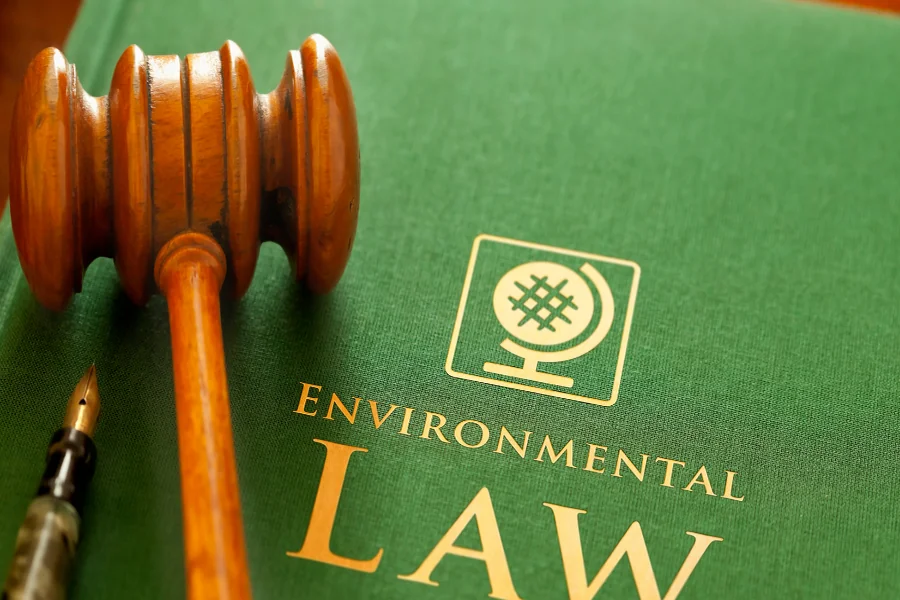
Environmental law plays a crucial role in shaping how societies respond to climate change. As global temperatures rise and ecosystems face unprecedented stress, governments, organizations, and communities are increasingly relying on legal frameworks to regulate harmful activities and promote sustainability. Environmental law provides the tools needed to control pollution, protect natural resources, and hold industries accountable. It is not just about rules and penalties—it is about creating a system that encourages long-term environmental responsibility while balancing economic growth.
In recent decades, environmental law has evolved significantly to address the complex challenges posed by climate change. From international agreements to national regulations, these laws aim to reduce greenhouse gas emissions, protect biodiversity, and ensure a healthier planet for future generations. Understanding how these legal systems work is essential to appreciating their impact and potential.
The Role of Environmental Law in Climate Policy
Environmental law serves as the backbone of climate policy by establishing clear guidelines and enforceable standards. Governments use these laws to regulate industries, limit emissions, and promote cleaner technologies. Without legal frameworks, efforts to combat climate change would lack coordination and accountability.
One of the primary functions of environmental law is to set emission limits for industries that contribute heavily to pollution. For example, power plants, manufacturing facilities, and transportation sectors are often subject to strict regulations. These rules ensure that companies adopt cleaner practices and reduce their environmental footprint.
Additionally, environmental law encourages innovation by supporting renewable energy initiatives. Policies such as tax incentives, subsidies, and mandates for clean energy adoption have accelerated the transition away from fossil fuels. Solar, wind, and other renewable sources are becoming more accessible due to these legal measures.
Environmental impact assessments are another critical component. Before major projects are approved, they must undergo evaluations to determine their potential environmental consequences. This process helps prevent harmful developments and promotes sustainable planning.
Overall, environmental law provides the structure needed to implement climate policies effectively, ensuring that both public and private sectors contribute to environmental protection. To know more visit timeforlawyers.
International Agreements and Global Cooperation
Climate change is an issue that needs international effort to be coordinated. Environmental law is international through international agreements and treaties. Such agreements unite the countries with the aim of establishing mutual goals and responsibilities.
Among the most famous agreements is the Paris Agreement whose goal is to ensure that the global warming is curtailed to well below 2 degrees Celsius lower than before the industrialization period. The nations undertaking this agreement pledge to cut down their carbon emissions and also report on their status to the agreement on a regular basis. This structure promotes transparency and accountability in the worldwide arena.
The other notable concept of the international environmental legislation is the principle of common but differentiated responsibilities. This notion appreciates that all nations need to deal with climate change but the developed countries have a higher role to play because of their previous emission. Consequently, they will be expected to offer financial and technological assistance to the developing nations.
Exchange of knowledge, technology and best practices also involves global cooperation. The environmental law helps in this exchange by providing platforms of collaboration. By sharing the successes and challenges of each other, countries are able to learn and take different and effective measures regarding climate.
In spite of these, implementation of international agreements is a problem. Compared to national laws, international treaties are very dependent on voluntary compliance. Nevertheless, they get more and more powerful due to the growing awareness of citizens and diplomacy.
Challenges in Enforcing Environmental Law
Although environmental law is a necessity, the application of the law is normally marred by serious challenges. The absence of resources and capacity in most of the countries is one of the major challenges. The developing countries, especially, might not be able to keep track of the regulations’ enforcement because they lack funds and technical abilities.
The other problem is political resistance. There are instances when environmental regulations may go against economic interests particularly in those industries that are fuel intensive especially fossil fuels. Governments might not be willing to ensure that stringent laws are put in place because they are afraid that economic growth or employment would be affected.
Enforcement efforts can also be sabotaged by corruption and poor governance. Companies can also evade regulations by working illegally or by corrupting decision-makers in some instances. This undermines the efficiency of environmental regulations and lets remain damaging activities.
Also, climate change as such poses a challenge in itself. Its consequences are long term and are usually indirect and thus, it is hard to determine definite cause and effect relationships. Such complexity may make legal proceedings more complex and act slowly.
Participation and public awareness will be very much needed towards overcoming these challenges. Citizens can also detain governments and corporations when they are informed and involved. Civil societies, non government organizations and local efforts play a essential role towards enhancing the implementation of environmental laws.
The Role of Courts and Legal Activism
Legal activism and courts have proven to be strong in combating the climate change. People and groups around the globe are resorting to legal means to question malicious activities and seek more protection against the environment.
In the last few years the amount of climate litigation has grown. Governments have been sued because they fail to fulfill their climate policies and corporations because they add to environmental degradation. Such cases are mostly aimed at applying the current legislation or promoting the new laws.
Among the trends that are outstanding is the fact that environmental rights have been regarded as human rights. The courts of certain countries have decided that clean and healthy environment is part and parcel of well being of people. This point of view enhances the legalization of the environmental protection and increases the scope of the environmental law.
Legal activism includes the grassroot movements and the litigation of public interest as well. Those who have suffered pollution or other disasters due to climate can be able to justice through the courts. These initiatives will not only deal with certain problems but also establish significant legal precedents.
The legal processes on the other hand may be costly and time-consuming. There is also the issue of access to justice especially among the marginalized groups. It is essential to make certain legal systems available and effective in order to maximize their effect in the fight against climate change.
Future Directions for Environmental Law
With the current development of climate change, environmental legislation has to respond to emerging challenges. New challenges like migration of climate, loss and damage, and technology development need new legal answers.
The incorporation of climate into every form of governance is one of the potential areas. This practice commonly known as mainstreaming makes sure that the environmental issues are factored in the energy, transportation, agricultural, and city planning policies.
New opportunities are also presented by the development of technology. Technological application can enhance environmental regulations through the enforcement of digital monitoring systems, satellite data, and artificial intelligence. These instruments allow tracking the emissions and environmental changes more accurately.
The other significant trend is the increased focus on corporate responsibility. There is a growing pressure on companies to regulate their environmental impact and also to be responsible. The environmental law is growing in the area of stricter reporting requirements and sustainability standards.
Education and awareness is also important. Through environmental literacy, societies will be in a position to develop a responsible culture and promote sustainable practice. Laws are not sufficient as they should be backed by educated and active communities.
The international co-operation will still be a factor. As the global community keeps on collaborating, the environmental law will form a more significant part in aligning the efforts and make sure that the progress is distributed.
Final Thought
The environmental law is a strong tool in the struggle against climate change and it offers a framework and responsibility to take the necessary step. Although it is not that easy, the further development of legal frameworks can bring more optimism in considering a more sustainable future. Environmental law can assist to achieve the gap between ambition and reality by improving enforcement, promoting innovation and international collaboration. After all, environmental law is one of the best instruments in saving the planet since it requires a unanimous effort.
