
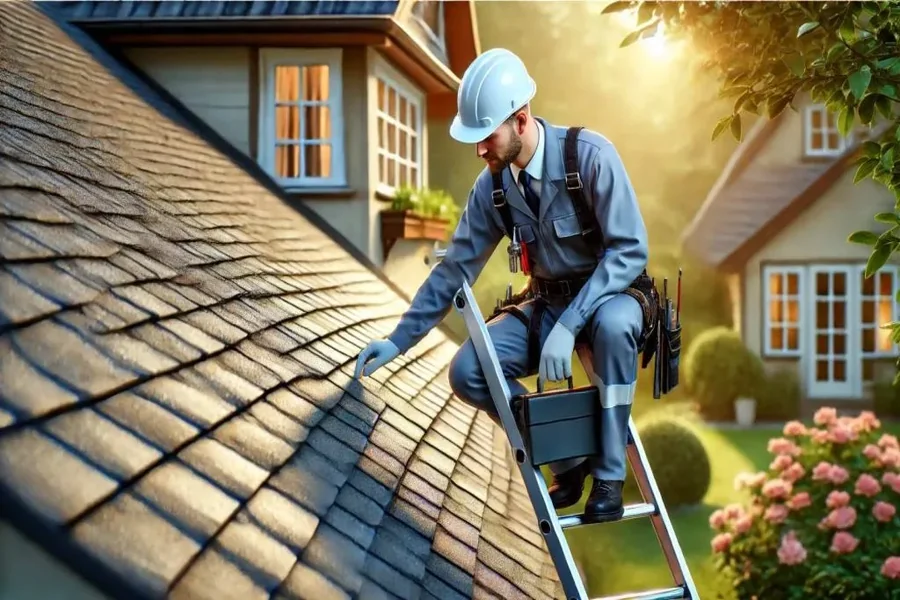
Ask any real estate agent which inspection finding kills the most deals, and the roof comes up almost every time. A compromised roof isn’t just a repair line item — it affects insurability, triggers lender requirements, and raises questions about what else in the property may have been deferred. For buyers, sellers, and the professionals navigating transactions between them, roof condition has become one of the most consequential data points in any sale.
What’s shifted in recent years is how that condition gets assessed, communicated, and documented. Property inspection technology has matured considerably, and the platforms now available to inspectors and real estate professionals are producing more consistent, defensible reports than the clipboard-and-camera workflows they replaced.
Why Roof Assessment Deserves Its Own Technology Conversation
A general home inspection covers dozens of systems in a few hours. Roofs are one component among many, which means the time and attention any single inspector can allocate to a roof assessment is limited. Historically, that’s meant a visual scan from the gutters or, when accessible, a walk of the surface — followed by a few notes in a standardized report template.
That approach has real limits. It misses subsurface moisture, underestimates storm damage that isn’t visible from ground level, and produces reports that vary widely depending on the individual inspector’s experience and risk tolerance. In a transaction where a buyer is making a six-figure commitment based partly on that report, the margin for error is hard to justify.
Dedicated roof inspection platforms — and the broader real estate tech ecosystem they sit within — exist to close that gap. They bring consistency to an assessment process that has historically rewarded whoever happened to get an experienced inspector on a clear day.
What Inspection Platforms Are Actually Doing Differently
The most meaningful shift has been in data capture. Modern inspection platforms guide users through structured assessment workflows rather than open-ended observation. Each section of the roof gets documented systematically — flashing, ridge, valleys, penetrations, gutters, drainage — with photo requirements attached to each step. The report that comes out the other end is reproducible in a way that freeform notes never were.
Several platforms now integrate aerial imagery and satellite data to give inspectors a baseline view of the roof before they arrive on site. That pre-visit context helps inspectors prioritize their time and flag discrepancies between what the imagery shows and what they find in person. For properties where physical access is limited — steep pitches, occupied homes, weather constraints — drone-assisted capture has become a practical alternative to manual inspection in some markets.
On the reporting side, the better platforms produce outputs designed for multiple audiences. The inspector’s detailed findings get translated into a client-facing summary, an agent-ready overview, and in some cases a format compatible with insurance underwriting review. That kind of layered communication reduces the back-and-forth that typically follows an inspection report and speeds up the due diligence timeline.
Where Roofing Contractors Enter the Picture
When an inspection surfaces significant roof issues, the transaction doesn’t pause — it accelerates. Buyers want contractor estimates quickly. Sellers need to know whether to repair or negotiate a price reduction. Agents are coordinating between multiple parties under deadline pressure.
This is where the connection between inspection technology and roofing business software matters. Contractors who can respond quickly with detailed estimates, photo documentation, and clear scopes of work are the ones who win the transaction-related work. That responsiveness requires its own operational infrastructure. Platforms like Jobnimbus’ roofing software are built specifically around these workflows — from initial estimate through job completion — so contractors can move at the pace that real estate timelines demand.
The contractors who have invested in this kind of operational tooling are increasingly the ones that inspection companies and agents keep on their referral lists.
What Buyers and Sellers Should Expect Going Forward
The standard for roof documentation in property transactions is rising. Buyers who received a three-paragraph inspection note five years ago are now getting annotated photo reports, thermal imaging findings, and replacement cost estimates before they remove their financing contingency. That shift is good for everyone — it produces cleaner transactions, fewer post-close disputes, and a more honest picture of what a property actually costs to own.
For sellers, the implication is straightforward: roof condition that might have stayed ambiguous under older inspection methods is now harder to obscure and easier to price. Getting ahead of that with a pre-listing inspection — using the same platforms buyers’ inspectors will use — has become one of the more practical ways to control the narrative in a competitive market.
Technology isn’t replacing professional judgment. It’s giving that judgment a better foundation to stand on.
