
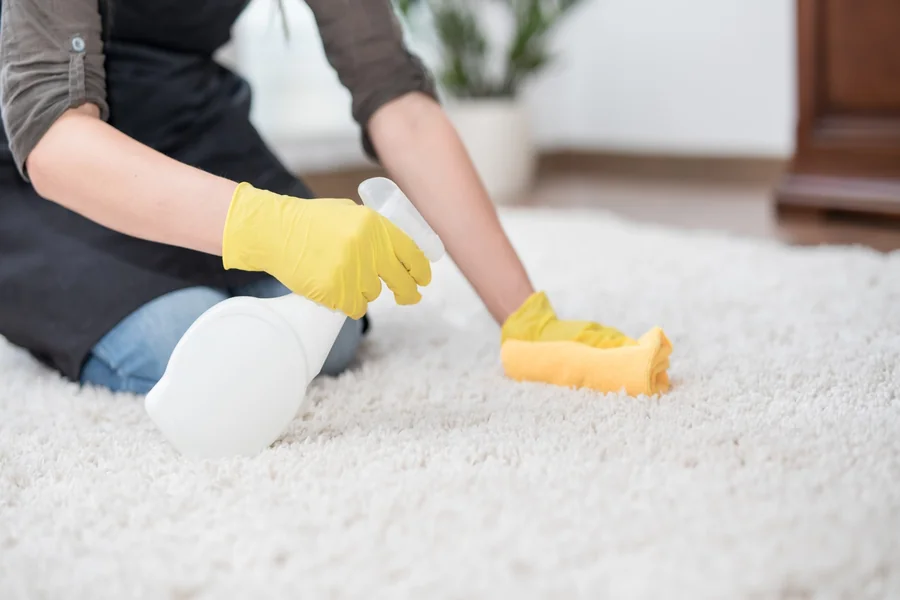
Here’s something most people don’t think about: the air you breathe indoors is directly tied to what’s hiding in your flooring. Making carpet cleaning a regular habit instead of something you do in a panic before guests arrive? That’s about more than aesthetics. You’re actually safeguarding the respiratory well-being of everyone in your home.
Deep within those carpet fibers, dust mites set up camp. Allergens accumulate. Bacteria multiply quietly, creating health hazards you can’t see. When you understand how to maintain clean carpets, your whole mindset shifts.
You stop scrambling with last-minute spot treatments and start thinking strategically about preservation. What you’re about to read walks you through practical daily routines, explains when it’s worth bringing in the pros, and helps you maintain genuinely fresh floors throughout the year.
What Actually Keeps Carpet Fibers Healthy
Longevity isn’t just about running the vacuum around twice a week. It’s knowing what you’re protecting and why certain approaches work while others fail miserably. Different materials need different handling. Get this wrong, and you could be shaving years off your carpet’s lifespan.
Matching Care Methods to Your Carpet Type
Most households have nylon carpets. Why? They’re incredibly durable and spring back nicely after constant foot traffic wears them down.
Hot water extraction works beautifully on nylon, and these carpets stand up to virtually any household cleaning product you throw at them. Polyester and olefin varieties come with built-in stain resistance, perfect when you’ve got toddlers or messy teenagers.
Wool’s a different beast entirely. Too much water and you’re looking at shrinkage. Harsh alkaline cleaners will absolutely destroy those natural fibers. You need pH-neutral formulas and significantly less moisture. Then there’s triexta (you might recognize the brand name SmartStrand). These carpets resist staining through their actual fiber construction rather than chemical applications, which gives them some pretty unique cleaning benefits.
Why Dirt Actually Destroys Your Flooring
Living in Spokane means dealing with four distinct seasons, and each one brings its own mess. Winter snow gets tracked inside and melts straight into your carpet padding. Spring hits you with pollen. Fall means leaves everywhere. Plus, Spokane’s lifestyle blends urban living with outdoor adventure, so dirt migrates rapidly from hiking boots to your living room floor.
Homeowners facing these specific challenges frequently reach out to carpet cleaning spokane experts who’ve mastered the regional quirks and customize their techniques accordingly. Local specialists understand something outsiders miss: volcanic soil from surrounding areas creates unusually abrasive particles that tear through carpet fibers faster than ordinary dirt ever could.
Every footstep grinds soil particles against your carpet like sandpaper. Studies indicate roughly 80% of indoor dirt originates outside, meaning your entryway absorbs the worst punishment. And here’s a kicker: pH imbalances from cleaning products can weaken fibers gradually, especially when leftover residues attract additional dirt. You end up in this frustrating cycle where your carpet gets dirtier faster after each cleaning.
When DIY Stops Being Enough
You can handle everyday maintenance yourself. No question. But certain situations absolutely demand industrial equipment and genuine expertise. Recognizing when to make that phone call actually saves you money over time.
Professional Help: Timing It Right
High-traffic households should schedule professional carpet cleaning services twice yearly at a minimum. Got pets? Kids? Increase that to quarterly sessions. Deep seasonal cleaning pulls out embedded allergens that your vacuum simply cannot reach.
Pay attention to warning signs. Matted traffic lanes appearing? Persistent smells that won’t quit? Visible dirt buildup despite regular vacuuming? These tell you vacuuming alone isn’t solving the problem. Before big gatherings or after any construction work, professional intervention prevents embarrassing moments and protects what you’ve invested in your home.
Industry-Standard Cleaning Approaches Decoded
Hot water extraction, most people call it steam cleaning, ranks as the most genuinely effective deep-cleaning technique available. It drives deep into fibers, pulls soil out, and kills bacteria without leaving residue when performed correctly. The best carpet cleaning methods find that sweet spot between cleaning effectiveness, reasonable drying time, and fiber safety.
Encapsulation cleaning deploys polymer crystals that surround dirt particles, making them incredibly easy to vacuum away afterward. Commercial spaces love this method when they need a quick turnaround. Bonnet cleaning handles surface-level touch-ups adequately but won’t address soil that’s settled deep down.
Dry carpet cleaning uses specialized compounds that soak up dirt without any moisture, ideal for delicate fibers or situations where you need to use the room immediately. Green cleaning approaches utilizing plant-based formulas are seriously gaining momentum among health-conscious households here in 2024.
Evaluating Who to Hire
IICRC certification matters. It’s the gold standard proving technicians actually understand proper techniques instead of just winging it. Equipment quality counts too; professional-grade truck-mounted systems extract significantly more water and reduce drying time compared to portable units. Companies that back their work with satisfaction guarantees and carry proper insurance? That demonstrates real confidence in what they deliver.
Maintaining Carpets Between Deep Cleans
Professional sessions handle the heavy lifting, but your daily habits determine how long that fresh feeling lasts. Small, consistent efforts prevent massive headaches later.
Vacuuming That Actually Works
High-traffic zones, hallways, and entryways need attention three to four times weekly at a minimum. Living rooms and bedrooms can usually go a week between sessions unless you’re battling shedding pets. Adjust your vacuum’s height setting to match your carpet’s pile height. Too low causes unnecessary wear. Too high leaves dirt sitting there.
HEPA filters trap microscopic allergens instead of recirculating them straight back into your breathing air. Modern robotic vacuums maintain baseline cleanliness between your thorough manual sessions, though they’ll never fully replace deep vacuuming.
Fast Response When Spills Happen
You’ve got maybe 30 seconds to stop a spill from becoming a permanent stain. Seriously. Grab clean towels immediately and blot, never rub, which drives liquid deeper and spreads the affected zone. Apply room-temperature water to dilute water-based spills.
Stack several paper towels over the wet spot and literally stand on them to absorb maximum moisture. If the stain’s still visible after three solid attempts, stop. You might actually be setting it permanently at that point. That’s your signal to call in professional help.
Tackling Carpet Stains Effectively
Different stains demand specific treatments. Using the wrong approach can worsen stains or make them impossible to remove later.
Handling Organic Stains
Carpet stain removal for coffee and tea works best with enzyme-based cleaners that actively break down tannins. And club soda? That “miracle” red wine fix is mostly a placebo effect. Use hydrogen peroxide on white or light-colored carpets instead, but test it somewhere hidden first.
Pet urine requires enzymatic cleaners that eliminate odor-causing bacteria at the molecular level. Black lights reveal old accidents completely invisible to the naked eye. Blood responds to cold water and hydrogen peroxide; never use hot water, which permanently sets protein-based stains.
Oil-Based and Chemical Stain Solutions
Grease and cooking oil need solvent-based spot removers. Rubbing alcohol lifts ink and permanent marker surprisingly well. Apply it with cotton balls and work from the stain’s outer edge, moving inward. Nail polish requires acetone (standard nail polish remover works), but test first because it can damage certain synthetic fibers.
Wet paint lifts with the appropriate paint thinner. Dried paint often requires professional-grade solvent treatment. Gum and sticky adhesives? Freeze them with ice cubes, then gently scrape away using a butter knife.
Advanced Techniques for Long-Term Freshness
Once you’ve nailed the basics, these advanced strategies extend carpet life and maintain that just-cleaned feeling considerably longer.
Eliminating and Preventing Odors
Sprinkle baking soda generously across your carpet, leave it overnight, then vacuum thoroughly in the morning. It absorbs odors rather than just masking them temporarily. Activated charcoal bags placed strategically around rooms neutralize persistent smells at their source. Ozone treatments kill odor-causing bacteria effectively but require temporarily vacating your space.
UV-C light sanitization represents cutting-edge 2024 technology for eliminating bacteria without any chemicals. Proper ventilation and consistent air circulation prevent the moisture buildup that leads to musty carpet smells.
Protection Technologies Worth Considering
Scotchgard and similar fabric protectors create invisible barriers that repel liquids and resist staining. Nano-technology coatings bond at the molecular level, lasting considerably longer than traditional protectors. Check your carpet pad quality every few years; degraded padding affects both comfort and overall cleanliness.
Managing High-Traffic Zones
That 20% of your carpet receiving 80% of foot traffic needs specialized attention to prevent premature wear patterns from developing.
Protecting Entryways and Hallways
Place walk-off mats extending at least 15 feet inside all entryways. This captures most tracked-in dirt before it ever reaches your carpeting. Strategic runner placement protects hallways while simultaneously adding visual appeal. Deep-clean these specific zones weekly rather than waiting for whole-house cleaning schedules.
Stairway-Specific Maintenance
Stair edges collect dirt and display wear dramatically faster than flat surfaces. Specialized vacuum attachments reach into corners and along nosings where your standard vacuum head completely misses. Protective nosing guards prevent premature edge fraying on heavily used staircases.
Living with Pets and Clean Carpets
Pets bring incredible joy and incredible mess in roughly equal measure. Proactive strategies minimize the damage significantly.
Advanced Pet-Related Stain and Odor Solutions
Black light inspection reveals every single accident, including old ones, still creating lingering odors. Enzymatic cleaners break down urine crystals that standard cleaners leave behind. Sometimes accidents soak completely through to subfloors, requiring padding replacement and floor sealing.
Pet-proof carpet fibers like solution-dyed nylon resist staining considerably better than cheaper alternatives. Regular grooming dramatically reduces shedding and dander accumulation in your carpets.
Your Carpet Care Questions Answered
- How often should I professionally clean carpets to keep my warranty valid?
Most manufacturers require professional cleaning every 12-18 months with documented receipts kept on file. Skipping scheduled cleanings can void warranties on stain resistance and fiber performance guarantees. Always save those cleaning invoices.
- Will steam cleaning damage my carpets or cause them to shrink?
Proper hot water extraction won’t damage quality carpets. Problems happen when technicians over-wet fibers or apply excessive heat. Wool carpets need lower temperatures and moisture levels than synthetic materials to avoid shrinkage.
- Should I rent a machine or hire professionals?
Rental machines cost $30-50 but lack the extraction power of truck-mounted professional units. For whole-house cleaning, professionals typically deliver superior results despite higher costs. Rentals work well for small areas or quick refreshers between professional visits.
Your Path to Healthier, Longer-Lasting Carpets
Clean carpets impact home health far more than most homeowners realize. Regular vacuuming combined with professional deep cleaning creates environments where allergens, bacteria, and dirt simply can’t accumulate. The techniques outlined here, from immediate spill response to strategic maintenance scheduling, put you in control of both carpet longevity and appearance.
Don’t wait until your floors look visibly dirty to take action. Preventive care costs significantly less than premature replacement and keeps your home healthier for everyone living there. Start implementing these strategies today, and you’ll notice the difference within weeks.
