
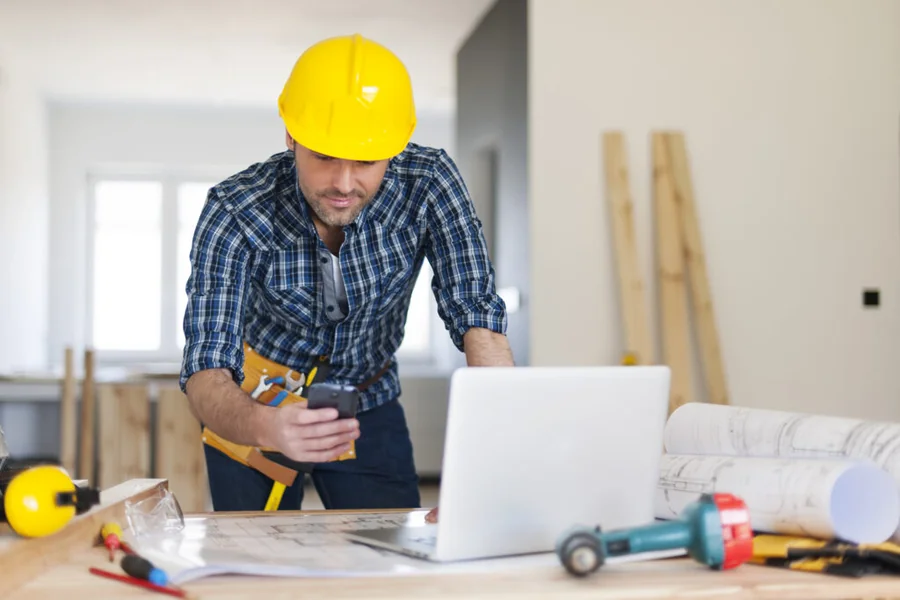
Maintenance, whether in residential spaces or on commercial worksites, is a task that demands careful planning, expertise, and cooperation. While tools and technology play a crucial role, the real backbone of successful maintenance projects lies in collaboration. From homeowners coordinating with contractors to large construction teams managing complex machinery, effective teamwork ensures that maintenance runs smoothly, safely, and efficiently.
The Importance of Clear Communication
One of the most common pitfalls in maintenance projects is miscommunication. Whether it’s a minor repair in a kitchen or major structural work on a construction site, unclear instructions or assumptions can lead to costly mistakes. Collaboration begins with open, clear communication among all parties involved. Homeowners need to explain their expectations, while service providers must outline timelines, costs, and potential challenges. On worksites, team members should have regular briefings to ensure everyone is aligned. Clear communication reduces confusion, prevents delays, and fosters trust between all stakeholders.
Leveraging Expertise Through Teamwork
No single individual can be an expert in every aspect of maintenance. Homeowners may understand their property better than anyone else, but professionals bring technical knowledge that is essential for safe and effective upkeep. On the other hand, worksites often involve multiple trades, including electricians, plumbers, and machinery operators. Collaboration allows each expert to contribute their specialized skills while learning from others. For instance, a plumber may work closely with a heating engineer to prevent overlapping mistakes. Recognizing and leveraging each team member’s expertise ensures tasks are completed efficiently and to a high standard.
Planning and Coordination: The Blueprint for Success
Maintenance projects, especially larger ones, require meticulous planning. A coordinated approach ensures resources are available when needed, schedules are realistic, and potential disruptions are minimized. For homeowners, this might mean scheduling repairs around daily routines or coordinating with neighbors when shared facilities are involved. For commercial projects, coordination is even more complex, often involving multiple contractors and subcontractors. By fostering collaboration, teams can anticipate challenges, share solutions, and adjust timelines proactively rather than reactively.
Safety Through Collaborative Practices
Safety is another critical factor where collaboration makes a difference. On worksites, strict adherence to safety protocols can prevent accidents, injuries, or equipment damage. When team members communicate hazards, share safety tips, and hold each other accountable, the risk of mishaps is significantly reduced. In residential maintenance, safety remains a priority as well. Even seemingly simple tasks like ladder work, electrical repairs, or chemical handling benefit from a collaborative approach, ensuring everyone is aware of risks and preventive measures.
Choosing the Right Partners
Collaboration isn’t just about teamwork; it’s about choosing the right partners. Selecting reliable contractors, suppliers, or service providers sets the tone for a successful maintenance experience. For example, companies like Alpha Rod offer specialized maintenance services and equipment, helping both residential and commercial clients achieve smooth, efficient results. Working with experienced partners ensures that projects benefit from professional insight, quality materials, and practical solutions.
Technology as a Collaboration Tool
In today’s maintenance landscape, technology enhances collaboration. Project management software, communication apps, and scheduling tools allow teams to share updates instantly, track progress, and identify issues before they escalate. Even simple tools like shared calendars or group messaging apps can streamline coordination between homeowners and service providers, or among multiple contractors on a worksite. By integrating technology into collaborative workflows, teams can increase efficiency and reduce unnecessary delays.
Summing Up
From homes to worksites, successful maintenance depends on more than just tools and skills; it depends on collaboration. Clear communication, leveraging expertise, careful planning, safety awareness, and choosing the right partners all contribute to a smooth maintenance process. By prioritizing teamwork and collaboration, maintenance projects, whether big or small, can be completed efficiently, safely, and to a high standard. Embracing collaboration transforms maintenance from a stressful task into a seamless, manageable process.
