
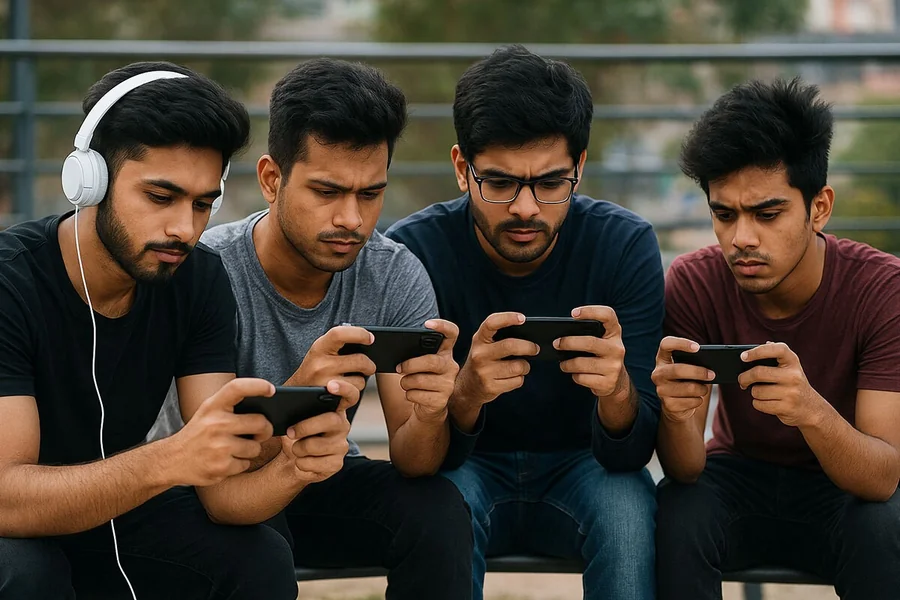
India’s gaming scene has changed dramatically over recent years, shifting from something only tech enthusiasts enjoyed to entertainment that millions embrace daily. The growth of casual competitive gaming stands out as particularly fascinating – it combines simple, approachable gameplay with genuine competitive elements that Indian players find irresistible. This evolution tells a bigger story about how technology, culture, and entertainment intersect in modern India.
Mobile Revolution Changes Everything
The explosion of affordable smartphones across India created gaming opportunities that simply didn’t exist before. When I look at the numbers, it’s staggering how quickly decent gaming phones became accessible to ordinary families. Brands like Xiaomi and Realme made powerful devices available for prices that middle-class households could actually afford.
Jio’s entry into the telecom market was a game-changer nobody saw coming. Suddenly, data costs dropped so dramatically that streaming games and downloading updates became routine rather than luxury expenses. My neighbors who never owned computers started playing online games because their phones could handle everything smoothly.
What strikes me most is how this accessibility reached rural areas where gaming cafes never existed. Farmers and small business owners discovered competitive gaming during lunch breaks or evening relaxation time. The technology gap between urban and rural gaming experiences practically disappeared overnight, creating a truly national gaming community.
Making Familiar Games Competitive
Smart developers realized that Indians responded better to digital versions of games they already knew rather than completely foreign concepts. This insight proved revolutionary because it eliminated the intimidation factor that kept many potential players away from competitive gaming platforms.
The evolution of the traditional ludo game into competitive online formats demonstrates this principle perfectly. Everyone’s grandmother knows Ludo rules, so transitioning to digital tournaments felt natural rather than overwhelming. Players could focus on strategy and competition instead of learning complicated new mechanics from scratch.
This approach was effective because it respected existing cultural knowledge while introducing exciting competitive elements. Tournament brackets, ranking systems, and prize pools transformed familiar family entertainment into genuine competitive experiences. The games remained recognizable but gained depth and excitement, keeping players returning for serious competition rather than casual fun.
Real Money Creates Real Motivation
Adding monetary rewards transformed gaming from simple entertainment into a potential income sources, which completely changed how people viewed competitive gaming. In a society where every activity gets evaluated for its productive value, cash prizes made gaming feel legitimate rather than wasteful.
Small tournaments offering achievable prizes attracted players who might never consider professional esports. Winning fifty or hundred rupees feels realistic for average players, unlike international competitions requiring full-time dedication. Even participation rewards kept people engaged while building their skills gradually.
The emphasis on skill-based competition rather than pure luck helped overcome cultural resistance to monetary gaming. Parents became more supportive when they understood that success required strategic thinking and practice rather than gambling instincts. This legitimacy factor proved essential for widespread acceptance across traditional family structures.
Gaming Becomes a Social Experience
Indian gaming platforms succeeded by recognizing that social interaction was absolutely crucial for sustained engagement. Successful games incorporated features that replicated the social aspects of offline gaming – chatting with opponents, challenging friends directly, and organizing family tournaments that brought relatives together virtually.
Team-based competitions and guild systems tapped into existing social networks perfectly. Friend groups could compete together against other teams, transforming individual gaming sessions into shared experiences that strengthened real-world relationships. These features made gaming feel like a social activity rather than isolated entertainment.
Regional competitions fostered local pride that extended beyond individual achievements. Players represented their cities or states in tournaments, generating emotional investment that kept them engaged long-term. This localized approach built a genuine community spirit that sustained participation far better than anonymous global competitions ever could.
Streamers and Influencers Build Communities
Gaming influencers created aspirational figures that made competitive success feel achievable for ordinary players. Watching YouTubers demonstrate advanced strategies helped average players improve their skills while building parasocial relationships that kept them engaged with specific games and platforms.
The creator economy attracted talented players who saw gaming as a legitimate career path rather than a hobby. Successful streamers earned money through donations, sponsorships, and brand partnerships, demonstrating that gaming skills could translate into real income opportunities.
Regional influencers proved particularly effective because they spoke local languages and understood cultural contexts that international streamers missed. When someone from your own state achieved gaming success, it felt more relatable and achievable than watching foreign professionals. These local success stories inspired widespread participation in competitive events.
Corporate Money Brings Legitimacy
Large companies realized that competitive gaming presented great marketing potential and, hence, invested heavily in tournament facilities and prizes. Paytm and Dream11-sponsored tournaments boosted the image of gaming while successfully reaching interested viewers.
Leagues built on popular leisure games, organized competition that offered aspiring players obvious routes of advancement. The leagues were profitable, yet they maintained the game’s accessibility by hosting qualifying tournaments that were open to everyone.
Brand partnerships brought mainstream credibility that helped overcome skepticism about gaming as a legitimate competitive activity. When established corporations publicly supported gaming events, it signaled cultural acceptance that encouraged broader participation across different social segments who might otherwise dismiss gaming entirely.
Government Support Creates Framework
India’s evolving government policy towards skill-based gaming has accorded major prominence to competitive gaming. Distinguishing skill games from gambling enabled true operators to operate with assurance while protecting players from exploitation.
Tournament gaming came to be regarded by a few state governments as a legitimate sporting event, at times getting official sponsorship and promotional endorsements. This legitimation served to popularize competitive gaming as dignified activity rather than shady hobby, calling upon participation from broader social ranks.
Regulatory clarity attracted international investment while protecting domestic interests. This balanced approach fostered innovation while ensuring that Indian cultural preferences remained central to platform development. The framework encouraged growth while maintaining appropriate oversight that protected players and maintained industry integrity.
Conclusion
The expansion of casual competitive gaming in India shows the way to apply universal trends successfully into localized contexts. The trend demonstrates the power of combining technological advancements with cultural obliviousness and economic prospects. With continuing developments in infrastructure and the social acceptance of competitive gaming, competitive gaming seems to be on the verge of becoming an increasingly central part of the entertainment culture of India, offering opportunities for gamers, game developers, and investors and still honoring the country’s gaming tradition through new digital innovation.
