
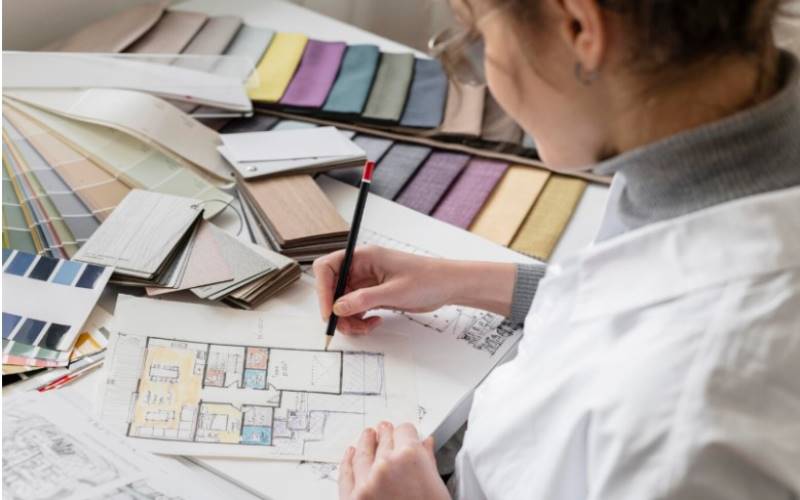
Interior design is more than just choosing paint colours or arranging furniture; it’s about creating functional, aesthetically pleasing spaces that add to the quality of life.
An interior design course equips you with the tools and knowledge needed to design with purpose and confidence. From mastering design principles to learning how to work with clients, these courses provide a structured path to success.
Below are six major benefits of enrolling in an interior design course and how it can be helpful for you both as a career and a passion.
Learn Professional Design Principles and Techniques
One of the biggest advantages of taking a formal interior design course is gaining a deep understanding of design fundamentals. You’ll learn about colour theory, spatial arrangements, lighting, textures, and balance—all essential components of interior design.
Courses also cover different styles and how to apply them, whether it’s modern minimalism, rustic charm, or traditional elegance. Understanding these principles allows you to design interiors that not only look good but also feel cohesive and functional.
Gain Technical Skills and Software Proficiency
Modern interior design goes beyond creativity. Technical know-how is just as important. Courses often include training on industry-standard software like AutoCAD, SketchUp, and Revit, which are essential for drafting floor plans and 3D models.
By learning these tools, you’ll be able to translate your ideas into visual presentations for clients and contractors. This gives you a competitive edge in the field, especially when working on large-scale or commercial projects where detailed plans are necessary.
Boost Career Opportunities
Whether you’re entering the job market or considering a career switch, an interior design course can make you more marketable. Many firms prefer or require candidates with formal training, as it demonstrates dedication and a solid foundation of knowledge.
The skills you gain can lead to various career paths, including residential interior designer, commercial designer, set designer, or even furniture and product design. Additionally, if you’re planning to start your own design business, the course will prepare you to handle both creative and operational aspects.
Improve Your Creativity and Design Confidence
Creative expression is at the heart of interior design, and formal training helps nurture and expand that creativity. You’ll be exposed to new styles, materials, and concepts that push you out of your comfort zone and encourage experimentation.
As your knowledge grows, so will your confidence. You’ll learn how to justify your design choices, communicate your vision clearly, and stand by your creative decisions when working with clients or collaborators.
Learn How to Work With Real Clients
Many interior design courses include practical assignments and mock projects that simulate real-world challenges. You’ll learn how to manage budgets, source materials, communicate with vendors, and handle client expectations, all of which are critical aspects of running a successful design project.
This real-world preparation ensures that once you start working professionally, you’re not just creatively equipped but also logistically ready. Understanding how to balance client desires with budget constraints is a skill that sets professionals apart.
